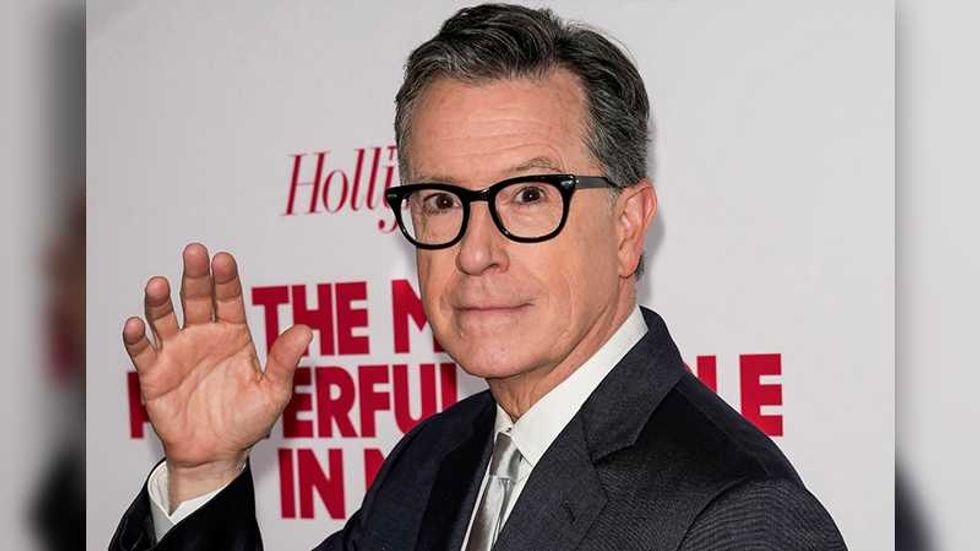
Kevin Warsh has been sworn in as the 17th chair of the Federal Reserve, replacing Jerome Powell and marking the first leadership change at the U.S. central bank since 2018.
Kevin Warsh Takes Over the Federal Reserve From Jerome Powell
The Federal Reserve announced the swearing-in on May 15, completing a transition that had been closely watched by global financial markets. Warsh, a former Fed governor who served from 2006 to 2011, replaces Powell, whose tenure spanned some of the most volatile economic conditions in recent memory.
The U.S. Senate confirmed Warsh’s nomination in a roll call vote earlier this month. The confirmation followed hearings that drew attention from both traditional finance and digital asset markets.
As Fed chair, Warsh now holds the most influential monetary policy role in the world. Decisions on interest rates, balance sheet management, and forward guidance ripple through equities, bonds, currencies, and risk assets globally.
Why Markets Are Watching Warsh’s First Signals
Investors are already positioning around expectations for how Warsh may differ from Powell on inflation and rate policy. Analysts have flagged the possibility of persistently high Treasury yields as Warsh takes on inflation, a signal that markets expect a firm stance on price stability.
Even before formal policy changes, a shift in communication tone can move markets. Powell was known for a measured, data-dependent approach to forward guidance. Any departure in language or emphasis from Warsh could reset rate expectations quickly.
Traders will be parsing Warsh’s first public remarks and any changes to the Fed’s post-meeting statements for clues on whether the current rate trajectory holds or shifts.
What a New Fed Chair Could Mean for Bitcoin and Crypto
Crypto markets tend to react sharply to changes in macro liquidity expectations. Bitcoin and other digital assets have historically moved in response to shifts in real yields, dollar strength, and risk appetite, all of which the Fed chair directly influences.
As covered ahead of the swearing-in, the crypto market’s sensitivity to Fed leadership transitions has grown alongside rising institutional participation. If Warsh maintains or tightens monetary conditions, Bitcoin traders may watch Treasury yields and the dollar index closely for directional signals.
Broader market uncertainty around the transition could also affect protocol-level activity and crypto treasury strategies, as companies managing digital asset reserves adjust to shifting rate expectations.
Meanwhile, decentralized prediction and trading platforms have seen increased volumes during periods of macro uncertainty, as highlighted by recent activity on platforms like Polymarket. The practical impact on crypto will depend on concrete policy decisions rather than the leadership change alone, with Warsh’s first scheduled press conference likely to be a key catalyst.
Disclaimer: This article is for informational purposes only and does not constitute financial or investment advice. Cryptocurrency and digital asset markets carry significant risk. Always do your own research before making decisions.