

Janjati Sanskritik Samagam and the Rise of Cultural Experience Platforms in Modern Nation Building
Why Governments Worldwide Are Investing in Large-Scale Cultural Experience Ecosystems: Lessons from Janjati Sanskritik Samagam
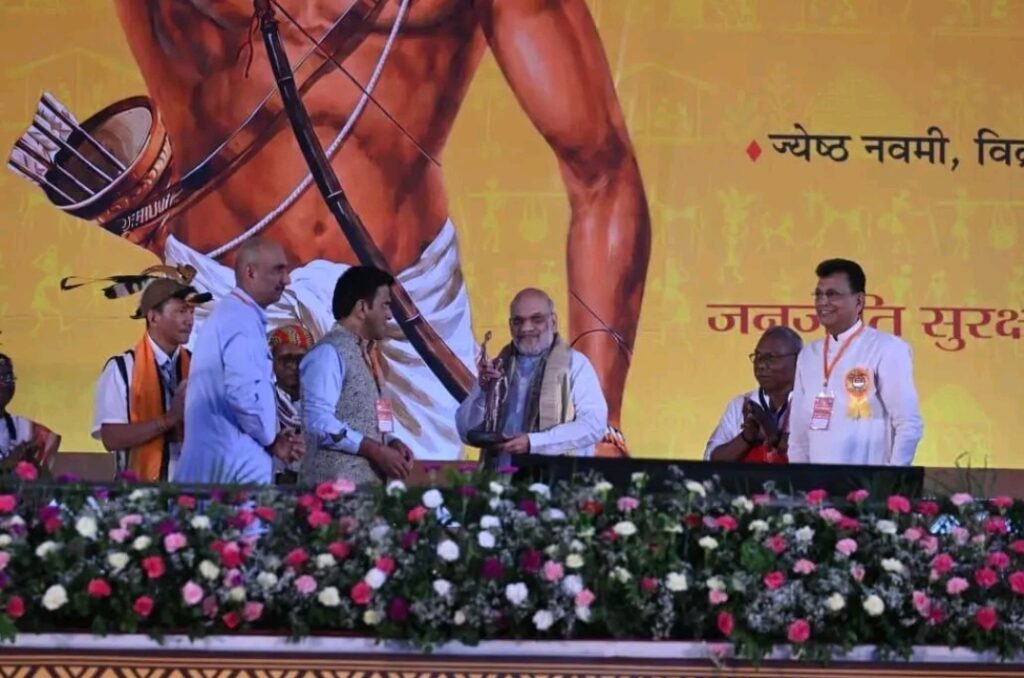
At the historic Red Fort in Delhi, the recently held Janjati Sanskritik Samagam 2026 brought together more than one lakh tribal participants representing over 500 indigenous communities from across India. On the surface, the gathering appeared to be a major cultural celebration marking the 150th birth anniversary year of tribal freedom fighter Bhagwan Birsa Munda. But beyond the scale, symbolism, and ceremonial performances, the event also reflected a broader global phenomenon: the rise of large-scale cultural experience platforms as instruments of national engagement, identity-building, and social cohesion.
Across the world, governments, institutions, and civic organizations are increasingly investing in immersive cultural gatherings that blend heritage, participation, storytelling, and public experience design. These events are no longer functioning merely as festivals or commemorations. They are becoming strategic platforms for reinforcing collective identity, showcasing inclusion, and creating emotionally resonant public narratives.
The Janjati Sanskritik Samagam offers an important India case study within this evolving trend.
From Cultural Event to Experience Ecosystem
Modern public engagement is increasingly driven not only by information, but by participation and emotional connection. In this environment, large gatherings centered around culture, heritage, and identity are evolving into sophisticated experience ecosystems.
The Janjati Sanskritik Samagam demonstrated many of the characteristics associated with modern experiential engagement design:
- mass-scale participation,
- symbolic location selection,
- immersive visual storytelling,
- live cultural performance,
- ceremonial processions,
- community representation,
- and narrative-driven public interaction.
The choice of the Red Fort as the venue added another dimension to the experience. Historically associated with national memory and political symbolism, the site transformed into a stage for indigenous representation and cultural visibility.
The event also extended beyond a single venue experience. Cultural Shobha Yatras moved through Old Delhi corridors including Ajmeri Gate, Hauz Qazi, Chawri Bazaar, and Chandni Chowk, turning public streets into active engagement spaces. Traditional attire, folk performances, tribal instruments, and ceremonial music created a city-wide participatory atmosphere rather than a contained conference environment.
This reflects a wider global shift where cultural experiences are increasingly designed as immersive, multi-location civic engagement journeys rather than isolated ceremonial functions.
The Global Rise of Cultural Experience Platforms
Governments across regions are recognizing that shared experiences often create stronger public connection than policy communication alone.
Countries are increasingly using:
- indigenous festivals,
- heritage expos,
- national cultural weeks,
- public art activations,
- ceremonial gatherings,
- and immersive history experiences
to reinforce social cohesion and cultural continuity.
In many cases, these platforms serve multiple objectives simultaneously:
- tourism promotion,
- cultural preservation,
- public diplomacy,
- intergenerational engagement,
- local economic activation,
- and identity reinforcement.
This transition mirrors broader developments in the experience economy, where emotional participation and symbolic meaning are becoming central to engagement strategies across sectors — including governance, education, tourism, and community development.
The Janjati Sanskritik Samagam reflects how this model is also becoming increasingly relevant within India’s public and cultural landscape.
Indigenous Visibility in National Narratives
One of the most significant aspects of the Janjati Sanskritik Samagam was the scale of indigenous representation placed at the center of national visibility.
Communities from states including Chhattisgarh, Jharkhand, Gujarat, Odisha, Arunachal Pradesh, Telangana, Madhya Pradesh, and Dadra & Nagar Haveli participated in the gathering. The event positioned tribal traditions, artistic expression, and cultural identity not at the margins of public discourse, but at the heart of a nationally visible civic platform.
This shift matters because cultural visibility increasingly influences how communities perceive belonging, recognition, and participation within larger national frameworks.
Around the world, indigenous and local communities are seeking stronger representation within mainstream institutional narratives. Public cultural platforms often become important spaces where historical memory, identity, and contemporary relevance intersect.
The Janjati Sanskritik Samagam highlighted this dynamic through both symbolism and participation scale.
Experience-Led Nation Building
The event also demonstrated how nation-building narratives are evolving beyond traditional political communication into experience-led public engagement.
The language surrounding the gathering consistently emphasized:
- unity through diversity,
- cultural continuity,
- civilisational heritage,
- harmony with nature,
- and collective belonging.
These themes are increasingly common in modern civic experience design because they create emotional resonance across geographically and culturally diverse populations.
Importantly, experience-led engagement often works differently from conventional institutional communication. Rather than asking audiences to passively consume information, it encourages them to participate physically, culturally, and emotionally.
The processions, performances, shared rituals, and visual spectacle of the Janjati Sanskritik Samagam transformed attendees from spectators into active contributors to a shared narrative experience.
That participatory structure is central to why such events are becoming strategically important worldwide.
Cultural Sustainability and the Indigenous Knowledge Conversation
Another notable dimension of the gathering was its repeated emphasis on nature-connected living, traditional wisdom, and cultural continuity.
Globally, indigenous knowledge systems are increasingly being revisited in conversations around:
- sustainability,
- ecological stewardship,
- biodiversity preservation,
- and community-centered living models.
As climate, resource, and sustainability challenges intensify, many societies are reassessing traditional knowledge frameworks that historically emphasized coexistence with nature.
The Janjati Sanskritik Samagam incorporated this theme through cultural symbolism and messaging around tribal traditions and environmental harmony.
This reflects a larger shift in which indigenous identity is no longer discussed solely through the lens of preservation, but also through relevance to future societal models.
Why These Platforms Matter Now
The growing investment in large-scale cultural experience ecosystems is occurring during a period of rapid technological acceleration, digital fragmentation, and social polarization.
In such environments, physical shared experiences often gain renewed importance because they create:
- collective memory,
- symbolic continuity,
- emotional participation,
- and visible community presence.
Large civic-cultural gatherings can function as counterbalances to increasingly fragmented digital interaction by reinforcing real-world social connection and cultural participation.
The Janjati Sanskritik Samagam illustrates how governments and organizations are recognizing the strategic importance of these immersive cultural ecosystems — not simply as events, but as long-term instruments of engagement, identity formation, and social cohesion.
Beyond Celebration: The Strategic Future of Cultural Engagement
The significance of the Janjati Sanskritik Samagam lies not only in its scale, but in what it signals about the future of public engagement.
As institutions worldwide search for more meaningful ways to connect communities, preserve heritage, and build collective identity, cultural experience platforms are likely to play an increasingly influential role.
The future of engagement may depend less on broadcasting narratives and more on creating environments where people can actively experience them.
In that context, the Janjati Sanskritik Samagam represents more than a cultural gathering. It reflects the emergence of experiential civic infrastructure — where participation, identity, storytelling, and cultural memory converge to shape how societies understand themselves in a rapidly changing world.
The post Janjati Sanskritik Samagam and the Rise of Cultural Experience Platforms in Modern Nation Building appeared first on CX Quest.


You May Also Like

TrapDoor Malware Targets Crypto and AI Developers in Supply Chain Attack
Here’s Why DeXe (DEXE) Price is Pumping Today

Alabama Enacts Dual Legislative Breakthrough in Blockchain and Judicial Reform



