

Iran’s Currency Crisis Triggers Protests, CEO Says Bitcoin Offers Exit
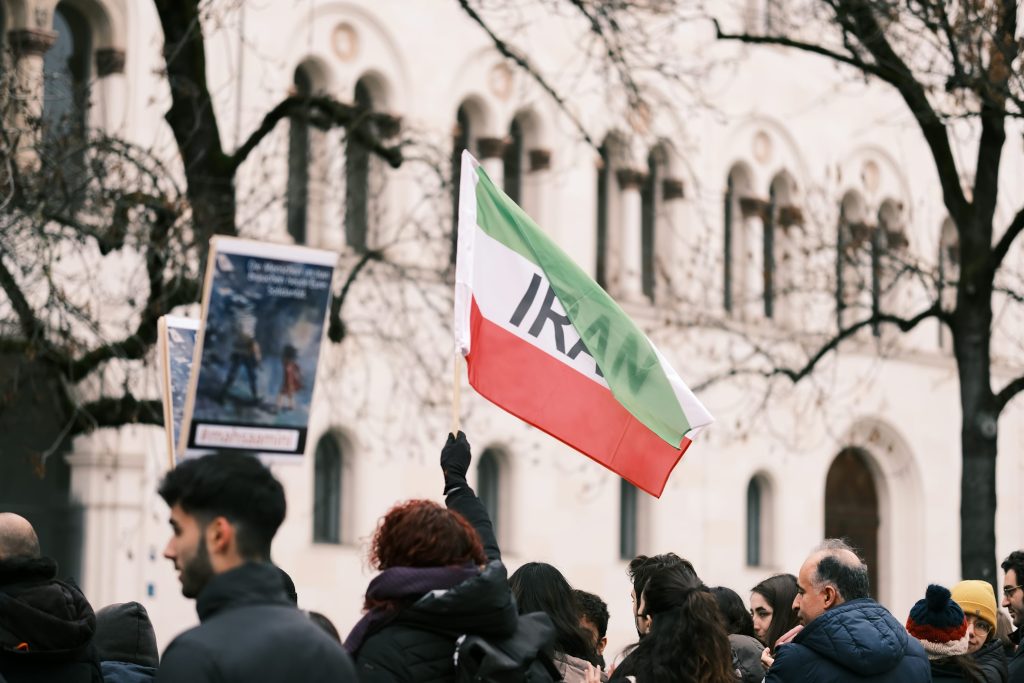
According to local reports, protests spread through Iran’s capital city Monday as the rial plunged to record lows and families watched savings shrink. The currency traded at about 1.4 million rials to the US dollar, and the rial has lost over 40% of its purchasing power since the two-week war in June. The central bank governor, Mohammad Reza Farzin, resigned amid the unrest, heightening public worry.
Crowds Close Shops As Tensions Rose
Shop owners around the Grand Bazaar and the Jomhouri shopping areas shut their doors and urged others to join them. Video on social media showed people chanting “Don’t be afraid, we are together,” while security forces used tear gas to push back groups in several districts. Reports have disclosed that many locals blame poor central bank policy for the rapid fall in value and the sudden squeeze on household finances.
Banks Face Big Stress
Banking problems have piled up on top of the currency crash. Based on reports, state-owned Bank Melli declared bankruptcy in October, putting the assets of more than 42 million Iranians at risk.
In February, the central bank warned that eight other banks could be dissolved or merged unless they made serious reforms. Sanctions that limit access to international finance and to hard currencies like the US dollar have made normal banking far harder.
And while electricity is very cheap in parts of Iran — cheap enough that mining could cost roughly $1,300 per BTC as of October — regulators have tightened rules. Reports say the government has cracked down on unregistered mining and even offered cash rewards to citizens who report neighbors running illegal rigs.
Bitcoin Framed As A ShelterAccording to Bitwise CEO Hunter Horsley, some see Bitcoin as a way to shield savings from collapsing local money. Alex Gladstein of the Human Rights Foundation pointed out that the rial’s official rate was about 70 per dollar in the early 1980s, underlining how deep the fall has been.
Still, legal limits and unclear rules on self-custody make it hard for many Iranians to move into crypto safely. Mining remains tightly controlled, and exchanges face cyber risk and regulatory pressure.
Bitcoin remains a focus for some Iranians looking to preserve wealth amid the collapsing rial and uncertain banking system. While access is limited by strict regulations and unclear rules around self-custody, experts like Bitwise CEO Hunter Horsley suggest it can serve as a store of value when local currency fails.
Featured image from Unsplash, chart from TradingView
You May Also Like

UK and US Seal $42 Billion Tech Pact Driving AI and Energy Future

XRP price set for 41% drop as holder demand battles whales
