

WTI Rises Above $95.50 as Trump Rejects Iran’s Proposal, Fueling Supply Fears
BitcoinWorld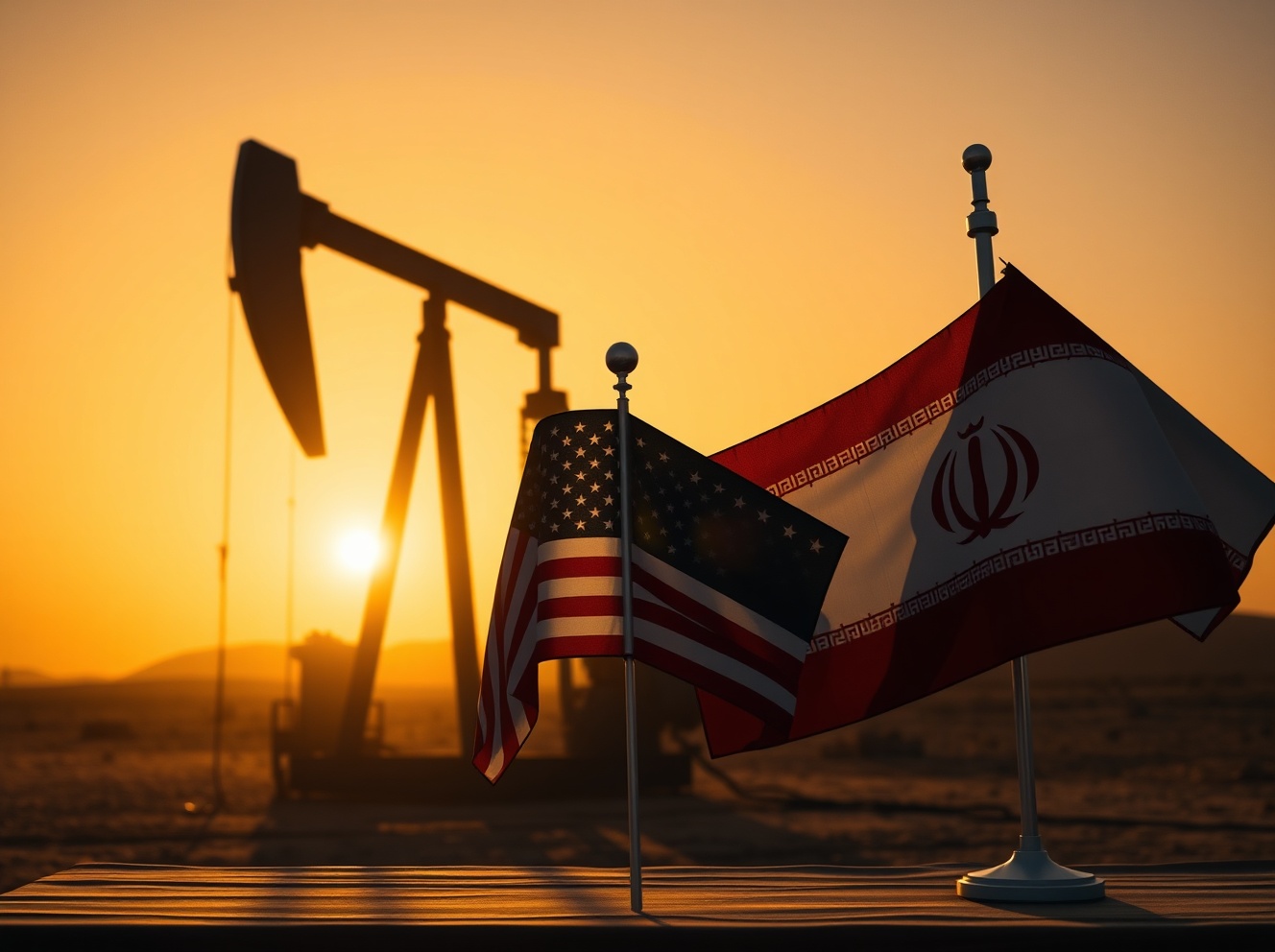
WTI Rises Above $95.50 as Trump Rejects Iran’s Proposal, Fueling Supply Fears
West Texas Intermediate (WTI) crude oil surged past $95.50 per barrel on Wednesday after U.S. President Donald Trump formally rejected a diplomatic proposal from Iran, escalating geopolitical tensions in the Middle East and reigniting fears of supply disruptions. The move marks the highest level for WTI in over a month, driven by renewed uncertainty over oil flows from the region.
Trump’s Rejection Sends Shockwaves Through Oil Markets
According to reports from diplomatic sources, Iran had put forward a framework for de-escalation and renewed nuclear negotiations. However, the White House swiftly dismissed the offer, with President Trump stating that the terms were unacceptable and that the United States would not engage in what he described as “weak diplomacy.” The rejection was seen as a hardening of the U.S. stance, increasing the likelihood of further sanctions or even military posturing in the Strait of Hormuz, a critical chokepoint for global oil shipments.
Market analysts noted that the price spike reflects not only the immediate political standoff but also the underlying fragility of global supply balances. With OPEC+ already maintaining production cuts and U.S. strategic petroleum reserves at lower levels, any disruption in the Middle East could have outsized effects on prices.
Geopolitical Premium Returns to Crude
The WTI rally above $95.50 underscores how quickly geopolitical risk can re-enter pricing models. Traders are now pricing in a “fear premium” that could persist until there is clarity on Iran’s next move. Iran has previously threatened to block the Strait of Hormuz if its oil exports are completely choked off, a scenario that would remove millions of barrels per day from the market.
Brent crude, the international benchmark, also rose sharply, trading above $100 per barrel as the news broke. The spread between WTI and Brent widened, reflecting the heavier impact on globally traded crude. Energy stocks in the U.S. and Europe gained on the day, while airline and transportation shares fell on concerns over rising fuel costs.
What This Means for Consumers and the Economy
For American drivers and businesses, the rise in WTI is a warning sign. Higher crude prices typically translate to more expensive gasoline, diesel, and jet fuel within weeks. The national average gasoline price could climb above $4 per gallon if WTI stays above $95, adding inflationary pressure at a time when the Federal Reserve is still grappling with price stability. Economists warn that sustained oil prices above $100 could slow economic growth, particularly in energy-intensive industries.
The situation also complicates the Biden administration’s energy policy, which has sought to balance domestic production with climate goals. While the U.S. is now the world’s largest oil producer, it remains vulnerable to global price shocks because crude is a globally traded commodity.
Conclusion
WTI crude oil’s rise above $95.50 is a direct market reaction to President Trump’s rejection of Iran’s diplomatic overture, injecting fresh geopolitical uncertainty into an already tight supply environment. Investors and consumers alike should brace for continued volatility as the standoff unfolds. The key question now is whether Iran will respond with further provocations or seek alternative diplomatic channels. For now, the oil market remains firmly in the grip of risk-on pricing.
FAQs
Q1: Why did WTI oil prices rise above $95.50?
WTI rose after President Trump rejected a diplomatic proposal from Iran, increasing fears of supply disruptions in the Middle East and adding a geopolitical risk premium to crude prices.
Q2: How does the Iran situation affect global oil supply?
Iran is a major OPEC producer, and any escalation could threaten the Strait of Hormuz, through which about 20% of the world’s oil passes. Even the threat of disruption can push prices higher.
Q3: Will higher oil prices impact gasoline prices?
Yes, crude oil is the main input for gasoline. If WTI stays above $95, U.S. gasoline prices are likely to rise, potentially reaching $4 per gallon or more in the coming weeks.
This post WTI Rises Above $95.50 as Trump Rejects Iran’s Proposal, Fueling Supply Fears first appeared on BitcoinWorld.


You May Also Like

EUR/GBP Exchange Rate Surges as Bank of England Rate Hike Expectations Intensify – Market Analysis

Stable Token Jumps 24.6% as Market Cap Crosses $771M: What’s Driving Volume?




