

US Dollar Index Plummets from Iran War Highs as Safe-Haven Frenzy Cools
BitcoinWorld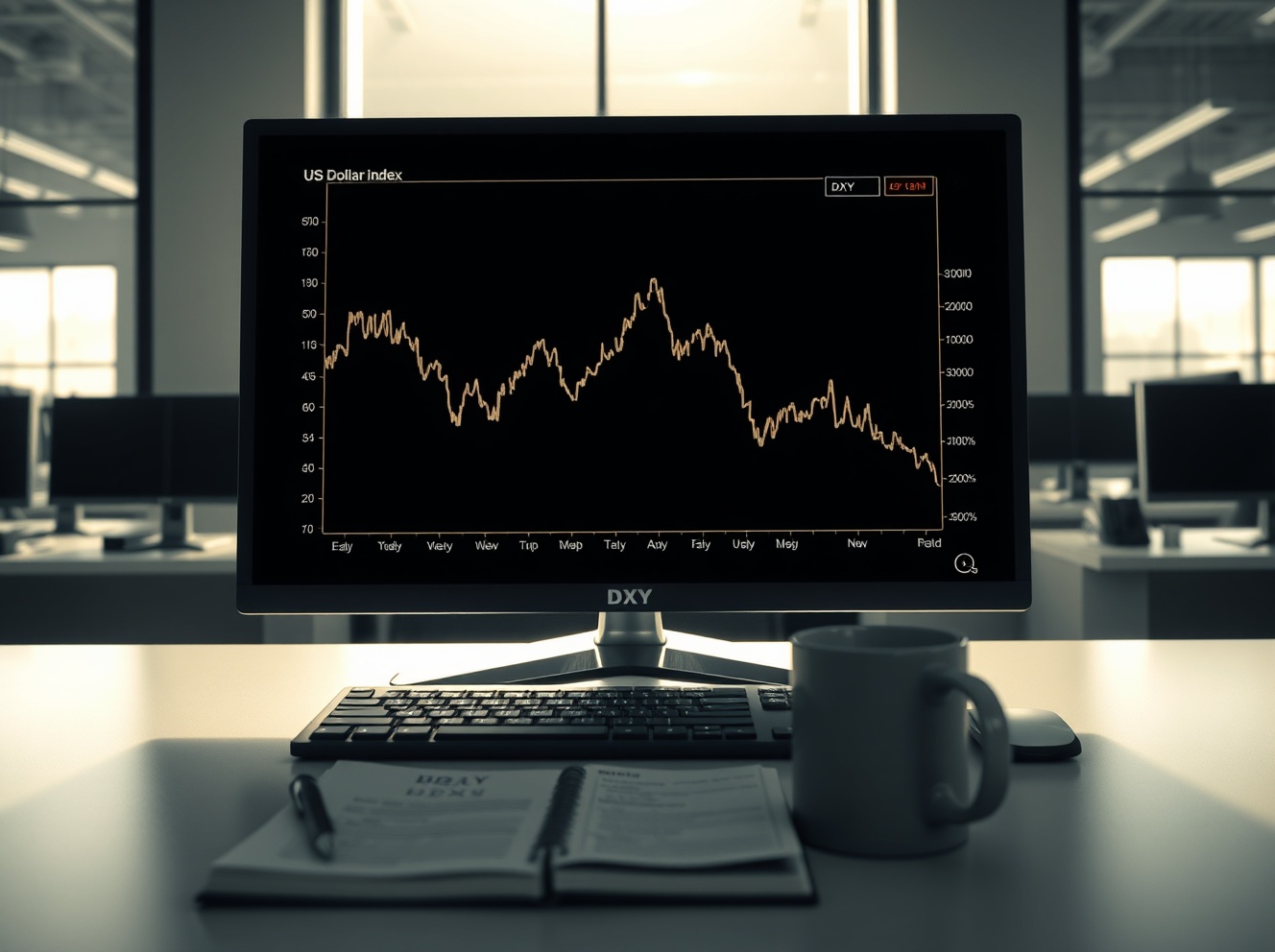
US Dollar Index Plummets from Iran War Highs as Safe-Haven Frenzy Cools
NEW YORK, March 2025 – The US Dollar Index (DXY) has retreated sharply from the multi-month highs it reached during the initial escalation of the Iran conflict, signaling a significant cooling of safe-haven demand in global currency markets. This pullback follows a period of intense volatility where investors flocked to the perceived safety of the US dollar. Consequently, market participants are now reassessing the fundamental drivers of dollar strength beyond immediate geopolitical fears. The index, which measures the dollar against a basket of six major currencies, fell to 104.50 in early trading, down from a peak above 106.20 recorded just last week.
US Dollar Index Retreats from Geopolitical Peak
The recent surge in the US Dollar Index was a classic flight-to-safety response. Initially, reports of military engagements in the Middle East triggered a swift capital movement into dollar-denominated assets. Historically, the dollar acts as a global reserve currency during periods of international tension. However, this rally proved unsustainable without broader economic support. Market analysts now point to several factors for the reversal. First, diplomatic channels have shown tentative signs of activity, reducing the perceived risk of a wider regional war. Second, underlying US economic data, while robust, has not accelerated enough to justify a persistently stronger dollar at these elevated levels. Finally, other major central banks have begun signaling a more hawkish stance, narrowing the interest rate differential that has favored the dollar.
Analyzing the Fade in Safe-Haven Demand
The fading safe-haven bid reflects a complex recalibration of market risks. Investors are distinguishing between short-term geopolitical shocks and longer-term financial stability concerns. For instance, while the Middle East situation remains fluid, it has not yet disrupted global oil supply chains to the degree initially feared. This stabilization has allowed traders to shift focus back to macroeconomic fundamentals. Furthermore, the European Central Bank and the Bank of England have recently communicated firm commitments to controlling inflation, which has provided underlying support to the euro and sterling within the DXY basket. The table below illustrates the key drivers behind the dollar’s movement:
| Driver | Impact on DXY (Initial Surge) | Impact on DXY (Current Retreat) |
|---|---|---|
| Geopolitical Risk (Iran) | Strong Positive | Moderating |
| US Treasury Yields | Supportive | Stabilizing |
| Relative Central Bank Policy | Highly Favorable | Less Favorable |
| Global Risk Sentiment | Extreme Risk-Off | Cautious Stabilization |
Expert Insight on Market Psychology
Financial strategists note that safe-haven flows are often reflexive but transient. “Markets typically price in the worst-case scenario within the first 48 hours of a crisis,” explains a senior currency analyst at a major investment bank. “The subsequent price action depends on whether the situation escalates or finds a plateau. The DXY retreat suggests the market is betting on the latter, for now. The key levels to watch are the technical supports around 104.00 and 103.50.” This analysis is supported by futures market data, which shows a reduction in net long dollar positions held by speculative traders after a rapid buildup. The moderation in demand is not isolated to forex; gold prices have also pulled back from their crisis highs, confirming a broader easing of defensive positioning across asset classes.
Broader Context and Currency Market Impacts
The DXY’s retreat has immediate implications for other financial markets and the global economy. A softer dollar provides relief to emerging market economies burdened by dollar-denominated debt. It also makes US exports less competitive but boosts the earnings of American multinational corporations when overseas revenue is converted back into dollars. Within the index itself, the euro (EUR/USD) and the Japanese yen (USD/JPY) have been primary beneficiaries of the dollar’s pullback. The yen, in particular, is experiencing a corrective rally after being heavily sold as a funding currency during the risk-off period. This dynamic highlights the interconnected nature of modern currency markets, where a shift in one major pair reverberates across all others. The current environment underscores several critical points for traders and economists:
- Geopolitical Premiums Are Fleeting: Currency values driven purely by fear often reverse quickly.
- Fundamentals Ultimately Prevail: Interest rate differentials and growth outlooks reassert themselves.
- Central Bank Policy Remains Key: The Federal Reserve’s upcoming decisions will be the next major catalyst.
Conclusion
The US Dollar Index has clearly stepped back from its Iran war highs as the initial safe-haven frenzy subsides. This movement illustrates the temporary nature of geopolitically-driven market moves and the enduring importance of economic fundamentals. While the situation in the Middle East remains a critical watch point, currency traders have begun to refocus on upcoming inflation data, employment reports, and central bank communications. The path forward for the DXY will likely depend more on these domestic indicators than on headlines from the conflict zone, unless the situation dramatically escalates once again. The retreat from the highs marks a return to a more nuanced, data-dependent trading environment for the world’s primary reserve currency.
FAQs
Q1: What is the US Dollar Index (DXY)?
The US Dollar Index is a measure of the value of the United States dollar relative to a basket of six major world currencies: the euro, Japanese yen, British pound, Canadian dollar, Swedish krona, and Swiss franc. It provides a general indicator of the dollar’s international strength.
Q2: Why does the dollar often strengthen during geopolitical crises?
The US dollar is considered the world’s primary reserve currency and a traditional safe-haven asset. During global uncertainty, international investors often buy US Treasury bonds and other dollar assets, seeking stability and liquidity, which increases demand for the currency.
Q3: What caused the DXY to retreat from its recent highs?
The retreat was driven by a combination of factors: a perceived stabilization in the Iran conflict reducing immediate fear, a recalibration of expectations for US interest rates, and a slight firming in the monetary policy outlook for other major economies like the Eurozone.
Q4: How does a weaker US Dollar Index affect the average American?
A weaker dollar can make imported goods more expensive, contributing to inflation. However, it can also make US exports cheaper for foreign buyers, potentially boosting manufacturing and agricultural sectors. It also increases the value of overseas investments for US residents.
Q5: Could the DXY surge again if the Iran conflict worsens?
Yes, absolutely. If the geopolitical situation were to escalate significantly, triggering a new wave of global risk aversion, the flight-to-safety dynamic would likely re-emerge. This could rapidly reverse the current retreat and push the index back toward or above its recent highs.
This post US Dollar Index Plummets from Iran War Highs as Safe-Haven Frenzy Cools first appeared on BitcoinWorld.
You May Also Like

Franklin Templeton CEO Dismisses 50bps Rate Cut Ahead FOMC

Strategy leans on STRC to accelerate Bitcoin buying in 2026
