THE Commission on Audit (CoA) has submitted four more fraud audit reports to the Independent Commission for Infrastructure (ICI), uncovering more than P325 millionTHE Commission on Audit (CoA) has submitted four more fraud audit reports to the Independent Commission for Infrastructure (ICI), uncovering more than P325 million

CoA flags P325M in missing Bulacan flood structures

THE Commission on Audit (CoA) has submitted four more fraud audit reports to the Independent Commission for Infrastructure (ICI), uncovering more than P325 million in Bulacan flood control projects where structures were missing or built outside approved locations.

In a statement dated Jan. 16 and released on Tuesday, the state auditor cited “systemic misuse of public funds” within the Department of Public Works and Highways (DPWH) Bulacan 1st District Engineering Office.

The findings pointed to “ghost projects,” unauthorized site relocations and payments for infrastructure that predated contracts.

CoA said DPWH representatives directed inspectors to locations different from approved plans “without any approved revised plans or written authority to justify the relocation,” violating procurement and contract rules.

Auditors used drone surveillance and historical satellite imagery to expose irregularities in contracts awarded to Wawao Builders and Darcy and Anna Builders & Trading across four municipalities from July 2022 to May 2025.

In Malolos City, a P74.1-million riverbank protection project in the village of Babatnin was flagged after satellite data showed the structure existed nearly a year before the contract.

In Hagonoy, a P77.2-million project was declared 100% complete, though the structure was found roughly 694 meters from the approved site. In Guiguinto, a P96.5-million project showed discrepancies in length and cross-sections, which CoA said “seriously undermine the credibility of reported accomplishments and payments made.”

The audits follow an August 2025 directive from CoA Chairman Gamaliel A. Cordoba to address public concerns over ghost projects and corruption in critical infrastructure.

A total of 18 people — including district engineers, project engineers, section chiefs and representatives from the two construction firms — were named as potentially liable and could face graft, malversation and falsification charges.

President Ferdinand R. Marcos, Jr. has yet to decide the future of the ICI, the fact-finding body reviewing the projects, according to Malacañang.

“For now, and as the President has also said, it still depends on the work done, and it needs to be seen how far the ICI has gone in their tasks,” Palace Press Officer Clarissa A. Castro told a news briefing.

The ICI, established through Executive Order No. 94 in September, has only its chairman, Andres B. Reyes, Jr., remaining after two commissioners resigned last year, citing completed work.

Ms. Castro said if the body were dissolved, the Office of the Ombudsman and Department of Justice would continue the investigation.

President Marcos said last week that the commission is “coming toward the end” of its run. He noted that new appointments would depend on whether further work is needed.

The Bulacan flood control scandal, which has drawn public outrage, involves billions of pesos in alleged kickbacks by government officials and contractors.

The climate-vulnerable country has long struggled to protect communities from floods despite repeated infrastructure spending.

Mr. Marcos first flagged the collusion in his July 2025 State of the Nation address and established the ICI to investigate and eventually refer cases to the courts. — Chloe Mari A. Hufana

Market Opportunity
Alliance Games Logo
Alliance Games Price(COA)
$0.0024
$0.0024$0.0024
0.00%
USD
Alliance Games (COA) Live Price Chart
Disclaimer: The articles reposted on this site are sourced from public platforms and are provided for informational purposes only. They do not necessarily reflect the views of MEXC. All rights remain with the original authors. If you believe any content infringes on third-party rights, please contact service@support.mexc.com for removal. MEXC makes no guarantees regarding the accuracy, completeness, or timeliness of the content and is not responsible for any actions taken based on the information provided. The content does not constitute financial, legal, or other professional advice, nor should it be considered a recommendation or endorsement by MEXC.

You May Also Like

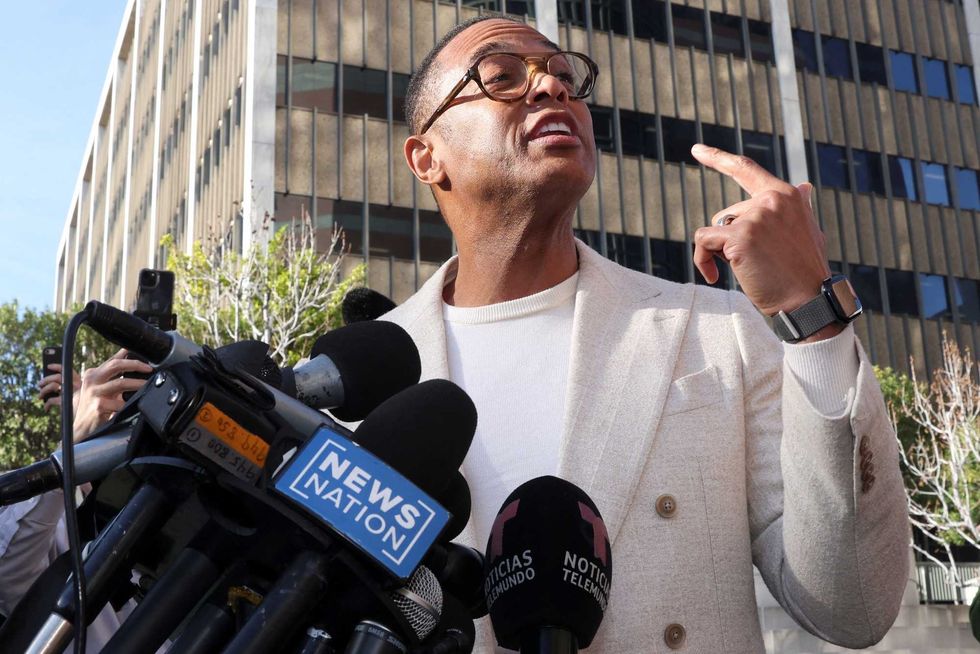
Red state gov candidate claims Don Lemon 'lucky' he wasn't lynched

Red state gov candidate claims Don Lemon 'lucky' he wasn't lynched

Journalist Don Lemon's arrest and indictment by the Trump administration promoted howls of outrage from press figures around the country on Friday — but as far
Share
Rawstory2026/01/31 10:44
The GENIUS Act Is Already Law. Banks Shouldn’t Try to Rewrite It Now

The GENIUS Act Is Already Law. Banks Shouldn’t Try to Rewrite It Now

The post The GENIUS Act Is Already Law. Banks Shouldn’t Try to Rewrite It Now appeared on BitcoinEthereumNews.com. Healthy competition drives innovation and better products for consumers; it is at the center of American economic leadership. Unfortunately, now that the bipartisan GENIUS Act has been signed into law, major legacy financial institutions seem to be having second thoughts about the innovations that stablecoins can bring to financial markets. Bank lobbying groups and public affairs teams have been peppering Congress with complaints about the law, urging members to reopen debate and introduce changes to the legislation that will ensure the stablecoin market doesn’t grow too quickly, protecting banks’ profits and stifling consumer choice. This reactionary response is both overblown and unnecessary. What legacy financial firms should do instead is embrace competition and offer exciting new products and services that consumers want, not try to kneecap emerging players through anti-innovation rules and regulations. The GENIUS Act was carefully designed with a thorough bipartisan process to strengthen consumer safeguards, ensure regulatory oversight, and preserve financial stability. Efforts to roll back its provisions are less about protecting families and more about protecting entrenched banking interests from the competition that helps ensure the U.S. banking system stays the strongest and most innovative in the world. Critics warn that allowing stablecoins to provide rewards could lead to massive deposit outflows from community banks, with figures as high as $6.6 trillion cited. But closer examination shows this fear is unfounded. A July 2025 analysis by consulting firm Charles River Associates found no statistically significant relationship between stablecoin adoption and community bank deposit outflows. In fact, the overwhelming majority of stablecoin reserves remain in the traditional financial system — either in commercial bank accounts or in short-term Treasuries — where they continue to support liquidity and credit in the broader U.S. economy. The dire estimates rely on unrealistic assumptions that every dollar of stablecoin issuance permanently…
Share
BitcoinEthereumNews2025/09/18 09:39
Tumbling market sets giants into ‘plunge protection’ mode: Crypto Daybook Americas

Tumbling market sets giants into ‘plunge protection’ mode: Crypto Daybook Americas

The post Tumbling market sets giants into ‘plunge protection’ mode: Crypto Daybook Americas appeared on BitcoinEthereumNews.com. :Crypto Daybook Americas By Omkar
Share
BitcoinEthereumNews2026/01/31 10:18