It’s bonkers out there. Every day, a new Generative AI (GenAI) product drops or a platform emerges. It’s an unrelenting, turbo charged tornado of information – It’s bonkers out there. Every day, a new Generative AI (GenAI) product drops or a platform emerges. It’s an unrelenting, turbo charged tornado of information – 

Putting a foot on the ball: making sense of the GenAI revolution

It’s bonkers out there. Every day, a new Generative AI (GenAI) product drops or a platform emerges. It’s an unrelenting, turbo charged tornado of information – some of it jaw-dropping, some of it downright f*&k-me unbelievable. 

I sometimes compare the GenAI revolution to the Covid pandemic: one minute, we were finding it weird seeing masked people queuing in Milan; the next, we were watching televised football games in empty stadiums and pretending strangers were family so we could walk to the one open shop together. The abnormal very quickly became normal. 

If you’d told me in 2022 that we could turn a simple idea, a few text prompts, and an AI workflow into a finished video, I’d have given the same puzzled look I gave the Milanese queuers. Now, the GenAI-empowered me challenges our tech teams that close to anything should now be possible if we (er, they) really think about it. It’s become normal to manipulate an actor’s movements so they don’t need to come back to set – or to have our language team convert my Geordie twang to Spanish and still sound like me. We’re generating AI hatches in machine-learned fences and happily creating virtual pubs in our gardens like we’ve been doing it all of our lives. 

And while I’ve been sitting thinking about writing this (for way too long – should have gone to ChatGPT), doubtless many, many more niche – but potentially vital tools that could improve us and allow us to better serve clients creatively, or through improved efficiencies – will have dropped, somewhere. With so much going on, freezing with fear would be the easy reaction. But, I’m sorry, you can’t – you simply have to give something a go. 

The biggest learning we’ve taken so far is that you need to be comfortable with a flexible process which can deal with periodic failure, safely. We started off a bit rogue, but now we’re established and so every new tool needs to pass health checks before it enters our workflow. And when it does, it slots into a system that can pivot instantly should we find an issue, or if a client hasn’t whitelisted the tech … and we’re then able to carry on close to unhindered. We’ve found that flexibility, agility and a fair bit of “f*&k it, let’s do it”, is the only way to go. 

As this can’t just be a stream of consciousness – it needs something useful too – here’s how we approach our process (caveat: currently). 

Ingesting new GenAI platforms into a well-oiled machine

We start with monitoring the chatter – and there is a LOT of it. We have a bunch of gloriously nerdy creative tech guys and gals, who follow the online chat like they’re back in their games of world of warcraft. One thing I’ve seen work well is having a shared tech/GenAI radar; a simple way to track the tools which you are looking at, considering and have in play. It avoids duplication, keeps things consistent, and helps us learn from each other’s successes. Our teams read through a lot of stuff – and as new things start to break through, they turn up asking for budget. 

We will then follow a streamlined, repeatable approach: discover, trial, test and adopt.   

Discovery & Validation 

Once you’ve looked through your various options, identify the two or three GenAI tools you want to trial, ensure they will add value to your workflows, and run some trials to test against real use cases. 

Test, test, test  

You have to be clear what you want the platform to do – and then make sure you test it for exactly that. You then have to be willing to make time for your teams to play. We have run a lot of dual processes over the last 18 months, where we run a project traditionally like we’ve always done, plus, at the same time trying it through a platform. This somewhat stresses the ops and finance teams at first, but they’re happier now as we’ve started to get into a more steady rhythm.   

Secure & Approve 

In parallel you have to make IT and Legal your friend. They already had a tough job and now you are asking them to embrace very new, nascent technology and so they’ll be uncomfortable. Bring them in and work with them through the many compliance check points, while keeping the process lean and focused. We’re part of a bigger group, so the hard part starts once we’re ready to adopt; IT and legal are (rightly) probably our greatest challenge to ensuring security and compliance without unnecessary bureaucracy. I should add here that we have learned to work together very well and now have a process that balances innovation with safety, enabling quickly and effectively integration of AI solutions.  

Adopt & Scale 

Ensure you understand how the platform makes its money – and so what kind of monthly charges you will be getting. I would recommend you multiply this a bit in the first few months as people inevitably play with what will be a fun new tool.   

Change your processes to suit  

I think one of our greatest early learnings was we can’t just jam GenAI into an existing, traditional process. The adoption of GenAI has brought so many ‘I never thought of that’ challenges to our makers, our business affairs and indeed, our lawyers. Your processes will change – so you have to be flexible enough to allow them to do so without breaking down. 

Be flexible – and willing to fail 

As said above, you must have a process which is strong enough to back a few nonstarters. What’s clear to me now is you can’t just back one platform: depending on your goal, some are better than others. Some are brilliant at visualizing people, others at landscapes or room sets, and some are better for authentic movement or replicating products. Indeed, one of the first real challenges we hit was how poorly AI recreated branded products. Prompt for a perfume bottle and it would give it a good go, but there were always inaccuracies – and in a branding business, that’s a bloody big problem.  

So, once we started mastering the art of the prompt, a lot of our R&D shifted to figuring out how to ingest digital twins and control how they sit within an AI created environment. That way, we could manage the true likeness of a product whilst designing the space around it. Like most things, the best way to capitalise on the GenAI revolution is to stay agile, flexible, and crucially agnostic – switching models in and out to orchestrate the best tools for the job. One size definitely does not fit all. 

Thankfully, the majority of established platforms aren’t standing still – they’re all working hard to improve their output. Some are becoming more versatile, good enough for most tasks, and I can imagine there will be winners where a generalist ‘good enough’ is acceptable for certain types of businesses. And when it isn’t, that’s where they’ll need a business like ours to do the creative problem-solving which bridges the gap (NB other brands and products are available). 

I will end with this; adopting GenAI can be intimidating, and sadly there are way more bullsh*tters than experts out there, so it’s tempting to keep your head down or bury it completely. However, I would urge you to at some point, just put your foot on the ball, take a look around and then have a go. My business has now repeated this process a few times and I’d say we’ve won enough to feel like we’re experts – but we’ve also burnt ourselves enough.  I can confirm it still really hurts when you do, but, you know what? We’re getting way better at dealing with it and for sure, we’ll keep doing it…things are moving incredibly quickly and so we have to.   

Market Opportunity
Sleepless AI Logo
Sleepless AI Price(AI)
$0,03769
$0,03769$0,03769
+2,95%
USD
Sleepless AI (AI) Live Price Chart
Disclaimer: The articles reposted on this site are sourced from public platforms and are provided for informational purposes only. They do not necessarily reflect the views of MEXC. All rights remain with the original authors. If you believe any content infringes on third-party rights, please contact service@support.mexc.com for removal. MEXC makes no guarantees regarding the accuracy, completeness, or timeliness of the content and is not responsible for any actions taken based on the information provided. The content does not constitute financial, legal, or other professional advice, nor should it be considered a recommendation or endorsement by MEXC.

You May Also Like

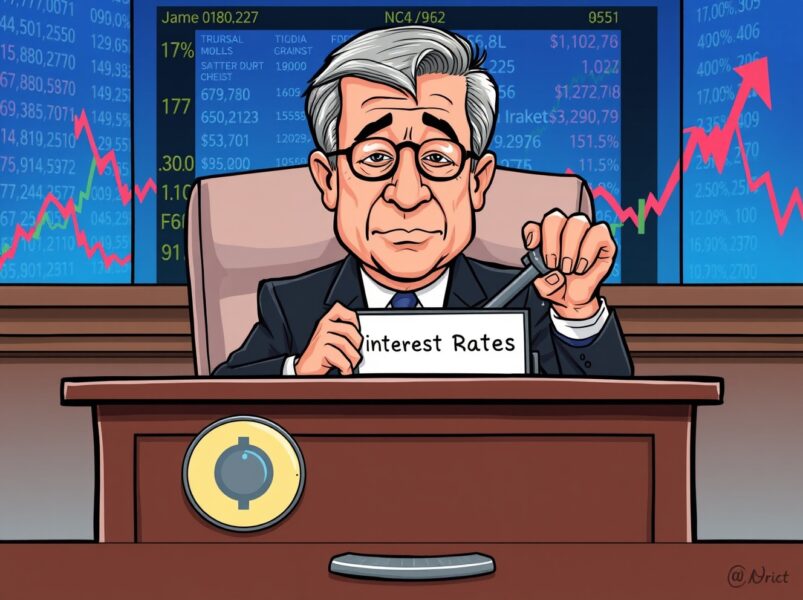
Crucial Fed Rate Cut: Powell’s Bold Risk Management Move Explained

Crucial Fed Rate Cut: Powell’s Bold Risk Management Move Explained

BitcoinWorld Crucial Fed Rate Cut: Powell’s Bold Risk Management Move Explained In a significant development for global financial markets, Federal Reserve Chair Jerome Powell recently described the latest Fed rate cut as a critical risk management measure. This statement immediately captured the attention of investors, economists, and especially those in the dynamic cryptocurrency space. Understanding Powell’s rationale and the potential implications of this move is essential for navigating today’s complex economic landscape. What Exactly is a Fed Rate Cut and Why Does it Matter? A Fed rate cut refers to the Federal Reserve lowering the target range for the federal funds rate. This is the interest rate at which commercial banks borrow and lend their excess reserves to each other overnight. When the Fed lowers this rate, it typically makes borrowing cheaper across the entire economy. This decision impacts everything from mortgage rates to business loans. The Fed uses interest rates as a primary tool to influence economic activity, aiming to achieve maximum employment and stable prices. A lower rate often stimulates spending and investment, but it can also signal concerns about economic slowdown. Key reasons for a rate cut often include: Slowing economic growth or recession fears. Low inflation or deflationary pressures. Global economic instability impacting domestic markets. A desire to provide more liquidity to the financial system. Powell’s emphasis on ‘risk management’ suggests a proactive approach. The Fed is not just reacting to current data but also anticipating potential future challenges. They are essentially trying to prevent a worse economic outcome by adjusting policy now. How Does a Fed Rate Cut Influence the Broader Economy? When the Federal Reserve implements a Fed rate cut, it sends ripples throughout the financial world. For traditional markets, lower interest rates generally mean: Boost for Stocks: Companies can borrow more cheaply, potentially increasing profits and stock valuations. Investors might also move money from lower-yielding bonds into equities. Cheaper Borrowing: Consumers and businesses enjoy lower rates on loans, from mortgages to credit cards, encouraging spending and investment. Weaker Dollar: Lower rates can make a country’s currency less attractive to foreign investors, potentially leading to a weaker dollar. Bond Market Shifts: Existing bonds with higher yields become more attractive, while newly issued bonds will have lower yields. This shift in monetary policy aims to inject confidence and liquidity into the system, countering potential economic headwinds. However, there’s always a delicate balance to strike, as too much stimulus can lead to inflationary pressures down the line. What Does This Fed Rate Cut Mean for Cryptocurrency Investors? The impact of a Fed rate cut on the cryptocurrency market is often a topic of intense discussion. While crypto assets operate independently of central banks, they are not immune to broader macroeconomic forces. Here’s how a rate cut can play out: Increased Risk Appetite: With traditional savings and bond yields potentially lower, investors might seek higher returns in riskier assets, including cryptocurrencies like Bitcoin and Ethereum. Inflation Hedge Narrative: Some view cryptocurrencies, particularly Bitcoin, as a hedge against inflation and traditional currency debasement. If a rate cut leads to concerns about inflation, this narrative could gain traction. Liquidity Influx: A more accommodative monetary policy can increase overall liquidity in the financial system, some of which may flow into digital assets. Dollar Weakness: A weaker dollar, a potential consequence of rate cuts, can sometimes make dollar-denominated assets like crypto more appealing to international investors. However, it’s crucial to remember that the crypto market also has its unique drivers, including technological developments, regulatory news, and market sentiment. While a Fed rate cut can provide a tailwind, it’s not the sole determinant of crypto performance. Navigating the New Landscape: Actionable Insights for Crypto Investors Given the Federal Reserve’s stance on risk management through a Fed rate cut, what steps can crypto investors consider? Stay Informed: Keep a close watch on further Fed announcements and economic data. Understanding the broader macroeconomic picture is vital. Diversify Your Portfolio: While a rate cut might favor risk assets, a balanced portfolio that includes a mix of traditional and digital assets can help mitigate volatility. Long-Term Perspective: Focus on the fundamental value and long-term potential of your chosen cryptocurrencies rather than short-term fluctuations driven by macro news. Assess Risk Tolerance: Re-evaluate your personal risk tolerance in light of potential market shifts. Lower rates can encourage speculation, but prudence remains key. Powell’s description of the Fed rate cut as a risk management measure highlights the central bank’s commitment to maintaining economic stability. For cryptocurrency enthusiasts, this move underscores the increasing interconnectedness of traditional finance and the digital asset world. While a rate cut can create opportunities, a thoughtful and informed approach is always the best strategy. Frequently Asked Questions (FAQs) What exactly is a Fed rate cut? A Fed rate cut is when the Federal Reserve lowers its target for the federal funds rate, which is the benchmark interest rate banks charge each other for overnight lending. This action makes borrowing cheaper across the economy, aiming to stimulate economic activity. Why did Powell emphasize “risk management” for this Fed rate cut? Jerome Powell emphasized “risk management” to indicate that the Fed was proactively addressing potential economic slowdowns or other future challenges. It suggests a preventative measure to safeguard against adverse economic conditions rather than merely reacting to existing problems. How does a Fed rate cut typically affect the crypto market? A Fed rate cut can make traditional investments less attractive due to lower yields, potentially driving investors towards higher-risk, higher-reward assets like cryptocurrencies. It can also increase overall market liquidity and strengthen the narrative of crypto as an inflation hedge. Should crypto investors change their strategy after a rate cut? While a rate cut can influence market dynamics, crypto investors should primarily focus on their long-term strategy, fundamental research, and risk tolerance. It’s wise to stay informed about macroeconomic trends but avoid making impulsive decisions based solely on a single policy change. What are the potential downsides of a Fed rate cut? Potential downsides include increased inflationary pressures if the economy overheats, a weaker national currency, and the possibility of creating asset bubbles as investors chase higher returns in riskier markets. It can also signal underlying concerns about economic health. Did you find this article insightful? Share your thoughts and help others understand the implications of the Fed’s latest move! Follow us on social media for more real-time updates and expert analysis. To learn more about the latest crypto market trends, explore our article on key developments shaping Bitcoin’s price action. This post Crucial Fed Rate Cut: Powell’s Bold Risk Management Move Explained first appeared on BitcoinWorld.
Share
Coinstats2025/09/18 16:40
Motive Files Registration Statement for Proposed Initial Public Offering

Motive Files Registration Statement for Proposed Initial Public Offering

SAN FRANCISCO–(BUSINESS WIRE)–Motive Technologies, Inc., the AI platform for physical operations, today announced that it has filed a registration statement on
Share
AI Journal2025/12/24 07:00
New Gold Protocol's NGP token was exploited and attacked, resulting in a loss of approximately $2 million.

New Gold Protocol's NGP token was exploited and attacked, resulting in a loss of approximately $2 million.

PANews reported on September 18th that according to Paidun monitoring, New Gold Protocol's NGP token was exploited in an attack, resulting in a loss of approximately $2 million. The NGP token plummeted 88% in an hour, and the attacker deposited the stolen funds (443.8 ETH) into TornadoCash.
Share
PANews2025/09/18 11:10