

Iran Nuclear Deal ‘Very Close, Yet Very Far,’ Tehran Says, Blaming US for Shifting Stance
BitcoinWorld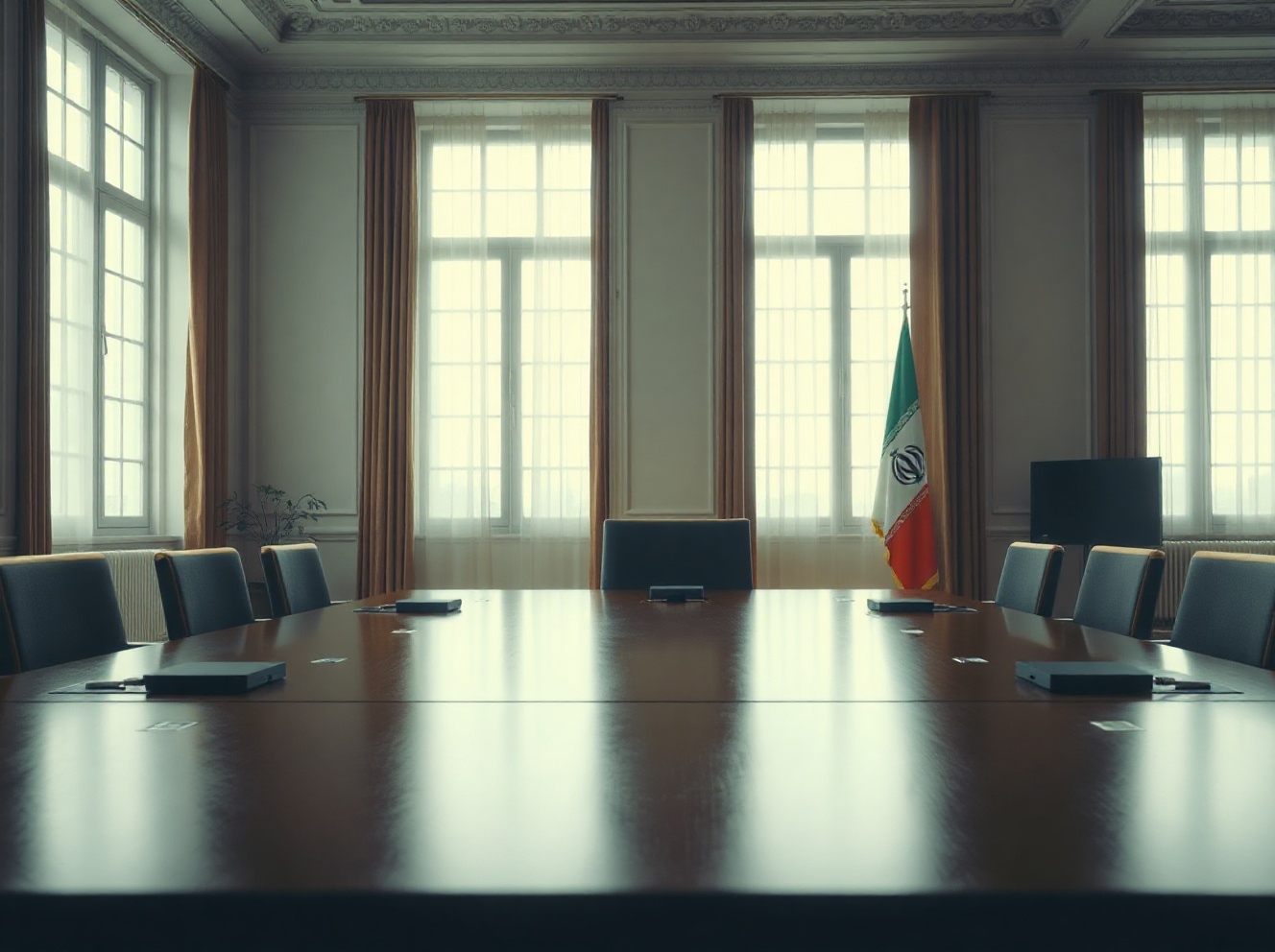
Iran Nuclear Deal ‘Very Close, Yet Very Far,’ Tehran Says, Blaming US for Shifting Stance
Iran’s Foreign Ministry signaled on Monday that a renewed nuclear agreement remains tantalizingly within reach yet frustratingly elusive, with a spokesperson describing the status of talks as “very far, yet very close.” The comments, reported by Iranian state television, place the blame squarely on the United States, accusing American officials of constantly shifting their negotiating positions.
Stalemate After Months of Indirect Talks
The latest remarks from Tehran come after months of indirect negotiations mediated by European and Gulf officials, aimed at reviving the 2015 Joint Comprehensive Plan of Action (JCPOA). The original deal, which limited Iran’s uranium enrichment in exchange for sanctions relief, has been in tatters since the US unilaterally withdrew in 2018 under the Trump administration. Subsequent attempts to restore the pact under President Joe Biden have stalled repeatedly over issues such as the scope of sanctions relief, Iran’s ballistic missile program, and inspections of nuclear sites.
Iran’s chief negotiator has previously stated that the “main obstacles” remain in the political will of Washington. Monday’s statement reinforces that narrative, suggesting that while technical frameworks for a deal have been largely agreed upon, political shifts in the US are preventing a final sign-off.
US Position: A Moving Target?
The accusation that the US is “constantly changing its positions” is not new. Iranian officials have repeatedly claimed that Washington introduces new demands or reinterprets existing ones during each round of talks. US officials, for their part, have countered that Iran has made maximalist demands and has continued to expand its nuclear program, enriching uranium to 60% purity—a level close to weapons-grade—which erodes the time needed to produce a bomb.
“The window for diplomacy is not infinite,” a US State Department spokesperson said last week, reiterating that Iran must return to full compliance with the JCPOA before significant sanctions relief can be granted.
Why This Matters for Global Markets and Security
The fate of the nuclear deal carries significant implications beyond diplomacy. A successful agreement could unlock billions of dollars in Iranian oil exports, potentially lowering global energy prices and easing supply chain pressures. Conversely, a collapse of talks increases the risk of further escalation, including Iranian nuclear brinkmanship and potential Israeli military strikes against Iranian facilities.
For international businesses and investors, the outcome determines whether Iran can re-enter global trade and banking systems. For the broader Middle East, a deal could reduce regional tensions, while failure could trigger a new arms race or conflict.
Conclusion
Iran’s characterization of the nuclear talks as “very close, yet very far” captures the paradoxical state of negotiations: a technical framework exists, but political trust does not. With enrichment levels rising and diplomatic patience thinning, the coming weeks may determine whether the deal is revived or abandoned for good. Readers should watch for signals from both Tehran and Washington regarding next steps, as the status quo becomes increasingly unsustainable.
FAQs
Q1: What is the current status of the Iran nuclear deal?
The deal is not in effect. The US withdrew in 2018, and Iran has since exceeded enrichment limits. Indirect talks have been ongoing but have not produced a final agreement.
Q2: Why does Iran say the US is shifting its position?
Iran claims that the US introduces new demands or changes existing ones during negotiations, making it difficult to reach a final text. US officials deny this and say Iran is making unrealistic demands.
Q3: How close are the two sides to a deal?
Both sides acknowledge that a technical framework exists, but political differences remain. Iran says the deal is “very close, yet very far,” indicating that while an agreement is possible, key sticking points have not been resolved.
This post Iran Nuclear Deal ‘Very Close, Yet Very Far,’ Tehran Says, Blaming US for Shifting Stance first appeared on BitcoinWorld.


추천 콘텐츠

Best Music AI Websites For Songs And Soundtracks

Trump Delays Iran Strike Decision, Extends Diplomatic Window: WSJ
Justice Department has 'gone off the rails' for Trump's 'pretzel logic': analysis


인기 뉴스
더보기
