

Japanese Yen Slips to Four-Week Low as Hormuz Tensions Outweigh Intervention Fears
BitcoinWorld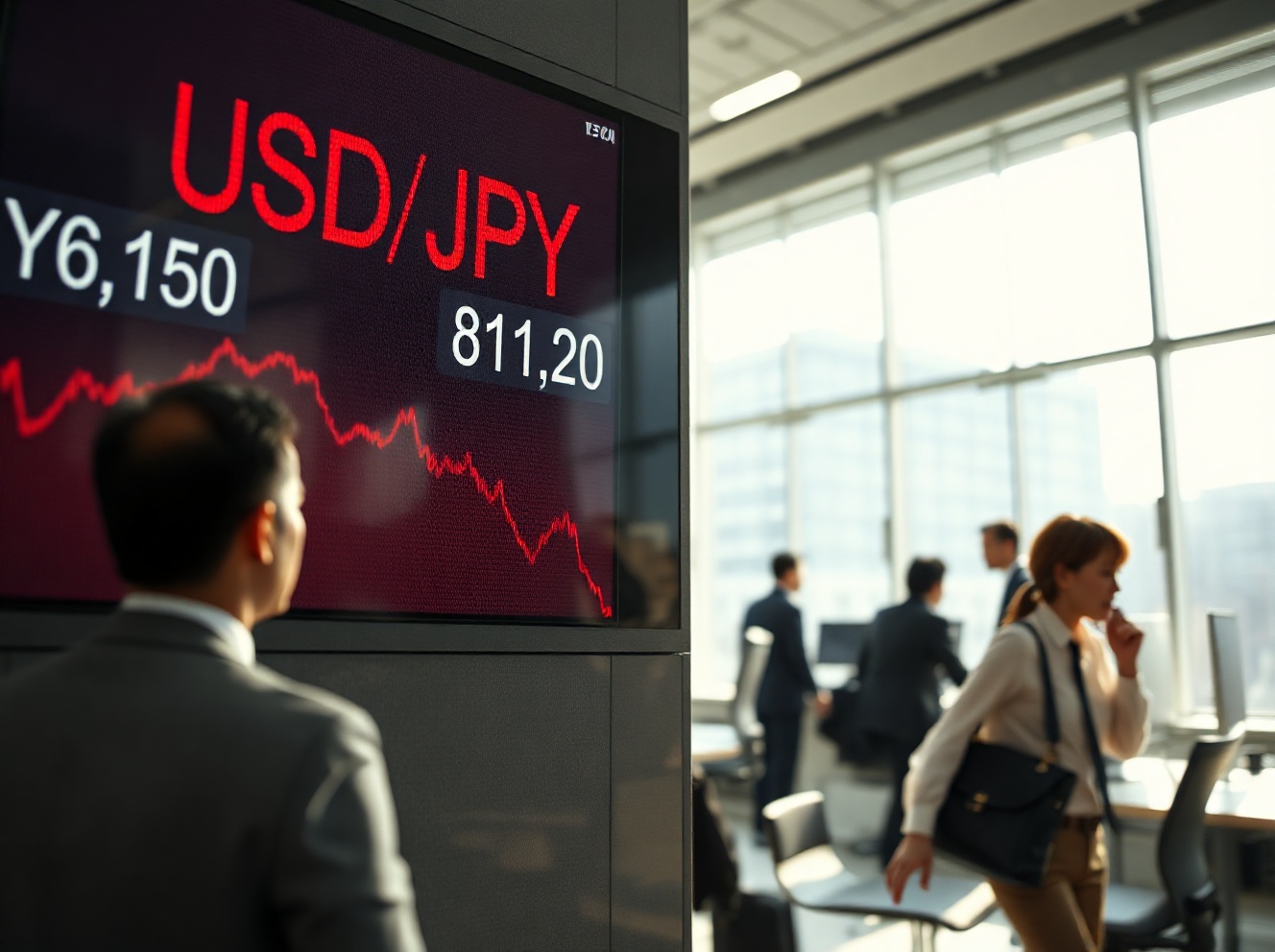
Japanese Yen Slips to Four-Week Low as Hormuz Tensions Outweigh Intervention Fears
The Japanese yen weakened to a four-week low against the US dollar on Monday, as escalating geopolitical risks in the Strait of Hormuz overshadowed persistent fears of official intervention by Japanese authorities. The dollar-yen pair climbed above the 155 mark, reflecting renewed demand for the greenback as a safe haven amid heightened uncertainty in global energy markets.
Geopolitical Pressures Drive Dollar Demand
Renewed tensions in the Strait of Hormuz, a critical chokepoint for global oil shipments, have injected fresh volatility into currency markets. Reports of increased naval activity and diplomatic friction between regional powers have raised the specter of supply disruptions, prompting investors to rotate into the US dollar. This shift has put downward pressure on the yen, which had been trading in a relatively narrow range in recent weeks.
The dollar index (DXY) also gained ground, reflecting broad-based strength against major peers. The yen’s decline was particularly pronounced, as Japan’s heavy reliance on energy imports makes it acutely sensitive to oil price spikes triggered by Hormuz-related instability.
Intervention Fears Fade Amid Market Dynamics
Japanese officials have repeatedly signaled their readiness to intervene in the foreign exchange market to curb excessive yen weakness. However, the current move appears to be driven by genuine geopolitical risk rather than speculative attacks, reducing the immediate likelihood of direct intervention. Traders note that Tokyo’s line in the sand has shifted, with authorities more likely to act against rapid, disorderly moves than gradual depreciation linked to external shocks.
Finance Minister Shunichi Suzuki reiterated the government’s stance on Monday, stating that authorities are watching currency moves with a high sense of urgency. Yet, the market interpreted the comments as standard rhetoric, with no concrete action expected unless the pair breaches the 160 level.
Impact on Japanese Importers and Consumers
The weaker yen adds to cost pressures for Japanese businesses and households, particularly in energy and raw material imports. A sustained decline could exacerbate inflationary pressures, complicating the Bank of Japan’s monetary policy normalization path. The central bank has maintained an ultra-loose stance, but rising import costs are beginning to feed into consumer prices, raising the stakes for future policy decisions.
Technical Levels to Watch
From a technical perspective, the USD/JPY pair is testing resistance near the 155.50 level, a key threshold that previously prompted verbal warnings from Tokyo. A decisive break above this zone could open the door to a test of the 157 area, where intervention risk increases significantly. On the downside, support is seen near the 153.50 mark, representing the 50-day moving average.
Conclusion
The Japanese yen’s slide to a four-week low reflects a classic tug-of-war between geopolitical risk and intervention fears. While the Hormuz situation continues to evolve, the immediate catalyst for further yen weakness remains tied to oil price dynamics and broader risk sentiment. Traders should monitor both official commentary and energy market developments for the next directional cue.
FAQs
Q1: Why is the Japanese yen falling against the US dollar?
The yen is weakening primarily due to heightened geopolitical tensions in the Strait of Hormuz, which is driving safe-haven demand for the US dollar. Japan’s reliance on energy imports makes it particularly vulnerable to oil price volatility stemming from this region.
Q2: Will Japan intervene to support the yen?
Japanese authorities have warned they are ready to intervene, but the current move is seen as fundamentally driven by geopolitical risk rather than speculative attacks. Intervention is more likely if the USD/JPY pair makes a rapid, disorderly move above the 160 level.
Q3: How does a weaker yen affect the Japanese economy?
A weaker yen increases the cost of imported goods, particularly energy and raw materials, which can fuel inflation. It benefits exporters by making their products cheaper abroad, but the net effect on the economy depends on the balance between import costs and export competitiveness.
This post Japanese Yen Slips to Four-Week Low as Hormuz Tensions Outweigh Intervention Fears first appeared on BitcoinWorld.


추천 콘텐츠

'Pathetic' Lindsey Graham brutally mocked for wanting to rename Nobel Prize after Trump

Exclusive interview with Smokey The Bera, co-founder of Berachain: How the innovative PoL public chain solves the liquidity problem and may be launched in a few months

CoreWeave (CRWV) Stock Surges 12% on $8.5B GPU-Backed Financing Deal — Here’s the Full Picture


인기 뉴스
더보기
