By David Unyime Nkanta Compiled by: TechFlow The Pokémon trading card game is extremely popular around the world, especially in Japan. These cards are very valuable, especially the rare ones. (Image source: Twitter / FADA Pack Magic @FadaPackMagic) Pokémon trading cards have gone from amusement park items to one of the world's hottest alternative investments. According to data from analytics firm Card Ladder, the Pokémon card market has grown 3,821% in value since 2004, far outpacing the S&P 500's 483% increase and Meta Platforms' 1,844% growth. From hobby to high-yield asset Pokémon trading cards, launched by Nintendo in 1996, have become a popular investment, traded across platforms including eBay, TCGplayer, and international expos. The market has seen explosive growth during the pandemic, as stimulus policies and lockdowns have driven collectors toward alternative assets. For some, the investment has yielded life-changing returns. Lucas Shaw, a 27-year-old account manager in Ohio, said the profits from selling the cards helped him pay for his wedding rings and celebrations. Similarly, Justin Wilson, a 32-year-old advertising manager in Oklahoma City, estimates the total value of his collection of 500 cards and 100 sealed items at about $100,000. He considers Pokémon cards part of his investment portfolio, alongside his Roth IRA and securities accounts. The appeal of Pokémon cards lies not only in financial gain but also in their emotional resonance. "You have to collect them all," Wilson said, referencing the series's classic slogan. For many, the cards represent both childhood nostalgia and speculative opportunity. Where does the value of rare Pokémon cards come from? A classic Poké Ball toy with matching Pokémon trading cards. Zapdos, Ninetales, and a trainer card are clearly visible. Image credit: Thimo Pedersen/Unsplash Unlike stocks, Pokémon cards don't generate dividends; their value depends on their rarity, condition, and cultural significance. Cards graded as perfect PSA 10 by the Professional Sports Authenticator (PSA) often fetch exorbitant prices. The most dramatic example occurred in 2022, when influencer Logan Paul purchased a near-perfect "Pikachu Illustrator" card for $5.3 million, setting a Guinness World Record for the most expensive Pokémon card ever sold privately. This event further ignited market interest and highlighted the speculative potential of high-level cards. Risks of the Pokémon Card Market Financial advisors warn against considering collectibles as the core of a portfolio. Card prices are extremely volatile, influenced by hype, media coverage, and collector sentiment. Counterfeit cards also remain a potential threat, with scams frequently occurring. Image source: Flickr/c0rnnibblets Still, the resilience of the Pokémon brand provides some stability to the market. Pokémon spans video games, movies, and merchandise, and unlike sports trading cards, the characters are immune to scandals, making them a safer investment for some collectors. The Future of Collectibles Investing The rapid rise of Pokémon cards reflects a broader shift in people's perception of value. As digital assets like Bitcoin face regulatory scrutiny and tech stocks undergo a market correction, tangible collectibles offer a nostalgic and potentially profitable haven. While the sustainability of its value remains uncertain, the 3,821% growth over the past 20 years has established Pokémon trading cards as the most vivid example of how a childhood hobby can transform into a multi-million dollar investment.By David Unyime Nkanta Compiled by: TechFlow The Pokémon trading card game is extremely popular around the world, especially in Japan. These cards are very valuable, especially the rare ones. (Image source: Twitter / FADA Pack Magic @FadaPackMagic) Pokémon trading cards have gone from amusement park items to one of the world's hottest alternative investments. According to data from analytics firm Card Ladder, the Pokémon card market has grown 3,821% in value since 2004, far outpacing the S&P 500's 483% increase and Meta Platforms' 1,844% growth. From hobby to high-yield asset Pokémon trading cards, launched by Nintendo in 1996, have become a popular investment, traded across platforms including eBay, TCGplayer, and international expos. The market has seen explosive growth during the pandemic, as stimulus policies and lockdowns have driven collectors toward alternative assets. For some, the investment has yielded life-changing returns. Lucas Shaw, a 27-year-old account manager in Ohio, said the profits from selling the cards helped him pay for his wedding rings and celebrations. Similarly, Justin Wilson, a 32-year-old advertising manager in Oklahoma City, estimates the total value of his collection of 500 cards and 100 sealed items at about $100,000. He considers Pokémon cards part of his investment portfolio, alongside his Roth IRA and securities accounts. The appeal of Pokémon cards lies not only in financial gain but also in their emotional resonance. "You have to collect them all," Wilson said, referencing the series's classic slogan. For many, the cards represent both childhood nostalgia and speculative opportunity. Where does the value of rare Pokémon cards come from? A classic Poké Ball toy with matching Pokémon trading cards. Zapdos, Ninetales, and a trainer card are clearly visible. Image credit: Thimo Pedersen/Unsplash Unlike stocks, Pokémon cards don't generate dividends; their value depends on their rarity, condition, and cultural significance. Cards graded as perfect PSA 10 by the Professional Sports Authenticator (PSA) often fetch exorbitant prices. The most dramatic example occurred in 2022, when influencer Logan Paul purchased a near-perfect "Pikachu Illustrator" card for $5.3 million, setting a Guinness World Record for the most expensive Pokémon card ever sold privately. This event further ignited market interest and highlighted the speculative potential of high-level cards. Risks of the Pokémon Card Market Financial advisors warn against considering collectibles as the core of a portfolio. Card prices are extremely volatile, influenced by hype, media coverage, and collector sentiment. Counterfeit cards also remain a potential threat, with scams frequently occurring. Image source: Flickr/c0rnnibblets Still, the resilience of the Pokémon brand provides some stability to the market. Pokémon spans video games, movies, and merchandise, and unlike sports trading cards, the characters are immune to scandals, making them a safer investment for some collectors. The Future of Collectibles Investing The rapid rise of Pokémon cards reflects a broader shift in people's perception of value. As digital assets like Bitcoin face regulatory scrutiny and tech stocks undergo a market correction, tangible collectibles offer a nostalgic and potentially profitable haven. While the sustainability of its value remains uncertain, the 3,821% growth over the past 20 years has established Pokémon trading cards as the most vivid example of how a childhood hobby can transform into a multi-million dollar investment.
A 3821% surge in 20 years: Why are Pokémon cards valuable investments?

2025/09/18 18:00

By David Unyime Nkanta

Compiled by: TechFlow

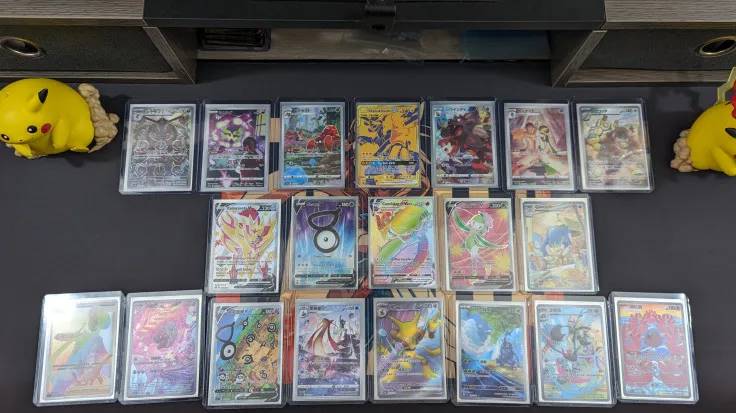
 The Pokémon trading card game is extremely popular around the world, especially in Japan. These cards are very valuable, especially the rare ones. (Image source: Twitter / FADA Pack Magic @FadaPackMagic)

Pokémon trading cards have gone from amusement park items to one of the world's hottest alternative investments.

According to data from analytics firm Card Ladder, the Pokémon card market has grown 3,821% in value since 2004, far outpacing the S&P 500's 483% increase and Meta Platforms' 1,844% growth.

From hobby to high-yield asset

Pokémon trading cards, launched by Nintendo in 1996, have become a popular investment, traded across platforms including eBay, TCGplayer, and international expos. The market has seen explosive growth during the pandemic, as stimulus policies and lockdowns have driven collectors toward alternative assets.

For some, the investment has yielded life-changing returns. Lucas Shaw, a 27-year-old account manager in Ohio, said the profits from selling the cards helped him pay for his wedding rings and celebrations.

Similarly, Justin Wilson, a 32-year-old advertising manager in Oklahoma City, estimates the total value of his collection of 500 cards and 100 sealed items at about $100,000. He considers Pokémon cards part of his investment portfolio, alongside his Roth IRA and securities accounts.

The appeal of Pokémon cards lies not only in financial gain but also in their emotional resonance. "You have to collect them all," Wilson said, referencing the series's classic slogan. For many, the cards represent both childhood nostalgia and speculative opportunity.

Where does the value of rare Pokémon cards come from?

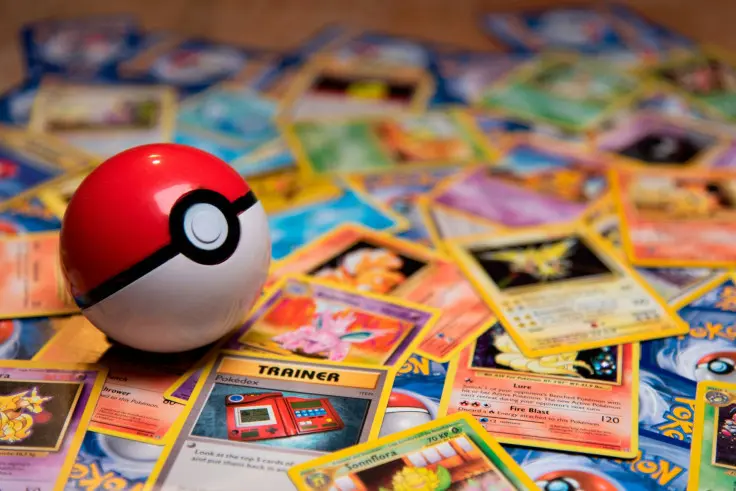
 A classic Poké Ball toy with matching Pokémon trading cards. Zapdos, Ninetales, and a trainer card are clearly visible.

Image credit: Thimo Pedersen/Unsplash

Unlike stocks, Pokémon cards don't generate dividends; their value depends on their rarity, condition, and cultural significance. Cards graded as perfect PSA 10 by the Professional Sports Authenticator (PSA) often fetch exorbitant prices.

The most dramatic example occurred in 2022, when influencer Logan Paul purchased a near-perfect "Pikachu Illustrator" card for $5.3 million, setting a Guinness World Record for the most expensive Pokémon card ever sold privately. This event further ignited market interest and highlighted the speculative potential of high-level cards.

Risks of the Pokémon Card Market

Financial advisors warn against considering collectibles as the core of a portfolio. Card prices are extremely volatile, influenced by hype, media coverage, and collector sentiment. Counterfeit cards also remain a potential threat, with scams frequently occurring.
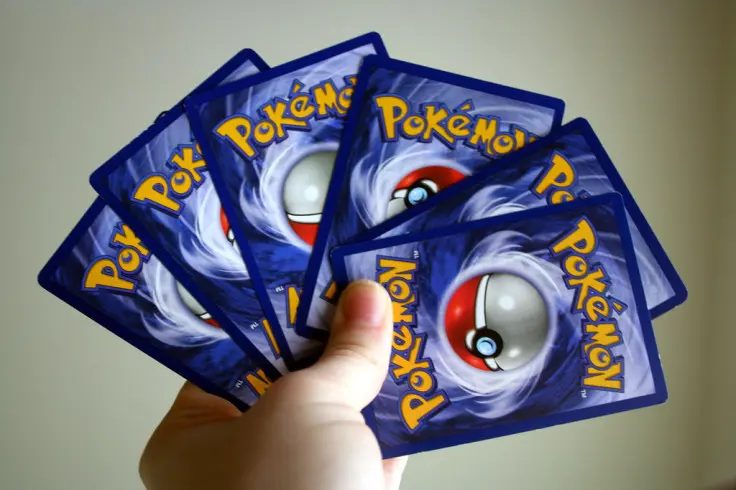
 Image source: Flickr/c0rnnibblets

Still, the resilience of the Pokémon brand provides some stability to the market. Pokémon spans video games, movies, and merchandise, and unlike sports trading cards, the characters are immune to scandals, making them a safer investment for some collectors.

The Future of Collectibles Investing

The rapid rise of Pokémon cards reflects a broader shift in people's perception of value. As digital assets like Bitcoin face regulatory scrutiny and tech stocks undergo a market correction, tangible collectibles offer a nostalgic and potentially profitable haven.

While the sustainability of its value remains uncertain, the 3,821% growth over the past 20 years has established Pokémon trading cards as the most vivid example of how a childhood hobby can transform into a multi-million dollar investment.

Market Opportunity
NEAR Logo
NEAR Price(NEAR)
$1.79
$1.79$1.79
-2.87%
USD
NEAR (NEAR) Live Price Chart
Disclaimer: The articles reposted on this site are sourced from public platforms and are provided for informational purposes only. They do not necessarily reflect the views of MEXC. All rights remain with the original authors. If you believe any content infringes on third-party rights, please contact service@support.mexc.com for removal. MEXC makes no guarantees regarding the accuracy, completeness, or timeliness of the content and is not responsible for any actions taken based on the information provided. The content does not constitute financial, legal, or other professional advice, nor should it be considered a recommendation or endorsement by MEXC.

You May Also Like

From XRP to Flare: Seasoned Enthusiast Shares What’s Next for Ecosystem

From XRP to Flare: Seasoned Enthusiast Shares What’s Next for Ecosystem

The post From XRP to Flare: Seasoned Enthusiast Shares What’s Next for Ecosystem appeared on BitcoinEthereumNews.com. Flare’s power is in community, infrastructure developer Tim Rowley says “FAssets are imminent” Tim Rowley, one of the earliest enthusiasts of the Flare (FLR) ecosystem, reflects on what makes the blockchain special and what might be next for Flare (FLR) and its adoption workloads. Flare’s power is in community, infrastructure developer Tim Rowley says Tim Rowley, an Australian blockchain educationist and passionate Flare (FLR) ecosystem contributor, shared a reflection on his journey in the ecosystem. He recalled the early days when he became involved because of his father participating in a Spark (the predecessor of FLR) airdrop to the holders of XRP. Image via X While Flare was still in its very nascent stage of an EVM blockchain, Rowley admitted that the passionate community was its strength from the very beginning. Then, he started learning the concept of FTSO, a Flare-specific design of blockchain oracles. Rowley launched FTSO.AU, the first Flare oracle infrastructure provider. Expanding his involvement with the ecosystem, Rowley contributed to Flare Metrics, a data tracker for Flare’s validators, and Flare Builders, a developer experience resource for Flare and its canary network Songbird. The primary motivation was bringing new community members to both ecosystems: This is the very reason we have Flare Metrics and Flare Builders. Our aim is to provide unbiased information such as network statistics and other projects among us that make Flare great. Instead of answering individual questions, we have put this information in a format that can reach a larger audience (this is also the same reason I started making YouTube videos, it’s easier to share a single video that answers the same question many have). Flare (FLR) is a unique Layer-1 blockchain focused on data-heavy use cases. It was introduced in late Q4, 2020, as a “utility fork” of XRP Ledger. “FAssets are…
Share
BitcoinEthereumNews2025/09/21 03:43
TD Cowen cuts Strategy price target to $440, cites lower bitcoin yield outlook

TD Cowen cuts Strategy price target to $440, cites lower bitcoin yield outlook

Despite the target cut, TD Cowen said Strategy remains an attractive vehicle for investors seeking bitcoin exposure.
Share
Coinstats2026/01/15 07:29
How to earn from cloud mining: IeByte’s upgraded auto-cloud mining platform unlocks genuine passive earnings

How to earn from cloud mining: IeByte’s upgraded auto-cloud mining platform unlocks genuine passive earnings

The post How to earn from cloud mining: IeByte’s upgraded auto-cloud mining platform unlocks genuine passive earnings appeared on BitcoinEthereumNews.com. contributor Posted: September 17, 2025 As digital assets continue to reshape global finance, cloud mining has become one of the most effective ways for investors to generate stable passive income. Addressing the growing demand for simplicity, security, and profitability, IeByte has officially upgraded its fully automated cloud mining platform, empowering both beginners and experienced investors to earn Bitcoin, Dogecoin, and other mainstream cryptocurrencies without the need for hardware or technical expertise. Why cloud mining in 2025? Traditional crypto mining requires expensive hardware, high electricity costs, and constant maintenance. In 2025, with blockchain networks becoming more competitive, these barriers have grown even higher. Cloud mining solves this by allowing users to lease professional mining power remotely, eliminating the upfront costs and complexity. IeByte stands at the forefront of this transformation, offering investors a transparent and seamless path to daily earnings. IeByte’s upgraded auto-cloud mining platform With its latest upgrade, IeByte introduces: Full Automation: Mining contracts can be activated in just one click, with all processes handled by IeByte’s servers. Enhanced Security: Bank-grade encryption, cold wallets, and real-time monitoring protect every transaction. Scalable Options: From starter packages to high-level investment contracts, investors can choose the plan that matches their goals. Global Reach: Already trusted by users in over 100 countries. Mining contracts for 2025 IeByte offers a wide range of contracts tailored for every investor level. From entry-level plans with daily returns to premium high-yield packages, the platform ensures maximum accessibility. Contract Type Duration Price Daily Reward Total Earnings (Principal + Profit) Starter Contract 1 Day $200 $6 $200 + $6 + $10 bonus Bronze Basic Contract 2 Days $500 $13.5 $500 + $27 Bronze Basic Contract 3 Days $1,200 $36 $1,200 + $108 Silver Advanced Contract 1 Day $5,000 $175 $5,000 + $175 Silver Advanced Contract 2 Days $8,000 $320 $8,000 + $640 Silver…
Share
BitcoinEthereumNews2025/09/17 23:48