

Trump Delays Iran Strike Decision, Extends Diplomatic Window: WSJ
BitcoinWorld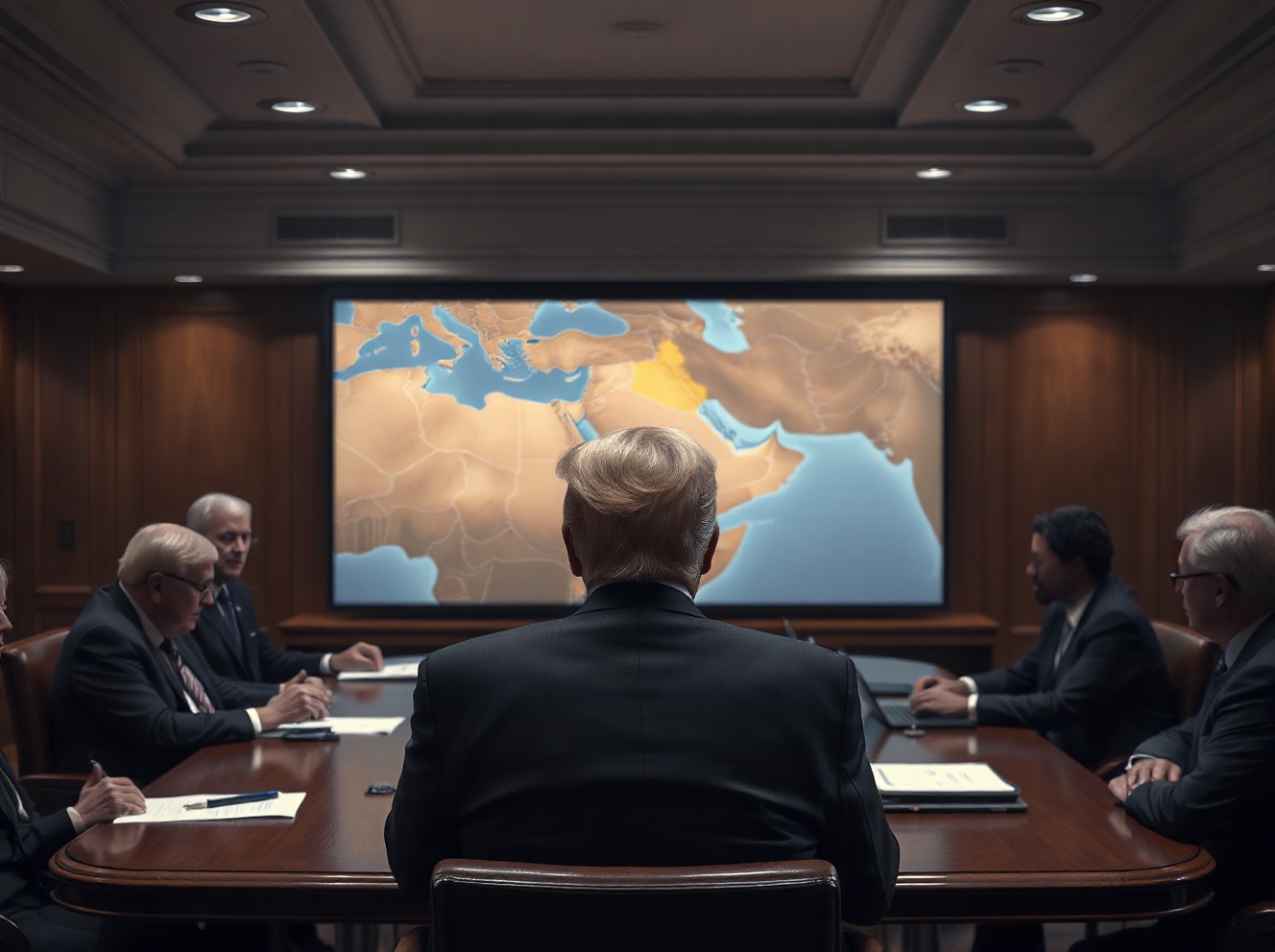
Trump Delays Iran Strike Decision, Extends Diplomatic Window: WSJ
President Donald Trump has opted against immediately ordering a new military strike on Iran, choosing instead to extend the timeline for ongoing diplomatic negotiations, according to a report from The Wall Street Journal (WSJ) citing multiple U.S. officials. The decision came after a May 22 meeting with his national security team, during which the President was briefed on the status of talks with Tehran.
Behind the Decision: A Deliberate Pause
During the high-level meeting, President Trump expressed his intention to allow more time for the current dialogue with Iran to produce results. The WSJ report indicates that while the President is giving diplomacy a chance, he made it clear to his advisors that the option for a military attack remains firmly on the table should negotiations ultimately fail. This calibrated approach underscores the administration’s strategy of maintaining maximum pressure while exploring a diplomatic off-ramp.
Context and Implications for the Region
The decision comes amid heightened tensions between the U.S. and Iran over the latter’s nuclear program. The U.S. has consistently sought to prevent Iran from developing nuclear weapons capability, and the current talks are seen as a critical window to achieve that goal through non-military means. By postponing a strike, the administration buys time for negotiators but also risks signaling hesitation to Tehran. The WSJ report suggests the internal debate reflects a broader split between those favoring immediate military action and those advocating for sustained diplomatic engagement.
Why This Matters
For global markets and regional stability, the postponement reduces the immediate risk of a major conflict in the Middle East, which could disrupt oil supplies and escalate into a broader war. For U.S. allies and adversaries alike, the move signals that the Trump administration is willing to exhaust diplomatic channels before resorting to force. However, the explicit reservation of the military option means the threat of a strike remains a key leverage point in ongoing negotiations. The coming weeks will be critical in determining whether talks can produce tangible progress or if the U.S. will revert to a military posture.
Conclusion
President Trump’s decision to delay a formal strike order on Iran represents a tactical pause rather than a policy reversal. By extending the timeline for diplomacy while keeping military options open, the administration aims to pressure Iran into a negotiated settlement. The outcome of these talks will likely define the next phase of U.S.-Iran relations and shape the security landscape of the Middle East.
FAQs
Q1: Did President Trump cancel a military strike on Iran?
No, he postponed the decision. According to the WSJ, he has not formally ordered a new strike but has reserved the option to do so if diplomatic talks fail.
Q2: What was the purpose of the May 22 meeting?
The meeting was a national security briefing where President Trump was updated on the status of negotiations with Iran. He then expressed his intention to allow more time for diplomacy.
Q3: What happens if the talks with Iran fail?
President Trump has made it clear that the option for a military attack remains available. If negotiations collapse, the administration could authorize a strike against Iranian nuclear facilities or military assets.
This post Trump Delays Iran Strike Decision, Extends Diplomatic Window: WSJ first appeared on BitcoinWorld.


You May Also Like

Wall Street Quietly Accumulating Bitcoin, Says Bloomberg ETF Analyst

XRP Price Prediction: XRP Faces Short-Term Downtrend While Analysts Target Multi-Dollar Expansion

From Telegram to Terminal: Banana Gun’s Pro Platform Hits Ethereum as User Base Surpasses One Million



