Author: thedefinvestor Compiled by: Plain Language Blockchain Last week was a bad week for DeFi. It wasn't just because of the market crash. Last week: Balancer, a top DeFi protocol, was exploited, resulting in a loss of $128 million. Stream Finance, a protocol that primarily generates yield through stablecoins, announced the loss of $93 million in user assets and is preparing to declare bankruptcy. Moonwell lost $1 million in an attack. Peapods' Pod LP TVL (Total Value Locked) dropped from $32 million to $0 due to liquidation. So far, the most devastating loss has been to Stream Finance. This is because it affects not only its depositors but also stablecoin lenders of some of the largest lending protocols in the space, including Morpho, Silo, and Euler. In short, here's what happened: CBB, a prominent figure on Crypto Twitter, has begun advising people to withdraw their investments from Stream due to its lack of transparency. Stream is reportedly running a "DeFi market-neutral strategy," but its positions cannot be monitored, and its transparency page has been consistently listed as "coming soon." This triggered a bank run, with a large number of users attempting to withdraw funds simultaneously. Stream Finance has halted withdrawal processing after it recently suffered a massive loss of user funds ($92 million) and was unable to process all withdrawal requests. This caused the price of its xUSD (Stream's interest-bearing "stablecoin") to plummet. This already sounds terrible, but the story isn't over yet. A major problem is that xUSD is listed as collateral in currency markets such as Euler, Morpho, and Silo. Worse still, Stream has been using its so-called stablecoin xUSD as collateral to borrow funds from the money market to execute its yield strategy. With the xUSD price now crashing, many lenders who lent USDC/USDT to xUSD collateral on Euler, Morpho, and Silo are no longer able to withdraw their funds. According to the DeFi User Alliance (YAM), at least $284 million in DeFi debt across various money markets is tied to Stream Finance! Unfortunately, a large portion of this money may be unrecoverable. As a result, many stablecoin lenders suffered heavy losses. What can we learn from this? Over the past two to three years, I have been personally deeply involved in the farming of DeFi protocols. However, following the recent events, I plan to re-evaluate my DeFi portfolio positions and become more risk-averse. Yield farming can be very profitable. I've made some substantial profits from it over the past few years, but events like this can cause you to lose a significant amount of money. I have a few suggestions: Always verify the exact source of income. Stream isn't the only DeFi protocol claiming to generate yield through a "market-neutral strategy." Be sure to look for transparency dashboards or proof-of-reserve reports, where you can clearly see that the team isn't gambling with your assets. Don't blindly trust a protocol just because the team behind it seems good. Consider whether the risk-reward ratio is good enough. Some stablecoin protocols offer an annualized return (APR) of 5-7%. Others may offer over 10%. My advice is not to blindly deposit funds into protocols offering the highest yields without doing proper research. If the strategy is not transparent, or the process of generating returns seems too risky, then it is not worth risking your money for a double-digit annual return. Or if the returns are too low (e.g., an annualized rate of 4-5%), ask yourself if it's worth it. No smart contract is risk-free; we've even seen established applications like Balancer attacked. Is it worth risking everything for a low annualized return (APY)? Don't put all your eggs in one basket. As a general rule, I never deposit more than 10% of my portfolio into a single dApp. No matter how tempting the returns or airdrop opportunities may seem, the impact on my finances should a hack occur. In short, when building your investment portfolio, prioritize survival over making money. It's always better to be safe than to regret.Author: thedefinvestor Compiled by: Plain Language Blockchain Last week was a bad week for DeFi. It wasn't just because of the market crash. Last week: Balancer, a top DeFi protocol, was exploited, resulting in a loss of $128 million. Stream Finance, a protocol that primarily generates yield through stablecoins, announced the loss of $93 million in user assets and is preparing to declare bankruptcy. Moonwell lost $1 million in an attack. Peapods' Pod LP TVL (Total Value Locked) dropped from $32 million to $0 due to liquidation. So far, the most devastating loss has been to Stream Finance. This is because it affects not only its depositors but also stablecoin lenders of some of the largest lending protocols in the space, including Morpho, Silo, and Euler. In short, here's what happened: CBB, a prominent figure on Crypto Twitter, has begun advising people to withdraw their investments from Stream due to its lack of transparency. Stream is reportedly running a "DeFi market-neutral strategy," but its positions cannot be monitored, and its transparency page has been consistently listed as "coming soon." This triggered a bank run, with a large number of users attempting to withdraw funds simultaneously. Stream Finance has halted withdrawal processing after it recently suffered a massive loss of user funds ($92 million) and was unable to process all withdrawal requests. This caused the price of its xUSD (Stream's interest-bearing "stablecoin") to plummet. This already sounds terrible, but the story isn't over yet. A major problem is that xUSD is listed as collateral in currency markets such as Euler, Morpho, and Silo. Worse still, Stream has been using its so-called stablecoin xUSD as collateral to borrow funds from the money market to execute its yield strategy. With the xUSD price now crashing, many lenders who lent USDC/USDT to xUSD collateral on Euler, Morpho, and Silo are no longer able to withdraw their funds. According to the DeFi User Alliance (YAM), at least $284 million in DeFi debt across various money markets is tied to Stream Finance! Unfortunately, a large portion of this money may be unrecoverable. As a result, many stablecoin lenders suffered heavy losses. What can we learn from this? Over the past two to three years, I have been personally deeply involved in the farming of DeFi protocols. However, following the recent events, I plan to re-evaluate my DeFi portfolio positions and become more risk-averse. Yield farming can be very profitable. I've made some substantial profits from it over the past few years, but events like this can cause you to lose a significant amount of money. I have a few suggestions: Always verify the exact source of income. Stream isn't the only DeFi protocol claiming to generate yield through a "market-neutral strategy." Be sure to look for transparency dashboards or proof-of-reserve reports, where you can clearly see that the team isn't gambling with your assets. Don't blindly trust a protocol just because the team behind it seems good. Consider whether the risk-reward ratio is good enough. Some stablecoin protocols offer an annualized return (APR) of 5-7%. Others may offer over 10%. My advice is not to blindly deposit funds into protocols offering the highest yields without doing proper research. If the strategy is not transparent, or the process of generating returns seems too risky, then it is not worth risking your money for a double-digit annual return. Or if the returns are too low (e.g., an annualized rate of 4-5%), ask yourself if it's worth it. No smart contract is risk-free; we've even seen established applications like Balancer attacked. Is it worth risking everything for a low annualized return (APY)? Don't put all your eggs in one basket. As a general rule, I never deposit more than 10% of my portfolio into a single dApp. No matter how tempting the returns or airdrop opportunities may seem, the impact on my finances should a hack occur. In short, when building your investment portfolio, prioritize survival over making money. It's always better to be safe than to regret.

What can we learn from the successive collapses of multiple DeFi projects?

2025/11/10 15:00
4 min read

Author: thedefinvestor

Compiled by: Plain Language Blockchain

Last week was a bad week for DeFi.

It wasn't just because of the market crash. Last week:

  • Balancer, a top DeFi protocol, was exploited, resulting in a loss of $128 million.
  • Stream Finance, a protocol that primarily generates yield through stablecoins, announced the loss of $93 million in user assets and is preparing to declare bankruptcy.
  • Moonwell lost $1 million in an attack.
  • Peapods' Pod LP TVL (Total Value Locked) dropped from $32 million to $0 due to liquidation.

So far, the most devastating loss has been to Stream Finance.

This is because it affects not only its depositors but also stablecoin lenders of some of the largest lending protocols in the space, including Morpho, Silo, and Euler.

In short, here's what happened:

  • CBB, a prominent figure on Crypto Twitter, has begun advising people to withdraw their investments from Stream due to its lack of transparency.

Stream is reportedly running a "DeFi market-neutral strategy," but its positions cannot be monitored, and its transparency page has been consistently listed as "coming soon."

  • This triggered a bank run, with a large number of users attempting to withdraw funds simultaneously.
  • Stream Finance has halted withdrawal processing after it recently suffered a massive loss of user funds ($92 million) and was unable to process all withdrawal requests. This caused the price of its xUSD (Stream's interest-bearing "stablecoin") to plummet.

This already sounds terrible, but the story isn't over yet.

A major problem is that xUSD is listed as collateral in currency markets such as Euler, Morpho, and Silo.

Worse still, Stream has been using its so-called stablecoin xUSD as collateral to borrow funds from the money market to execute its yield strategy.

With the xUSD price now crashing, many lenders who lent USDC/USDT to xUSD collateral on Euler, Morpho, and Silo are no longer able to withdraw their funds.

According to the DeFi User Alliance (YAM), at least $284 million in DeFi debt across various money markets is tied to Stream Finance!

Unfortunately, a large portion of this money may be unrecoverable.

As a result, many stablecoin lenders suffered heavy losses.

What can we learn from this?

Over the past two to three years, I have been personally deeply involved in the farming of DeFi protocols.

However, following the recent events, I plan to re-evaluate my DeFi portfolio positions and become more risk-averse.

Yield farming can be very profitable. I've made some substantial profits from it over the past few years, but events like this can cause you to lose a significant amount of money.

I have a few suggestions:

  • Always verify the exact source of income.

Stream isn't the only DeFi protocol claiming to generate yield through a "market-neutral strategy." Be sure to look for transparency dashboards or proof-of-reserve reports, where you can clearly see that the team isn't gambling with your assets.

Don't blindly trust a protocol just because the team behind it seems good.

  • Consider whether the risk-reward ratio is good enough.

Some stablecoin protocols offer an annualized return (APR) of 5-7%. Others may offer over 10%. My advice is not to blindly deposit funds into protocols offering the highest yields without doing proper research.

If the strategy is not transparent, or the process of generating returns seems too risky, then it is not worth risking your money for a double-digit annual return.

Or if the returns are too low (e.g., an annualized rate of 4-5%), ask yourself if it's worth it.

No smart contract is risk-free; we've even seen established applications like Balancer attacked. Is it worth risking everything for a low annualized return (APY)?

  • Don't put all your eggs in one basket.

As a general rule, I never deposit more than 10% of my portfolio into a single dApp.

No matter how tempting the returns or airdrop opportunities may seem, the impact on my finances should a hack occur.

In short, when building your investment portfolio, prioritize survival over making money.

It's always better to be safe than to regret.

Market Opportunity
Brainedge Logo
Brainedge Price(LEARN)
$0.006282
$0.006282$0.006282
+6.63%
USD
Brainedge (LEARN) Live Price Chart
Disclaimer: The articles reposted on this site are sourced from public platforms and are provided for informational purposes only. They do not necessarily reflect the views of MEXC. All rights remain with the original authors. If you believe any content infringes on third-party rights, please contact service@support.mexc.com for removal. MEXC makes no guarantees regarding the accuracy, completeness, or timeliness of the content and is not responsible for any actions taken based on the information provided. The content does not constitute financial, legal, or other professional advice, nor should it be considered a recommendation or endorsement by MEXC.

You May Also Like

A whale that made a 141% profit on PUMP three days ago bought 321 million TRUMPs today, with a floating profit of $223,000.

A whale that made a 141% profit on PUMP three days ago bought 321 million TRUMPs today, with a floating profit of $223,000.

PANews reported on September 18th that according to Lookonchain monitoring, whale H56YMH sold 317 million PUMPs (worth approximately $2.53 million) at an average price of $0.008 three days ago, realizing a net profit of $1.48 million (a 141% return). Subsequently, eight hours ago, it purchased 321 million TRUMPs at an average price of $0.007835, resulting in unrealized profits of $223,000.
Share
PANews2025/09/18 10:36
Health Insurers To Cover Covid Vaccines Despite RFK, Jr. Moves
Health Insurers To Cover Covid Vaccines Despite RFK, Jr. Moves

The post Health Insurers To Cover Covid Vaccines Despite RFK, Jr. Moves appeared on BitcoinEthereumNews.com. The nation’s biggest health insurance companies will continue to cover vaccinations – including those against Covid-19 and seasonal flu – previously recommended by a federal advisory committee, America’s Health Insurance Plans said Wednesday, Sept. 17, 2025. In this photo is a free flu and Covid-19 vaccine shots available sign, CVS, Queens, New York. (Photo by: Lindsey Nicholson/Universal Images Group via Getty Images) UCG/Universal Images Group via Getty Images The nation’s biggest health insurance companies will continue to cover vaccinations – including those against Covid-19 and seasonal flu – previously recommended by a federal advisory committee. The announcement by America’s Health Insurance Plans (AHIP), which includes CVS Health’s Aetna, Humana, Cigna, Centene and an array of Blue Cross and Blue Shield plans as members, comes ahead of the first meeting of the reconstituted Advisory Committee on Immunization Practices, which now has new members chosen by U.S. Health and Human Services Secretary Robert F. Kennedy Jr., a vaccine critic. “Health plans are committed to maintaining and ensuring affordable access to vaccines,” AHIP said in a statement Wednesday. “Health plan coverage decisions for immunizations are grounded in each plan’s ongoing, rigorous review of scientific and clinical evidence, and continual evaluation of multiple sources of data.” The move by AHIP is good news for millions of Americans at a time of year when they flock to drugstores, pharmacies, physician’s offices and outpatient clinics to get their seasonal flu and Covid shots. Kennedy’s changes to U.S. vaccine policy have created confusion across the country over whether certain vaccines long covered by insurance would continue to be. AHIP has now provided some clarity for millions of Americans. “Health plans will continue to cover all ACIP-recommended immunizations that were recommended as of September 1, 2025, including updated formulations of the COVID-19 and influenza vaccines, with no cost-sharing…
Share
BitcoinEthereumNews2025/09/18 03:11
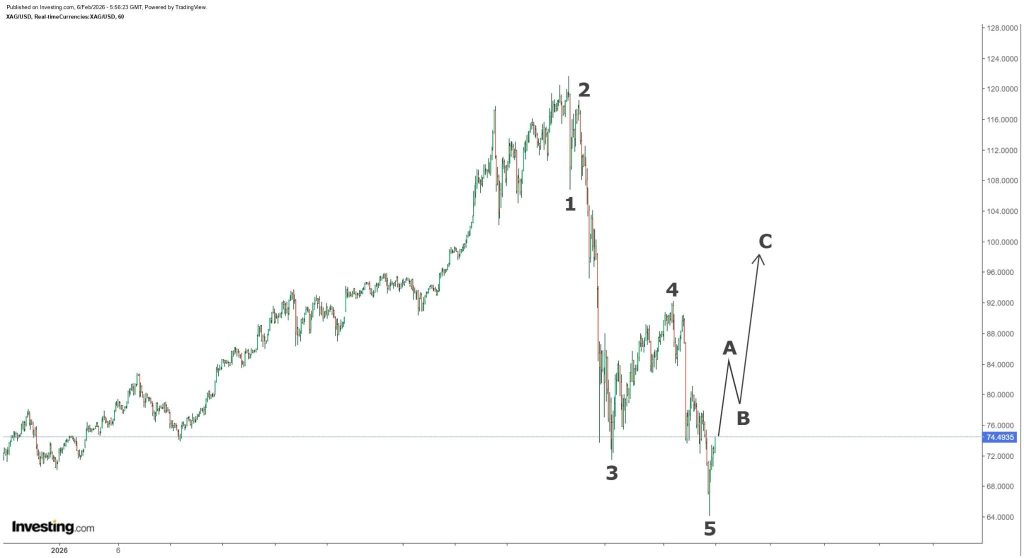
Silver Price Crash Is Over “For Real This Time,” Analyst Predicts a Surge Back Above $90

Silver Price Crash Is Over “For Real This Time,” Analyst Predicts a Surge Back Above $90

Silver has been taking a beating lately, and the Silver price hasn’t exactly been acting like a safe haven. After running up into the highs, the whole move reversed
Share
Captainaltcoin2026/02/07 03:15
