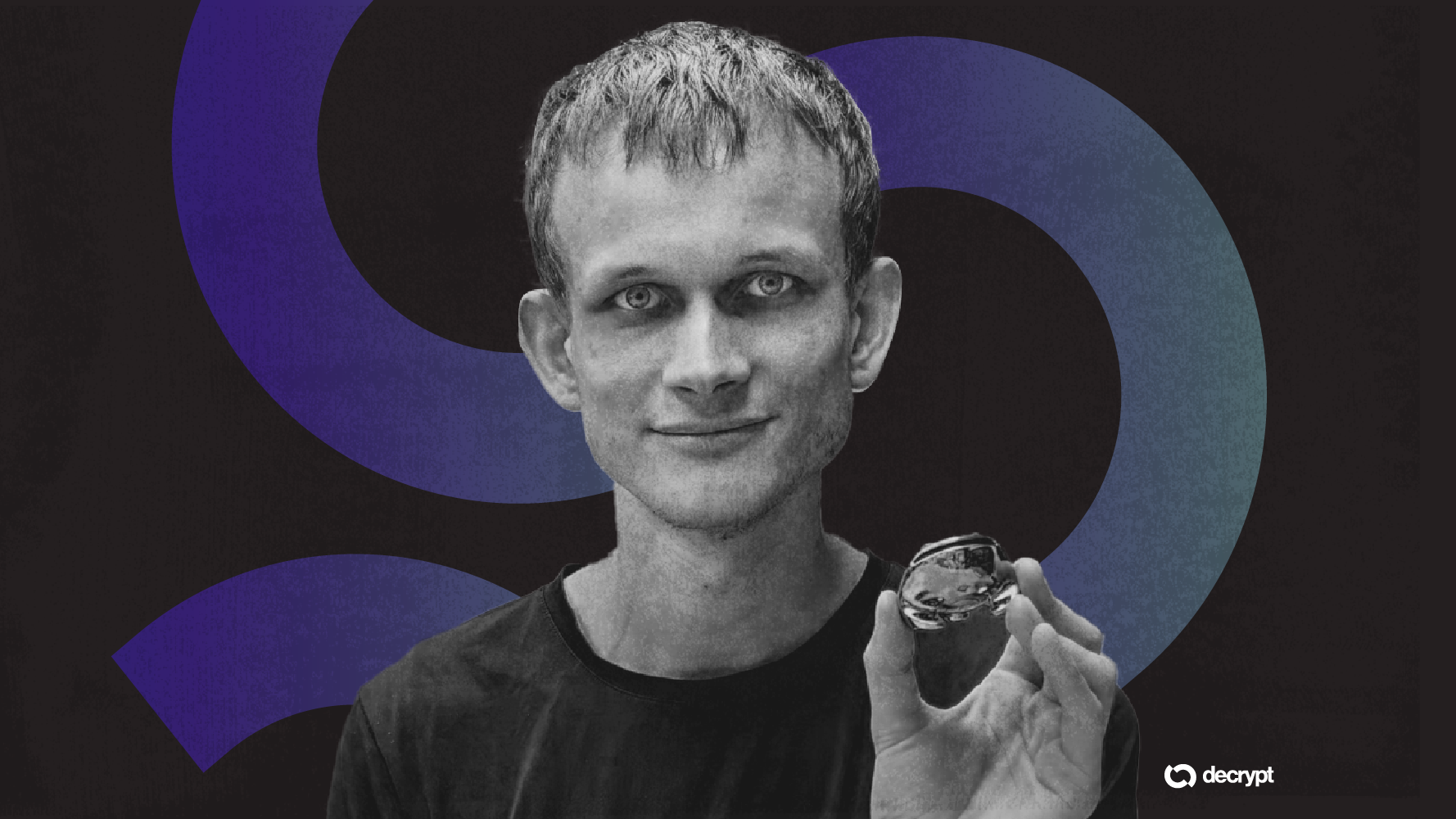
Idris Olubisi is championing Web3 inclusion in Africa beyond limits
For many young tech enthusiasts, Web3 feels like a maze of jargon, complex codes, and systems reserved for the privileged few. In Africa, this perception threatens to turn the digital revolution into an exclusive commodity, accessible only to those with advanced technical skills.
Yet, a tech genius saw this gap clearly and decided to change the narrative.
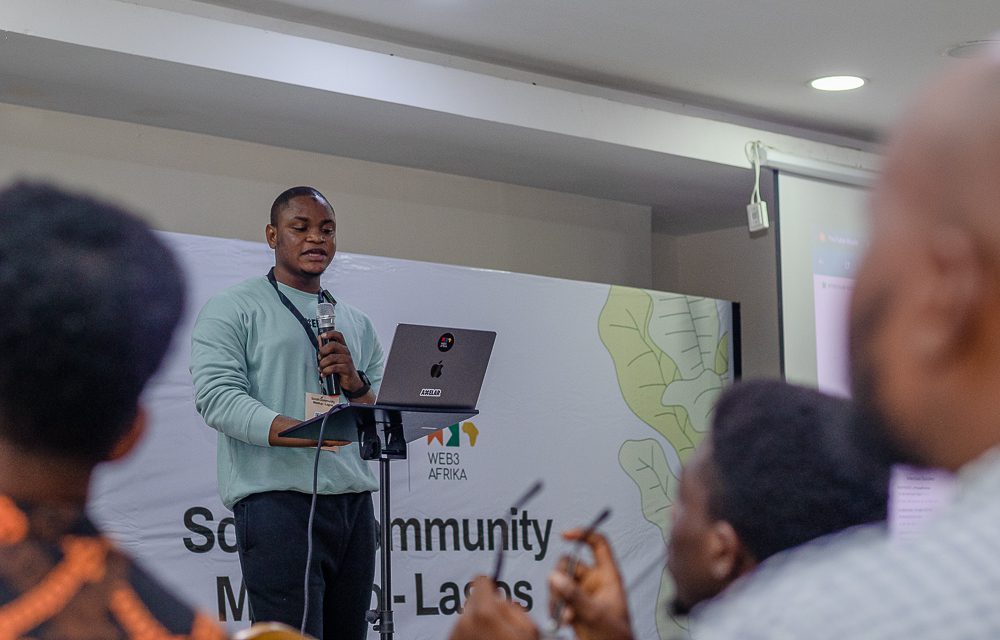
His name is Idris Olubisi, the founder of Web3 Afrika, a pioneering platform dedicated to making Web3 knowledge open, practical, and inclusive. His core mission is to ensure no young African is left behind in the digital evolution of Web3.
Idris has experience as a software engineer and developer relations expert, but what truly defines him is his commitment to education and community building. He believes the greatest ethical duty of Web3 pioneers is to ensure access.
“It’s easy for Web3 to become an echo chamber where only those who are already tech‑savvy or financially privileged benefit. As pioneers, we have to bridge that gap actively,” he said.
According to him, this conviction led to the establishment of Web3 Afrika. Through hands-on workshops, mentorship programs, and community initiatives, Idris mentors everyday people to understand Web3 beyond just token trading.
At Web3 Afrika, Idris has nurtured over 15,000 builders and continues to facilitate projects that contribute to Africa’s visibility in the global tech ecosystem.
“I founded Web3 Afrika to make sure knowledge isn’t hoarded but shared. We need to create pathways for everyday people to understand this technology, not just how to trade tokens, but how to build, how to think critically about projects, and how to protect themselves from scams,” Idris said.
Read also: How Meave Akinyi is leading Africa’s Web3 drive through community and education
How Idris’ tech journey started
Idris Olubisi’s path to becoming a recognised Web3 leader is a powerful story of resilience, curiosity, and relentless self-learning.
His journey began during his undergraduate studies in Electrical and Electronics Engineering at Abubakar Tafawa Balewa University in Nigeria. The turning point came during his final year when he had to undertake a practical, project-based research rather than a theoretical thesis.
His chosen project on designing an Automatic Waste Bin with an Alarm System was his first introduction to programming, igniting a passion that would define his future. Facing the common challenge of limited access to learning opportunities and hardware, Idris did not wait. He turned his smartphone into his primary classroom.
“I started learning to code on an HTC phone during university because I couldn’t afford a laptop, so I understand what it means to work with limited resources,” he said.
Idris used mobile apps like SoloLearn to teach himself essential programming languages like HTML, CSS, JavaScript, and Python. This sheer determination and self-study laid the entire foundation for his future in technology.

The pivot to Web3 and global recognition
Idris’s defining career pivot came when he explored Web3 technology. Initially drawn by the intrigue of blockchain and NFTs, he began experimenting with smart contracts while working as a backend engineer.
The breakthrough moment arrived when one of his technical articles about Web3 went viral, attracting hundreds of thousands of views and catching the attention of global CEOs and industry leaders.
“Web3 showed me that opportunity isn’t gated by where you’re from or what you have, it’s about what you’re willing to build,” he emphasised
This recognition allowed him to transition fully into the decentralised space, taking on roles in developer relations and community leadership, which ultimately led to the founding of his platform, Web3 Afrika.
His dedication and ingenuity were later validated on a global scale when he earned a Global Talent Visa in the United Kingdom.
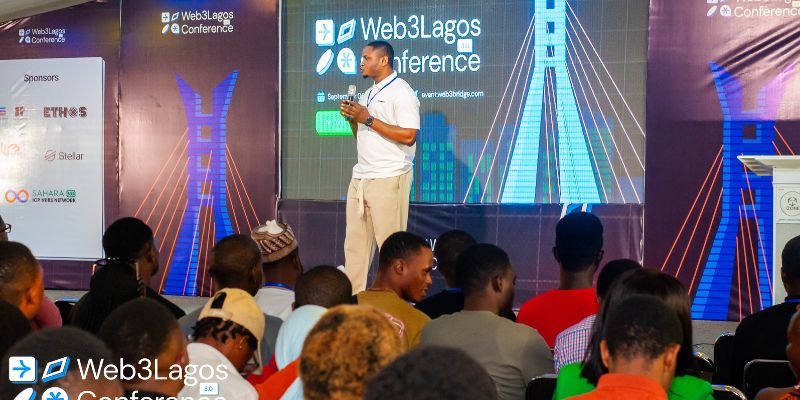
How Idris is ensuring Web3 Inclusion in Africa
As a pioneer in Africa’s Web3 movement, Idris believes that his biggest responsibility goes far beyond writing code. Today, he wears multiple hats as a software engineer, founder and developer relations expert committed to community advocacy.
“I think the biggest ethical responsibility we have is to be honest. The hype culture in Web3 can be dangerous. People lose money chasing promises that were never realistic. Pioneers need to speak truthfully about both the opportunities and the risks, especially when we’re talking to communities that can’t afford to lose what little they have,” he said.
He added that it’s important to build a Web3 community with local context in mind.
“What works in Silicon Valley won’t always work in Lagos or Kano. We need solutions that address real problems Nigerians face: remittances, financial inclusion, identity, access to global markets, not just copy-paste what’s trending elsewhere. If Web3 only benefits developers and early investors, we’ve failed. The goal should be generational impact,” Idris emphasised.
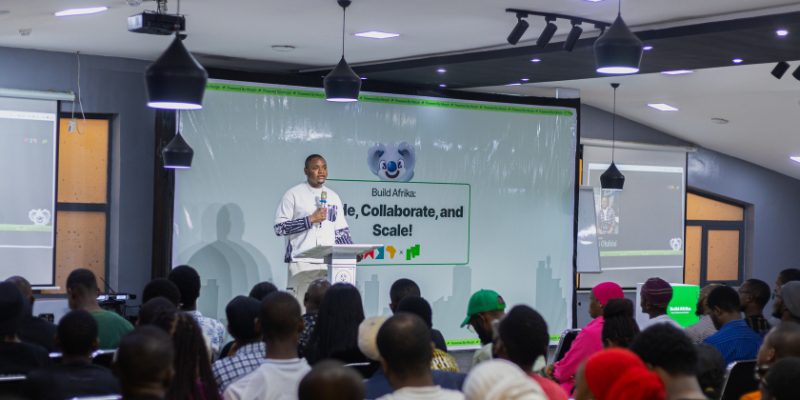
For Idris Olubisi, building Web3 Afrika has taught him that leadership isn’t about being the loudest voice in the room but about creating space for others to find theirs.
“When I started, I thought community building was about gathering people around an idea. But it’s really about listening, understanding what people actually need, and being willing to serve before you lead. The community has shaped me as much as I’ve shaped it,” he concluded.
Read also: Why Favour Onuoha is betting on blockchain education to train the next wave of Web3 leaders
You May Also Like

China’s rare-earth shipments to the US slip while overall exports increase

The US Solomon Islands (SOL) spot ETF saw a net inflow of $7.9852 million yesterday.