

Robinhood Lists LDO: A Bold Move for Mainstream DeFi Access
BitcoinWorld
Robinhood Lists LDO: A Bold Move for Mainstream DeFi Access
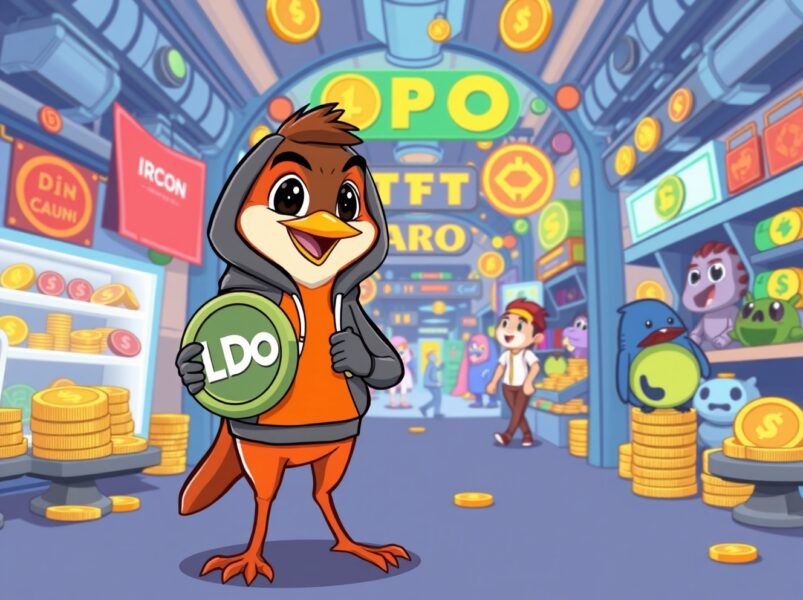
In a significant move for decentralized finance, the popular trading platform Robinhood has announced the listing of LDO for spot trading. This decision brings the governance token of the leading Ethereum staking protocol, Lido DAO, directly to millions of retail investors. For the first time, users can seamlessly buy, sell, and hold LDO alongside stocks and other cryptocurrencies on a single, user-friendly app. This integration marks a pivotal step in bridging the gap between traditional finance and the evolving world of DeFi.
Why Did Robinhood List LDO?
Robinhood’s decision to list LDO is not random. It reflects a strategic alignment with growing investor demand for exposure to Ethereum’s ecosystem. Lido Finance is the dominant liquid staking solution, allowing users to stake ETH while receiving stETH, a tradable token representing their stake. The LDO token governs this massive protocol. By making Robinhood lists LDO a reality, the platform taps into several key trends:
- Institutional and Retail Demand: There is increasing interest in assets that power fundamental DeFi infrastructure.
- Ethereum’s Post-Merge Landscape: Staking has become a core narrative, and Lido is a central player.
- Platform Expansion: Robinhood continues to diversify its crypto offerings beyond major coins like Bitcoin and Ethereum.
Therefore, this listing serves both user interest and Robinhood’s growth strategy in the competitive crypto brokerage space.
What Does This Mean for the Average Investor?
For the everyday user, the fact that Robinhood lists LDO simplifies access dramatically. Previously, acquiring LDO required using a dedicated cryptocurrency exchange, managing a self-custody wallet, and navigating DeFi interfaces. Now, it’s as straightforward as buying a stock. This lowers the technical barrier to entry, potentially introducing LDO to a vast new audience. However, investors should still understand what they are buying. The LDO token’s value is tied to the success and governance of the Lido DAO, not directly to the price of ETH.
What Are the Potential Benefits and Challenges?
This listing carries weight for both the platform and the token. The primary benefit is liquidity and accessibility. Millions of Robinhood users now have a frictionless on-ramp to a major DeFi governance token. This could drive significant trading volume and increase mainstream awareness of decentralized autonomous organizations (DAOs).
However, challenges exist. Centralized listings like this contrast with the decentralized ethos of DeFi. Users do not hold the private keys to their LDO on Robinhood, meaning they cannot use it to participate in Lido DAO governance directly on-chain. This creates a divide between token ownership and its utility.
How Could This Impact LDO and the DeFi Market?
The announcement that Robinhood lists LDO is already a positive signal for the market. It validates Lido’s position as a critical piece of crypto infrastructure. Increased accessibility often correlates with increased demand, which could positively influence the token’s market dynamics. Moreover, it sets a precedent. If LDO performs well on Robinhood, we may see the platform list other key DeFi governance tokens, further weaving DeFi into the fabric of mainstream investing.
Actionable Insights for Crypto Enthusiasts
If you’re considering this new trading option, here are a few points to ponder:
- Do Your Research: Understand that LDO is a governance token. Its value proposition differs from a direct asset like Bitcoin.
- Consider Your Goals: Are you seeking short-term trading or long-term exposure to Ethereum staking growth?
- Weigh Custody Options: For active governance participation, holding LDO in a self-custody wallet is necessary.
- Monitor Volume: Watch how trading develops to gauge mainstream adoption.
In conclusion, Robinhood’s move to list LDO is a landmark event. It democratizes access to a cornerstone of the DeFi ecosystem, signaling a maturation phase where complex crypto assets enter the mainstream brokerage world. While it introduces some philosophical tensions around custody, the net effect is a powerful boost for visibility and legitimacy. The ease with which millions can now access LDO may well accelerate the convergence of traditional and decentralized finance, making governance tokens a standard part of the modern investment portfolio.
Frequently Asked Questions (FAQs)
What is LDO?
LDO is the governance token for Lido DAO, the decentralized organization that runs Lido Finance, the largest liquid staking protocol for Ethereum.
Can I stake my ETH through Robinhood using LDO?
No. Listing LDO for trading does not mean Robinhood offers staking services through Lido. You are only trading the LDO governance token itself.
If I buy LDO on Robinhood, can I vote in Lido DAO proposals?
No. To participate in on-chain governance, you must hold your LDO in a compatible self-custody wallet (like MetaMask) and connect it to Lido’s governance platform.
Why is Robinhood listing LDO significant?
It brings a major DeFi governance token to a massive, mainstream audience, significantly lowering the barrier to entry and validating the asset class.
Are there fees for trading LDO on Robinhood?
Robinhood Crypto typically does not charge trading commission fees, but it earns through spread. Always check their latest fee schedule for details.
What are the risks of buying LDO?
Like all cryptocurrencies, LDO is volatile. Its value is also specifically tied to the usage, success, and governance decisions of the Lido DAO, introducing protocol-specific risks.
Found this breakdown of why Robinhood lists LDO helpful? Share this article with your network on Twitter or LinkedIn to spark a conversation about the future of DeFi and mainstream adoption!
To learn more about the latest Ethereum and DeFi trends, explore our article on key developments shaping Ethereum’s staking ecosystem and institutional adoption.
This post Robinhood Lists LDO: A Bold Move for Mainstream DeFi Access first appeared on BitcoinWorld.
You May Also Like

Cashing In On University Patents Means Giving Up On Our Innovation Future

Trump Reviews Candidates to Succeed Fed Chair Powell
