

Must Read
From ghost roads to pork barrel: A look into the Philippines' endless cycle of corruptionFrom ghost roads to pork barrel: A look into the Philippines' endless cycle of corruption
[OPINION] Major corruption scandals and cases from 1989: Where are they now?
Below is a list, by no means complete, of major corruption scandals and cases that the Philippines has experienced since 1989.
Many of these cases can be categorized under the RNC/EC category in the cycles of corruption that I tackled in a previous piece, or return to normal/end of cycle.
On the other hand, the cases of Senator Jinggoy Estrada, for example, in three corruption scandals (“juetengate,” pork barrel scam, and the current flood control corruption scandal) can be categorized between stages 3 and 4: indictment and prosecution or acquittal.
To repeat, the stages of a long corruption scandal cycle are:
- Uncovering and/or exposé
- Investigation
- Indictment and Prosecution
- Punishment or Acquittal
- Non-implementation/Reversal of Punishment or Pardon
- Rehabilitation and Relegitimation
- Return to Normal/End of cycle (RN/EC)
Ghost Road Projects (1989): Pre-jail pardon (RNC/EC: Return to normal/End of cycle). In 1989 and 1998, two divisions of the Sandiganbayan convicted Jaime Ponce de Leon for 27 counts of graft and sentenced him to a total of 203 years of imprisonment for conspiring with public highways officials in ghost road projects in Negros Oriental. Going into hiding, Ponce de Leon did not spend a day in jail. In 2007, he presented himself in court, declaring that he would voluntarily serve his sentence. A few hours before he was to begin his jail term, then president Gloria Macapagal Arroyo pardoned him.
PEA-Amari Scandal, 1995: No one charged (RN/EC: Return to normal/End of cycle). This involved the disadvantageous sale of public domain (reclaimed land in Manila Bay) to a private corporation in exchange for substantial bribes for the ruling party’s electoral campaign chest. Both then president Fidel Ramos and then speaker Jose de Venecia Jr. were implicated in the anomalous transaction. After conducting investigations, two Senate committees concluded that the deal was illegal. The Supreme Court later nullified it. No one, however, was charged and convicted of corruption in connection with it. Ombudsman Aniano Desierto cleared the president who appointed him, Ramos, of any liability.
Juetengate/Joseph Estrada Impeachment, 2000-2001 (Long cycle). President Joseph “Erap” Estrada was impeached by the House of Representatives for, among other charges, accepting millions of pesos in bribes from jueteng operators. When the impeachment trial took a crucial turn that indicated probable acquittal, a popular uprising broke out (EDSA 2), forcing Estrada to resign. A few months later, Estrada and his son Jinggoy (then the mayor of San Juan) were indicted for plunder, and their trial at the Sandiganbayan began. In September 2007, Joseph Estrada was found guilty of plunder, sentenced to life imprisonment and barred from public office. (He is the first and only national official to be convicted of plunder.) Six weeks later, President Arroyo granted former Erap Estrada executive clemency, declaring: “He is hereby restored to his civil and political rights.” He was freed from house arrest.Although the penalty for plunder includes perpetual absolute disqualification from holding public office, former President Estrada was allowed to run for president again in 2010. Estrada’s lawyers successfully argued before the Commission on Elections (Comelec) and the Supreme Court that the restoration of Estrada’s civil and political rights under Arroyo’s pardon included restoration of the right to run for public office again. Estrada lost the 2010 presidential election, but he won when he ran for mayor of Manila in 2013. Jinggoy Estrada, a senator at the time of his acquittal, ran for senator again three times, winning twice — in 2010 and 2022.
Fertilizer Fund scam, 2004: Some convictions but no convictions of ringleaders. The Fertilizer Fund scam consisted of the diversion of P728 million in agricultural funds to the 2004 election campaign of then president Gloria Macapagal Arroyo. The funds were supposed to be for a rollout of the Ginintuang Masaganang Ani (GMA) program that would provide support to small farmers for fertilizers and farm inputs. In 2011, the alleged mastermind, then-agriculture undersecretary Jocelyn “Jocjoc” Bolante, and then-agriculture secretary Luis Lorenzo were charged with plunder, and several other agriculture officials, with graft. The Ombudsman at the time, Conchita Carpio-Morales, rejected the inclusion of Arroyo in the case due to insufficiency of evidence. In 2016, the Sandiganbayan dismissed the charges against Bolante and his co-accused due to weak evidence (again!), then rejected the Ombudsman’s motion for reconsideration the following year. Bolante’s case has been taken to the Supreme Court. Dozens of local officials all over the country have been investigated and charged in connection with the scam. Several have been convicted, the most prominent among them being former Cagayan de Oro mayor (later congressman) Constantino Jaraula. In 2019, the Supreme Court revived the graft case against former Pampanga Governor Lito Lapid., who ran for senator for the third and fourth time in 2019 and 2025, emerging a winner on both occasions. Bolante ran for governor of Capiz in 2010, but lost, thus failing in his effort at rehabilitation and relegitimation.
Garcia ‘Plunder’ Scandal, 2005, and plea deal/military ‘pabaon’ scandal, 2010: No convictions. In 2005, retired Major General Carlos Garcia, his wife and three sons were charged by the Ombudsman at the time, Simeon Marcelo, with plunder for ill-gotten wealth totaling P303-million. What led to this was the arrest and detention of two of Garcia’s sons at San Francisco airport for illegally bringing in undeclared cash ($100,000). In 2010, Garcia entered into a plea agreement with Ombudsman Gutierrez, pleading guilty to the lesser crimes of indirect bribery and money laundering in lieu of plunder. (The controversial plea deal became one of the grounds for Gutierrez’s impeachment in 2011.) The Garcia plea bargain controversy triggered a Senate investigation into corruption in the Armed Forces of the Philippines (AFP) in general. This inquiry uncovered the pabaon system, involving hefty sendoff money — tens of millions of pesos — for retiring generals. One of the top-ranking generals implicated in the “pabaon” scheme, former AFP chief General Angelo Reyes, committed suicide. In 2012, the Department of Justice recommended that 11 retired and active-duty military officers and civilian officials be charged with plunder. Not one of them — in fact, no one at all — has been charged or convicted in connection with the 2010 AFP “pabaon” case. Garcia, himself a P165 million “pabaon” recipient, spent 17 years in jail for graft — not plunder — but this was in connection with the 2005 case. The case remains hanging as Garcia’s wife and three sons still face plunder charges.
Garcia ‘plunder’ scandal: Return to normal/endless cycle (RN/EC)
Military ‘pabaon scandal: Return to normal/endless cycle (RN/EC
NBN-ZTE Scandal, 2007: No convictions (RN/EC: Return to normal/Endless cycle). Allegations of corruption swirled in the awarding of a US$329 million construction contract to the Chinese telecommunications firm ZTE for building a National Broadband Network (NBN). The project was said to be overpriced by about $130 million to cover kickbacks. Amid the controversy, President Arroyo cancelled the NBN-ZTE contract. In late 2011, the Ombudsman indicted Arroyo, her husband Jose Miguel Arroyo, former Comelec chair Benjamin Abalos, and former transportation secretary Leandro Mendoza for graft. In 2016, the Sandiganbayan dropped all charges against them for insufficiency of evidence. In 2021, the Supreme Court barred former National Economic and Development Authority director general Romulo Neri (who had famously sought to “moderate the greed”) from government service after it found him guilty of misconduct in the NBN-ZTE affair and barred him from government service. Previously, Rodolfo Lozada Jr., the chief whistleblower in the NBN-ZTE scandal, had urged Neri not to allow himself to be the “fall guy.” Although the Supreme Court acknowledged that corruption had indeed been involved in the deal, not a single person has been put behind bars for it.
Euro generals scandal, 2008: No convictions (RN/EC: Return to normal/Endless cycle). Travelling to Russia for an Interpol conference, several senior officials of the Philippine National Police (PNP) led by comptroller Eliseo dela Paz were caught in Moscow carrying an undeclared 105,000 euros or P6.9 million in cash. The generals had tapped PNP intelligence funds for their travel allowance, thus drawing suspicion of corruption, money smuggling and misuse of state funds. The scandal triggered investigations by the Senate and the Ombudsman, and then charges. In 2019, the Sandiganbayan dismissed graft and technical malversation cases against the nine retired police officers in the Euro Generals scandal, citing insufficient evidence presented by state prosecutors. In 2022, the Sandiganbayan fined dela Paz P200,000 for failure to declare cash in excess of US$10,000 upon leaving the country. No one has been convicted in the Euro Generals case.
Malampaya Fund scandal I, 2008: Convictions (RNC/EC: Return to normal/Endless cycle). In 2008-2009, the provincial government of Palawan headed by then-governor Mario Joel Reyes, entered into over 200 contracts with various companies for P1.534 billion worth of infrastructure projects that were funded from the Malampaya natural gas project in the province. In 2017, Reyes and 41 others were charged in the Sandiganbayan for graft and falsification of public documents related to the contracts. In 2025, the Sandiganbayan convicted Reyes and several other provincial government officials and contractors for graft over the fraudulent projects. Found guilty of 11 counts of graft, Reyes was sentenced to six to ten years imprisonment for each count or a total of 66 to 110 years.
Malampaya Fund scandal II, 2009: Still at prosecution. After great devastation by floods and typhoons, Budget Secretary Rolando Andaya, Jr., requested P900 million from the Malampaya Fund for relief, rehabilitation and reconstruction. President Arroyo ordered the release of the said amount to the Department of Agrarian Reform (DAR) to implement assistance to beneficiaries. The P900 million ended up in bogus non-governmental organizations tied to Janet Lim-Napoles, with commissions and kickbacks allegedly distributed among some officials. In 2013, the National Bureau of Investigation filed plunder charges against former president Arroyo, Andaya, former executive secretary Eduardo Ermita, former agrarian reform secretary Nasser Pangandaman, Napoles, and many others in connection with the misuse of P900 million. In 2016 and 2017, Ombudsman Carpio-Morales dropped plunder charges against Arroyo and all the others, but filed graft charges against Andaya, Pangandaman and more than 20 others.
PCSO Fund Scandal, 2012: No convictions (RN/EC: Return to normal/Endless cycle). In July 2012, former president Arroyo and nine officials of the Philippine Charity Sweepstakes Office (PCSO) and the Commission on Audit were charged with plunder for misuse of P366 million in PCSO funds. Arroyo, then undergoing medical treatment, was put under hospital arrest. In July 2016, the Supreme Court acquitted Arroyo of plunder on the basis of insufficiency of evidence and ordered her immediate release. By May 2018, charges against all the others indicted for plunder in the PCSO case had been dismissed due to insufficiency of evidence. Former President Arroyo, who was implicated in the NBN/ZTE scandal and indicted but acquitted in the PCSO scandal ran for Pampanga representative five times and won each time. She even became House Speaker in 2018-19.
Offshore Wealth, 2013-21: No serious investigation (RN/EC: Return to normal/Endless cycle). Some Filipino public officials and their families or clans have been identified as having significant offshore holdings — possible undeclared and unexplained wealth — in exposés (Offshore Leaks, Panama Papers, Pandora Papers, etc.) by a global network of investigative journalists. Among them were Imee Marcos, Edgardo Angara, Juan Edgardo Angara, Win Gatchalian and some of their relatives, as well as JV Ejercito, Jamby Madrigal, Arthur Tugade and Andres Bautista. Many of those named simply issued press statements that did not fully explain their non- or mis-declarations nor the sources of their offshore wealth. Anti-corruption groups could not pursue further investigations due to lack of resources for tracking down the officials’ offshore dealings. Ombudsman Martires’ inane ruling that an official’s SALN can be viewed only with the official’s notarized consent certainly made things a lot easier for offshore wealth-holders.
Pork barrel scam, 2013: Convictions and acquittals. Exposed by a whistleblower, businesswoman Napoles and associates had connived with dozens of senators and congresspersons and some of their staffs in looting P10 billion through pork barrel allocations under the Priority Development Assistance Fund (PDAF). Napoles and the corrupt legislators had made use of a network of fake non-governmental organizations (NGOs) and ghost projects. Napoles and Richard Cambe were meted life imprisonment for plunder and other corruption-related charges, and many others, lighter sentences for graft. Mind-bogglingly, however, not a single senator or congressperson has been jailed for plunder. Among those cleared of plunder are Senator Jinggoy Estrada and former senators Juan Ponce Enrile and Ramon Revilla, Jr. and former representative Rizalina Seachon-Lanete. Those convicted of lesser charges include: Jinggoy and former representatives Rozzano Rufino Biazon, Gregorio Ipong, Constantino Jaraula, Reno Lim, Candido Pancrudo, Arrel Olaño, Edgar Valdez, and Rodolfo Valencia. Representative Marc Douglas Cagas IV plea-bargained, admitted to lesser offenses, paid restitution and got probation instead of a stint in jail. Former representatives Samuel Dangwa and Douglas Cagas (Marc Douglas’ father) passed away before the Sandiganbayan could issue a verdict on their PDAF indictments. Cambe, Senator Revilla’s former staff, died in prison.
In 2016, Ombudsman Carpio-Morales ordered Senator Joel Villanueva’s dismissal from public service for misuse of his pork barrel allocation. The Senate refused to implement Carpio-Morales’ order, insisting that Congress had the sole prerogative to discipline its own members. In 2019, Ombudsman Martires reversed Carpio-Morales’ 2016 decision without making any public announcement about it.
As pointed out in an earlier article, 15 politicians indicted or even convicted in the PDAF scam sought to return to public office, 14 of them by running for office, and three becoming Cabinet members.Senator Jinggoy Estrada and Congressman Arrel Olaño were among those convicted in the PDAF scam who still ran for public office after the PDAF exposé. Jinggoy won, but Olaño lost. Among those indicted (but not convicted) who were still elected to office were Senators Revilla and Villanueva, and Representatives Douglas Cagas, Conrado Estrella III, Robert Raymundo Estrella, Arthur Pingoy Jr. and Rufus Rodriguez. Appointed to Cabinet positions were Estrella III and former Senators Enrile and Gregorio Honasan. North Cotabato Vice Governor Gregorio Ipong and Davao del Sur Vice Governor Marc Douglas Cagas IV were forced to vacate their posts as courts ruled that their penalties in the PDAF case included perpetual disqualification from public office. It is unclear if Muntinlupa Mayor Rozzano Rufino Biazon, recently convicted of graft in the PDAF scam, will suffer the same fate as Ipong and Cagas.
DAP controversy, 2014: Cleared of all charges. The Disbursement Acceleration Program (DAP) was a budget mechanism used by President Benigno Aquino III and his budget secretary Florencio Abad to spur economic growth by reallocating unspent funds (reportedly involving P172 billion) from various government agencies to priority projects. In 2014, the Supreme Court declared such action as unconstitutional, asserting that only Congress had the authority to appropriate public funds. Some opposition legislators accused Aquino of using DAP funds as pork barrel just like PDAF. Ombudsman Carpio-Morales indicted Aquino and Abad for usurpation of legislative powers in 2018. However, in 2023. Ombudsman Martires cleared Aquino (who had passed away in 2021) and Abad from all charges related to DAP, finding no probable cause for their alleged usurpation of legislative powers.
Ilocos Norte Tobacco Excise Tax Funds scandal, 2017: No one charged (RNC/EC?: Return to normal/Endless cycle). After conducting an investigation, the House of Representatives recommended filing administrative and criminal charges against then Governor Imee Marcos and other local officials for the misuse of P66.45 million in tobacco excise tax funds. In 2018, the OMB under Conchita Carpio-Morales opened its own investigation. No one has been indicted. The case now appears to be in limbo. Imee, cited in the Panama Papers and the principal implicated in the Tobacco Excise Tax Funds scandal, ran for senator in 2019 and 2025 and won both times.
Imelda Marcos conviction, 2018: Non-implementation of sentence (RN/EC: Return to normal/Endless cycle). The Sandiganbayan convicted former first lady Imelda Marcos of seven counts of graft for corrupt acts she committed as a government official from 1968 to 1986. The former first lady was sentenced to prison for 6 years and 1 month to 11 years for each case. She appealed to the Supreme Court. Her sentence remains un-implemented.
UC-Malampaya scandal, 2019: Still at prosecution. In 2019, then energy secretary Alfonso Cusi approved a controversial $565-million transaction that enabled Udenna Corporation, owned by Dennis Uy, a close ally of President Duterte, to acquire 45% stake in the Malampaya gas project even though the company lacked technical and financial capabilities. In 2022, Ombudsman Martires dismissed the graft complaint against Cusi and several other former officials of the Department of Energy for insufficiency of evidence, but reversed his decision in 2024. Cusi and four others were formally charged with graft at the Sandiganbayan in August 2025.
Pastillas scandal, 2020: Dismissals, reversals and reappointment. This involved Bureau of Immigration officials accepting bribes — in cash wrapped like pastillas candy — to allow Chinese nationals, many linked to online gaming, to enter the country without proper documentation. It is estimated that the bribery scheme’s masterminds amassed P40 billion from it. In 2022, the OMB indicted 43 people, including immigration officials, over the pastillas scheme. The Department of Justice ordered the dismissal of 18 officers and employees of the Bureau of Immigration (BI) administratively liable in the scheme. The ringleaders of the pastillas scheme have yet to be identified. The administrative sanctions against some BI officials have been reversed or lightened. Last year, in a controversial reversal, Vincent Bryan Allas, who was among those dismissed in 2022, was appointed acting chief of the BI Border Control and Intelligence Unit.
Philhealth Scandal, 2020: No one charged. A whistleblower — a former legal officer — accused Philhealth officials of pilfering P15 billion in funds through anomalous transactions. Senate and House committees conducted their own probes and recommended the filing of administrative and criminal charges against Health Secretary Francisco Duque and other top Philhealth officials. After President Rodrigo Duterte expressed “full trust” in Duque, the Department of Justice excluded the latter from the list of chargeable officials it submitted to the Ombudsman. Some health officials (not Duque) resigned or were suspended for several months. The Ombudsman’s investigation has dragged on without much progress. Even after more than five years, no one has been charged.
Pharmally Scandal, 2021: Still at prosecution (Stage 3, indictment and prosecution). As unearthed by the Senate Blue Ribbon Committee, this scandal involved overpriced and substandard medical supplies, a relatively unknown contractor with small capital (Pharmally Pharmaceutical), and misuse of public funds — between P11 billlion to P47 billion — in the midst of the COVID-19 pandemic. After much dilly-dallying under Ombudsman Martires, the case appears to have been given a shot in the arm under Ombudsman Jesus Crispin Remulla with arrest warrants issued against former health secretary Francisco Duque III and Christopher Lao, the former officer-in-charge of the Department of Budget and Management-Procurement Service, in September last year. Both posted bail. Recently, Remulla announced that he was reconfiguring the Pharmally case, as he deemed that the initial pleadings made before he assumed the Ombudsmanship were hastily done and flawed.
Sara Duterte Impeachment, 2025: Impeachment judged unconstitutional (Stage 3, indictment, to Stage 2, investigation). The House of Representatives impeached Vice President Sara Duterte on various charges, including misusing confidential funds amounting to at least P254.898 million, bribing former education department officials and amassing P2 billion in “hidden wealth.” The impeachment trial at the Senate was supposed to begin shortly afterwards. The Supreme Court ruled, however, that the House action was unconstitutional on the grounds that it had violated a constitutional ban on more than one impeachment proceeding against the same official within a year. Any subsequent impeachment complaint may only be filed starting in February 2026. – Rappler.com
Nathan Gilbert Quimpo, who has retired from teaching Political Science and International Relations at the University of Tsukuba, Japan, taught an online course on “Corruption” at the Ateneo de Manila University last year and earlier this year. He is now based in Amsterdam, the Netherlands.
Market Opportunity
Major Price(MAJOR)
$0,11252
$0,11252$0,11252
USD
Major (MAJOR) Live Price Chart
Disclaimer: The articles reposted on this site are sourced from public platforms and are provided for informational purposes only. They do not necessarily reflect the views of MEXC. All rights remain with the original authors. If you believe any content infringes on third-party rights, please contact service@support.mexc.com for removal. MEXC makes no guarantees regarding the accuracy, completeness, or timeliness of the content and is not responsible for any actions taken based on the information provided. The content does not constitute financial, legal, or other professional advice, nor should it be considered a recommendation or endorsement by MEXC.
You May Also Like
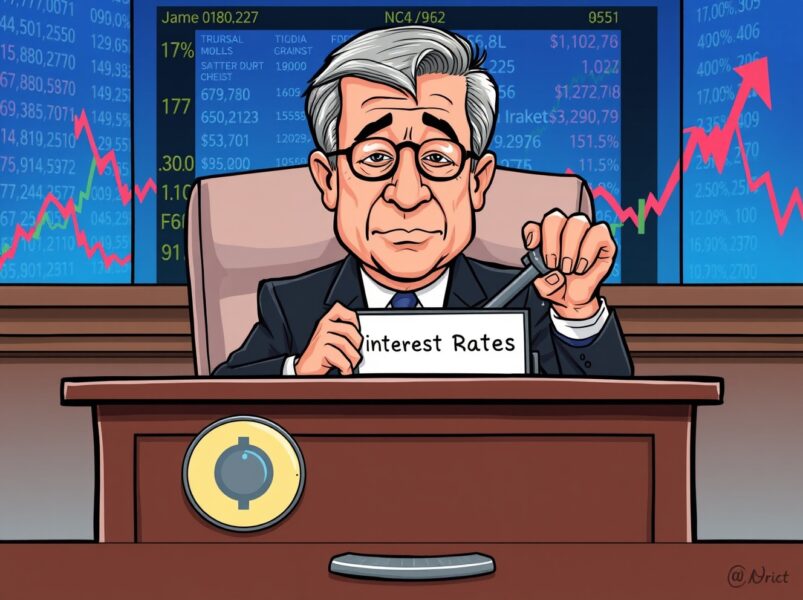
Crucial Fed Rate Cut: Powell’s Bold Risk Management Move Explained
BitcoinWorld Crucial Fed Rate Cut: Powell’s Bold Risk Management Move Explained In a significant development for global financial markets, Federal Reserve Chair Jerome Powell recently described the latest Fed rate cut as a critical risk management measure. This statement immediately captured the attention of investors, economists, and especially those in the dynamic cryptocurrency space. Understanding Powell’s rationale and the potential implications of this move is essential for navigating today’s complex economic landscape. What Exactly is a Fed Rate Cut and Why Does it Matter? A Fed rate cut refers to the Federal Reserve lowering the target range for the federal funds rate. This is the interest rate at which commercial banks borrow and lend their excess reserves to each other overnight. When the Fed lowers this rate, it typically makes borrowing cheaper across the entire economy. This decision impacts everything from mortgage rates to business loans. The Fed uses interest rates as a primary tool to influence economic activity, aiming to achieve maximum employment and stable prices. A lower rate often stimulates spending and investment, but it can also signal concerns about economic slowdown. Key reasons for a rate cut often include: Slowing economic growth or recession fears. Low inflation or deflationary pressures. Global economic instability impacting domestic markets. A desire to provide more liquidity to the financial system. Powell’s emphasis on ‘risk management’ suggests a proactive approach. The Fed is not just reacting to current data but also anticipating potential future challenges. They are essentially trying to prevent a worse economic outcome by adjusting policy now. How Does a Fed Rate Cut Influence the Broader Economy? When the Federal Reserve implements a Fed rate cut, it sends ripples throughout the financial world. For traditional markets, lower interest rates generally mean: Boost for Stocks: Companies can borrow more cheaply, potentially increasing profits and stock valuations. Investors might also move money from lower-yielding bonds into equities. Cheaper Borrowing: Consumers and businesses enjoy lower rates on loans, from mortgages to credit cards, encouraging spending and investment. Weaker Dollar: Lower rates can make a country’s currency less attractive to foreign investors, potentially leading to a weaker dollar. Bond Market Shifts: Existing bonds with higher yields become more attractive, while newly issued bonds will have lower yields. This shift in monetary policy aims to inject confidence and liquidity into the system, countering potential economic headwinds. However, there’s always a delicate balance to strike, as too much stimulus can lead to inflationary pressures down the line. What Does This Fed Rate Cut Mean for Cryptocurrency Investors? The impact of a Fed rate cut on the cryptocurrency market is often a topic of intense discussion. While crypto assets operate independently of central banks, they are not immune to broader macroeconomic forces. Here’s how a rate cut can play out: Increased Risk Appetite: With traditional savings and bond yields potentially lower, investors might seek higher returns in riskier assets, including cryptocurrencies like Bitcoin and Ethereum. Inflation Hedge Narrative: Some view cryptocurrencies, particularly Bitcoin, as a hedge against inflation and traditional currency debasement. If a rate cut leads to concerns about inflation, this narrative could gain traction. Liquidity Influx: A more accommodative monetary policy can increase overall liquidity in the financial system, some of which may flow into digital assets. Dollar Weakness: A weaker dollar, a potential consequence of rate cuts, can sometimes make dollar-denominated assets like crypto more appealing to international investors. However, it’s crucial to remember that the crypto market also has its unique drivers, including technological developments, regulatory news, and market sentiment. While a Fed rate cut can provide a tailwind, it’s not the sole determinant of crypto performance. Navigating the New Landscape: Actionable Insights for Crypto Investors Given the Federal Reserve’s stance on risk management through a Fed rate cut, what steps can crypto investors consider? Stay Informed: Keep a close watch on further Fed announcements and economic data. Understanding the broader macroeconomic picture is vital. Diversify Your Portfolio: While a rate cut might favor risk assets, a balanced portfolio that includes a mix of traditional and digital assets can help mitigate volatility. Long-Term Perspective: Focus on the fundamental value and long-term potential of your chosen cryptocurrencies rather than short-term fluctuations driven by macro news. Assess Risk Tolerance: Re-evaluate your personal risk tolerance in light of potential market shifts. Lower rates can encourage speculation, but prudence remains key. Powell’s description of the Fed rate cut as a risk management measure highlights the central bank’s commitment to maintaining economic stability. For cryptocurrency enthusiasts, this move underscores the increasing interconnectedness of traditional finance and the digital asset world. While a rate cut can create opportunities, a thoughtful and informed approach is always the best strategy. Frequently Asked Questions (FAQs) What exactly is a Fed rate cut? A Fed rate cut is when the Federal Reserve lowers its target for the federal funds rate, which is the benchmark interest rate banks charge each other for overnight lending. This action makes borrowing cheaper across the economy, aiming to stimulate economic activity. Why did Powell emphasize “risk management” for this Fed rate cut? Jerome Powell emphasized “risk management” to indicate that the Fed was proactively addressing potential economic slowdowns or other future challenges. It suggests a preventative measure to safeguard against adverse economic conditions rather than merely reacting to existing problems. How does a Fed rate cut typically affect the crypto market? A Fed rate cut can make traditional investments less attractive due to lower yields, potentially driving investors towards higher-risk, higher-reward assets like cryptocurrencies. It can also increase overall market liquidity and strengthen the narrative of crypto as an inflation hedge. Should crypto investors change their strategy after a rate cut? While a rate cut can influence market dynamics, crypto investors should primarily focus on their long-term strategy, fundamental research, and risk tolerance. It’s wise to stay informed about macroeconomic trends but avoid making impulsive decisions based solely on a single policy change. What are the potential downsides of a Fed rate cut? Potential downsides include increased inflationary pressures if the economy overheats, a weaker national currency, and the possibility of creating asset bubbles as investors chase higher returns in riskier markets. It can also signal underlying concerns about economic health. Did you find this article insightful? Share your thoughts and help others understand the implications of the Fed’s latest move! Follow us on social media for more real-time updates and expert analysis. To learn more about the latest crypto market trends, explore our article on key developments shaping Bitcoin’s price action. This post Crucial Fed Rate Cut: Powell’s Bold Risk Management Move Explained first appeared on BitcoinWorld.
Share
Coinstats2025/09/18 16:40

Motive Files Registration Statement for Proposed Initial Public Offering
SAN FRANCISCO–(BUSINESS WIRE)–Motive Technologies, Inc., the AI platform for physical operations, today announced that it has filed a registration statement on
Share
AI Journal2025/12/24 07:00

New Gold Protocol's NGP token was exploited and attacked, resulting in a loss of approximately $2 million.
PANews reported on September 18th that according to Paidun monitoring, New Gold Protocol's NGP token was exploited in an attack, resulting in a loss of approximately $2 million. The NGP token plummeted 88% in an hour, and the attacker deposited the stolen funds (443.8 ETH) into TornadoCash.
Share
PANews2025/09/18 11:10