In this Article about DeFi Application Development: Future of Layer 2 Solutions.DeFi Application Development: Future of Layer 2 Solutions Introduction Decentralized Finance (DeFi) has quickly emerged as one of the most powerful industries in the blockchain industry providing clients with an alternative to the conventional financial ecosystem. But with this expansion are problems of network congestion, high transaction costs and scalability. It is here that Layer 2 solutions come in as the win-changer to the DeFi applications development platform. Overview of DeFi Applications Decentralized Finance (DeFi) apps are changing how individuals engage with financial services by eliminating the use of traditional banks and intermediaries. These applications are developed on blockchain networks and are powered by smart contracts that are automatically executed to carry out transactions securely and transparently, and they are tamper-proof. DeFi applications include a broad spectrum of financial operations including lending, borrowing, staking, yield farming, insurance, payments, and decentralized trading through DEXs (Decentralized Exchanges). They enable users to use their crypto wallets to access services in contrast to the traditional system, which was limited to global participation due to credit checks, and geographical boundaries. Applications in Stablecoins Stablecoins are also popular in DeFi to mitigate volatility and conduct smoother transactions, rendering such applications accessible to daily use. The uniqueness of DeFi applications lies in their inclusivity because they offer financial opportunities to anyone that has the internet access and also offer the user full access to their assets. Developers keep developing DeFi through new models such as liquidity pools, automated market makers and cross-chain solutions, which are pushing the limits of decentralized finance forward. More generally, DeFi applications can be viewed as the next leap of evolution in transforming the global financial ecosystem and making it more transparent, effective, and accessible than ever. Read this Blog to know more — What is Decentralized Finance Future of Layer 2 Solutions in DeFi Application Mass Adoption of DeFi The mass adoption will be promoted by layer 2 solutions as transactions will be made faster and cost-efficient. This will eliminate obstacles between end users and companies. Consequently, DeFi will be able to reach a wider audience around the world. 2. Cross-Chain Interoperability The next-generation Layer 2 networks will allow the flawless interconnection between various blockchains. This will enable users to easily move assets across ecosystems. Interoperability will establish a harmonised DeFi environment. 3. Advanced DeFi Use Cases The developers are able to create new DeFi applications with lower cost and greater scalability. Defi usecases, Such attributes as micro-lending, immediate payments, and live trading will prosper. This will increase the area of DeFi beyond conventional finance. 4. Integration with AI and Automation AI automation in DeFi will be alongside layer 2 solutions. Such a combination will strengthen risk-management, security, and intelligent contract execution. Better financial services will be made smarter and safer to users. 5. Institutional Adoption Financial institutions will have a higher chance of using Layer 2 to implement DeFi systems. Reduced transaction cost and enhanced scalability address the needs of the enterprise. This will be the linkage between conventional finance and DeFi. Why Layer 2 is Essential for DeFi Applications Scalability — Layer 2 solutions are based on a reduced load on the base blockchain, which enables thousands of transactions per second. Reduced Transactions Costs — It is possible to present to DeFi environments at a fraction of what it would cost to transact on Layer 1. Enhanced User Experience-Quick and more cost-effective operations make DeFi more appealing to novices and companies. Enabling Innovation — Developers have the ability to create sophisticated DeFi applications such as micro-lending, instant payments and cross-chain swaps. Popular Layer 2 Solutions in DeFi Zero-Knowledge Rollups Optimistic Rollups Sidechains Plasma State Channels Conclusion The emergence of DeFi apps has created opportunities, though has caused challenges around scalability and efficiency of individual transactions. The future of DeFi is based on Layer 2 solutions that will help make financial interactions faster, cheaper, and more secure. Developers and businesses adopting Layer 2 into DeFi applications as blockchain utilization gains momentum will be at the forefront of the more inclusive, accessible and efficient financial system. DeFi Application Development: Future of Layer 2 Solutions was originally published in Coinmonks on Medium, where people are continuing the conversation by highlighting and responding to this storyIn this Article about DeFi Application Development: Future of Layer 2 Solutions.DeFi Application Development: Future of Layer 2 Solutions Introduction Decentralized Finance (DeFi) has quickly emerged as one of the most powerful industries in the blockchain industry providing clients with an alternative to the conventional financial ecosystem. But with this expansion are problems of network congestion, high transaction costs and scalability. It is here that Layer 2 solutions come in as the win-changer to the DeFi applications development platform. Overview of DeFi Applications Decentralized Finance (DeFi) apps are changing how individuals engage with financial services by eliminating the use of traditional banks and intermediaries. These applications are developed on blockchain networks and are powered by smart contracts that are automatically executed to carry out transactions securely and transparently, and they are tamper-proof. DeFi applications include a broad spectrum of financial operations including lending, borrowing, staking, yield farming, insurance, payments, and decentralized trading through DEXs (Decentralized Exchanges). They enable users to use their crypto wallets to access services in contrast to the traditional system, which was limited to global participation due to credit checks, and geographical boundaries. Applications in Stablecoins Stablecoins are also popular in DeFi to mitigate volatility and conduct smoother transactions, rendering such applications accessible to daily use. The uniqueness of DeFi applications lies in their inclusivity because they offer financial opportunities to anyone that has the internet access and also offer the user full access to their assets. Developers keep developing DeFi through new models such as liquidity pools, automated market makers and cross-chain solutions, which are pushing the limits of decentralized finance forward. More generally, DeFi applications can be viewed as the next leap of evolution in transforming the global financial ecosystem and making it more transparent, effective, and accessible than ever. Read this Blog to know more — What is Decentralized Finance Future of Layer 2 Solutions in DeFi Application Mass Adoption of DeFi The mass adoption will be promoted by layer 2 solutions as transactions will be made faster and cost-efficient. This will eliminate obstacles between end users and companies. Consequently, DeFi will be able to reach a wider audience around the world. 2. Cross-Chain Interoperability The next-generation Layer 2 networks will allow the flawless interconnection between various blockchains. This will enable users to easily move assets across ecosystems. Interoperability will establish a harmonised DeFi environment. 3. Advanced DeFi Use Cases The developers are able to create new DeFi applications with lower cost and greater scalability. Defi usecases, Such attributes as micro-lending, immediate payments, and live trading will prosper. This will increase the area of DeFi beyond conventional finance. 4. Integration with AI and Automation AI automation in DeFi will be alongside layer 2 solutions. Such a combination will strengthen risk-management, security, and intelligent contract execution. Better financial services will be made smarter and safer to users. 5. Institutional Adoption Financial institutions will have a higher chance of using Layer 2 to implement DeFi systems. Reduced transaction cost and enhanced scalability address the needs of the enterprise. This will be the linkage between conventional finance and DeFi. Why Layer 2 is Essential for DeFi Applications Scalability — Layer 2 solutions are based on a reduced load on the base blockchain, which enables thousands of transactions per second. Reduced Transactions Costs — It is possible to present to DeFi environments at a fraction of what it would cost to transact on Layer 1. Enhanced User Experience-Quick and more cost-effective operations make DeFi more appealing to novices and companies. Enabling Innovation — Developers have the ability to create sophisticated DeFi applications such as micro-lending, instant payments and cross-chain swaps. Popular Layer 2 Solutions in DeFi Zero-Knowledge Rollups Optimistic Rollups Sidechains Plasma State Channels Conclusion The emergence of DeFi apps has created opportunities, though has caused challenges around scalability and efficiency of individual transactions. The future of DeFi is based on Layer 2 solutions that will help make financial interactions faster, cheaper, and more secure. Developers and businesses adopting Layer 2 into DeFi applications as blockchain utilization gains momentum will be at the forefront of the more inclusive, accessible and efficient financial system. DeFi Application Development: Future of Layer 2 Solutions was originally published in Coinmonks on Medium, where people are continuing the conversation by highlighting and responding to this story

DeFi Application Development: Future of Layer 2 Solutions

2025/09/08 21:40
4 min read

In this Article about DeFi Application Development: Future of Layer 2 Solutions.

DeFi Application Development: Future of Layer 2 Solutions

Introduction

Decentralized Finance (DeFi) has quickly emerged as one of the most powerful industries in the blockchain industry providing clients with an alternative to the conventional financial ecosystem. But with this expansion are problems of network congestion, high transaction costs and scalability.

It is here that Layer 2 solutions come in as the win-changer to the DeFi applications development platform.

Overview of DeFi Applications

Decentralized Finance (DeFi) apps are changing how individuals engage with financial services by eliminating the use of traditional banks and intermediaries. These applications are developed on blockchain networks and are powered by smart contracts that are automatically executed to carry out transactions securely and transparently, and they are tamper-proof.

DeFi applications include a broad spectrum of financial operations including

  • lending,
  • borrowing,
  • staking,
  • yield farming,
  • insurance,
  • payments, and
  • decentralized trading through DEXs (Decentralized Exchanges).

They enable users to use their crypto wallets to access services in contrast to the traditional system, which was limited to global participation due to credit checks, and geographical boundaries.

Applications in Stablecoins Stablecoins are also popular in DeFi to mitigate volatility and conduct smoother transactions, rendering such applications accessible to daily use. The uniqueness of DeFi applications lies in their inclusivity because they offer financial opportunities to anyone that has the internet access and also offer the user full access to their assets.

Developers keep developing DeFi through new models such as liquidity pools, automated market makers and cross-chain solutions, which are pushing the limits of decentralized finance forward.

More generally, DeFi applications can be viewed as the next leap of evolution in transforming the global financial ecosystem and making it more transparent, effective, and accessible than ever.

Read this Blog to know more — What is Decentralized Finance

Future of Layer 2 Solutions in DeFi Application

  1. Mass Adoption of DeFi

The mass adoption will be promoted by layer 2 solutions as transactions will be made faster and cost-efficient. This will eliminate obstacles between end users and companies. Consequently, DeFi will be able to reach a wider audience around the world.

2. Cross-Chain Interoperability

The next-generation Layer 2 networks will allow the flawless interconnection between various blockchains. This will enable users to easily move assets across ecosystems. Interoperability will establish a harmonised DeFi environment.

3. Advanced DeFi Use Cases

The developers are able to create new DeFi applications with lower cost and greater scalability. Defi usecases, Such attributes as micro-lending, immediate payments, and live trading will prosper. This will increase the area of DeFi beyond conventional finance.

4. Integration with AI and Automation

AI automation in DeFi will be alongside layer 2 solutions. Such a combination will strengthen risk-management, security, and intelligent contract execution. Better financial services will be made smarter and safer to users.

5. Institutional Adoption

Financial institutions will have a higher chance of using Layer 2 to implement DeFi systems. Reduced transaction cost and enhanced scalability address the needs of the enterprise. This will be the linkage between conventional finance and DeFi.

Why Layer 2 is Essential for DeFi Applications

  1. Scalability — Layer 2 solutions are based on a reduced load on the base blockchain, which enables thousands of transactions per second.
  2. Reduced Transactions Costs — It is possible to present to DeFi environments at a fraction of what it would cost to transact on Layer 1.
  3. Enhanced User Experience-Quick and more cost-effective operations make DeFi more appealing to novices and companies.
  4. Enabling Innovation — Developers have the ability to create sophisticated DeFi applications such as micro-lending, instant payments and cross-chain swaps.
  • Zero-Knowledge Rollups
  • Optimistic Rollups
  • Sidechains
  • Plasma
  • State Channels

Conclusion

The emergence of DeFi apps has created opportunities, though has caused challenges around scalability and efficiency of individual transactions. The future of DeFi is based on Layer 2 solutions that will help make financial interactions faster, cheaper, and more secure.

Developers and businesses adopting Layer 2 into DeFi applications as blockchain utilization gains momentum will be at the forefront of the more inclusive, accessible and efficient financial system.


DeFi Application Development: Future of Layer 2 Solutions was originally published in Coinmonks on Medium, where people are continuing the conversation by highlighting and responding to this story.

Market Opportunity
DeFi Logo
DeFi Price(DEFI)
$0.000323
$0.000323$0.000323
+2.53%
USD
DeFi (DEFI) Live Price Chart
Disclaimer: The articles reposted on this site are sourced from public platforms and are provided for informational purposes only. They do not necessarily reflect the views of MEXC. All rights remain with the original authors. If you believe any content infringes on third-party rights, please contact service@support.mexc.com for removal. MEXC makes no guarantees regarding the accuracy, completeness, or timeliness of the content and is not responsible for any actions taken based on the information provided. The content does not constitute financial, legal, or other professional advice, nor should it be considered a recommendation or endorsement by MEXC.

You May Also Like

Ethereum unveils roadmap focusing on scaling, interoperability, and security at Japan Dev Conference
Ethereum unveils roadmap focusing on scaling, interoperability, and security at Japan Dev Conference

The post Ethereum unveils roadmap focusing on scaling, interoperability, and security at Japan Dev Conference appeared on BitcoinEthereumNews.com. Key Takeaways Ethereum’s new roadmap was presented by Vitalik Buterin at the Japan Dev Conference. Short-term priorities include Layer 1 scaling and raising gas limits to enhance transaction throughput. Vitalik Buterin presented Ethereum’s development roadmap at the Japan Dev Conference today, outlining the blockchain platform’s priorities across multiple timeframes. The short-term goals focus on scaling solutions and increasing Layer 1 gas limits to improve transaction capacity. Mid-term objectives target enhanced cross-Layer 2 interoperability and faster network responsiveness to create a more seamless user experience across different scaling solutions. The long-term vision emphasizes building a secure, simple, quantum-resistant, and formally verified minimalist Ethereum network. This approach aims to future-proof the platform against emerging technological threats while maintaining its core functionality. The roadmap presentation comes as Ethereum continues to compete with other blockchain platforms for market share in the smart contract and decentralized application space. Source: https://cryptobriefing.com/ethereum-roadmap-scaling-interoperability-security-japan/
Share
BitcoinEthereumNews2025/09/18 00:25
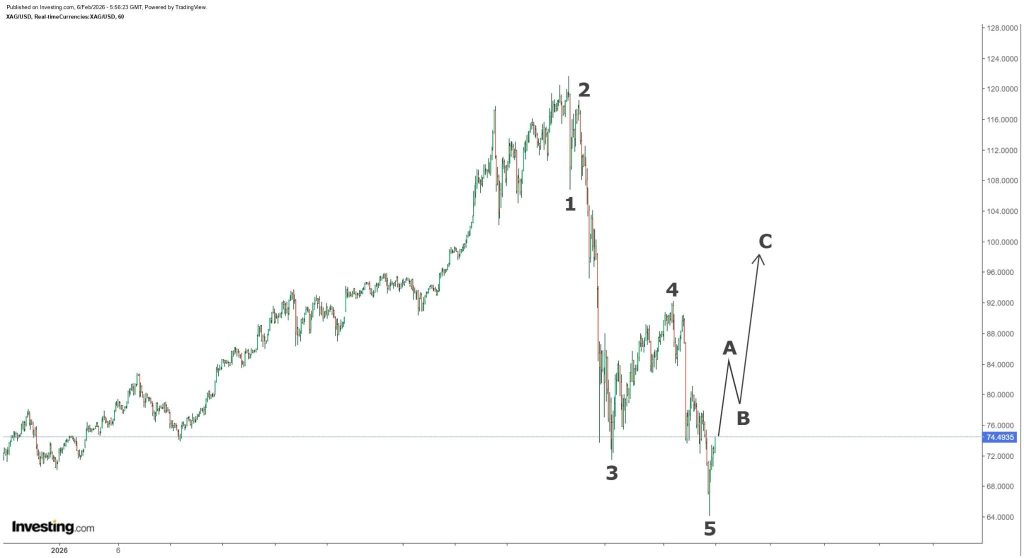
Silver Price Crash Is Over “For Real This Time,” Analyst Predicts a Surge Back Above $90

Silver Price Crash Is Over “For Real This Time,” Analyst Predicts a Surge Back Above $90

Silver has been taking a beating lately, and the Silver price hasn’t exactly been acting like a safe haven. After running up into the highs, the whole move reversed
Share
Captainaltcoin2026/02/07 03:15
Tapzi is Investors’ 1000x Pick in Volatile Market

Tapzi is Investors’ 1000x Pick in Volatile Market

The post Tapzi is Investors’ 1000x Pick in Volatile Market appeared on BitcoinEthereumNews.com. Crypto News 18 September 2025 | 00:05 Bitcoin swings after CPI data release as Tapzi’s presale gains momentum, emerging as a top crypto project in 2025. The crypto market moved sharply last week after the release of US Consumer Price Index (CPI) data. Bitcoin, the largest digital asset, reacted within minutes of the announcement, recording rapid swings before settling back near earlier levels.  At the same time, presale projects continued to attract investors, with Tapzi emerging as one of the most-watched tokens this month. It is being picked by investors as the next crypto to explode due to its high-growth potential in Tier 1 and Tier 2 countries, with Web3 gaming’s increasing adoption. Tapzi Presale Draws Attention While Bitcoin reacted to economic data, Tapzi’s presale has become a focal point among both retail and larger investors. Tapzi is a Web3 gaming platform designed to merge competitive gameplay with blockchain-based settlements. Players stake TAPZI tokens in head-to-head matches of chess, checkers, rock-paper-scissors, and tic-tac-toe. Winners receive tokens directly from prize pools funded by players, not by inflationary rewards. Don’t Watch the Wave – Ride It With $TAPZI! The presale opened with tokens priced at $0.0035. More than 27 million tokens have already been sold, with prices set to increase in each new stage. Analysts following the sale point to potential gains of around 300% once TAPZI lists on exchanges later this year. Liquidity locks and vesting schedules are in place to reduce the risks of sharp sell-offs after launch. This has placed Tapzi on the radar of investors searching for the best crypto to buy now. Bitcoin Price Reacts to CPI Last week, Bitcoin climbed toward $114,000 before jumping to $114,500, its highest level in weeks. The gains were short-lived as the price quickly dropped by $1,000. At press time, Bitcoin…
Share
BitcoinEthereumNews2025/09/18 06:26