

CFTC and DOJ Sue Minnesota Over Prediction Market Ban, Citing Federal Authority
BitcoinWorld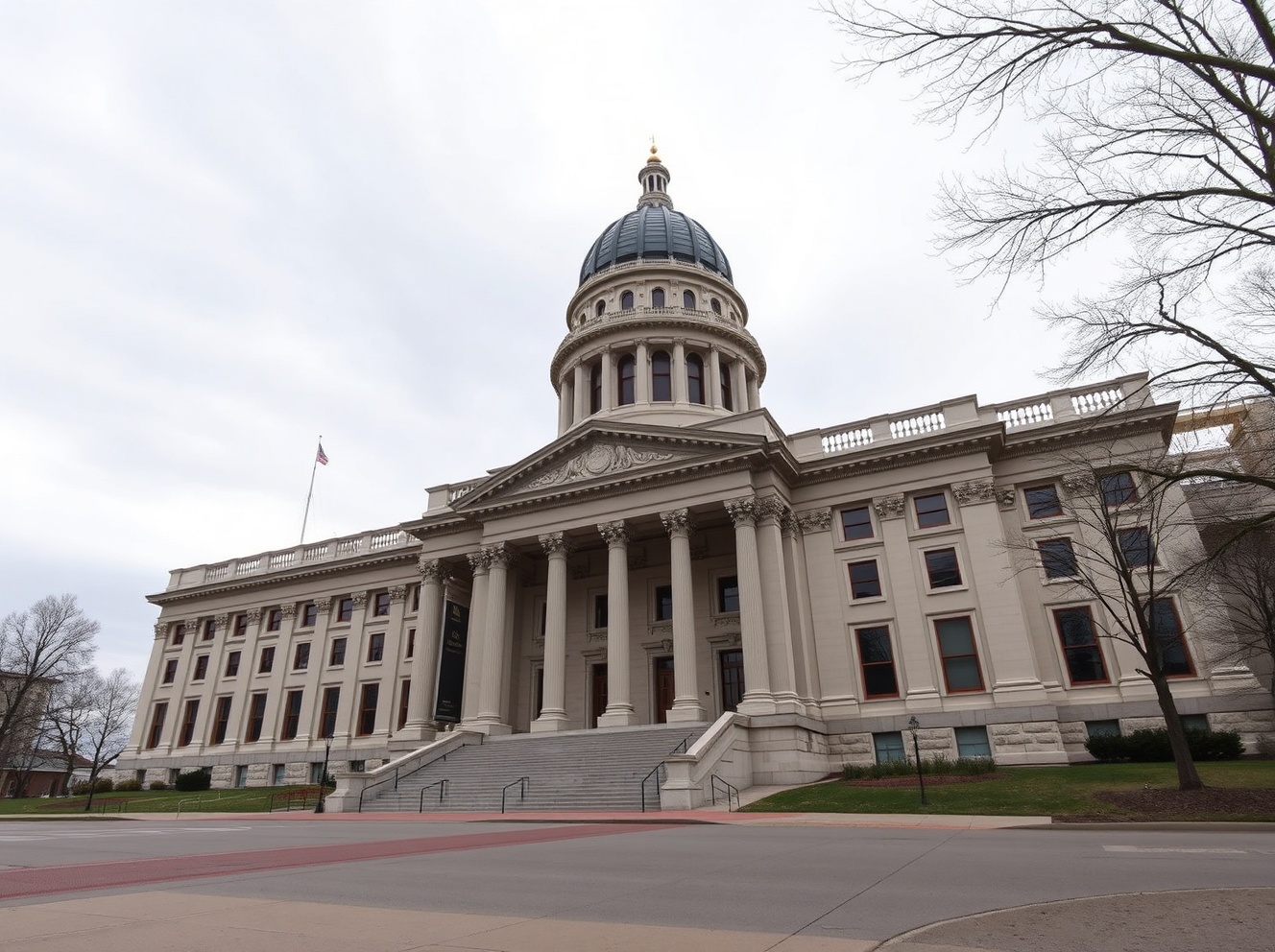
CFTC and DOJ Sue Minnesota Over Prediction Market Ban, Citing Federal Authority
The U.S. Commodity Futures Trading Commission (CFTC), joined by the Department of Justice, has filed a lawsuit against the state of Minnesota, challenging a new law that would ban prediction markets within its borders. The legal action, reported by Cointelegraph, comes less than 24 hours after Minnesota Governor Tim Walz signed Bill SF 4760 into law.
Federal vs. State Authority Over Derivatives
At the heart of the lawsuit is a fundamental question of jurisdiction. The CFTC asserts that prediction markets — which allow users to bet on outcomes ranging from sports and weather to corporate valuations and government actions — fall under the agency’s exclusive authority to regulate derivatives markets. The suit alleges that Minnesota’s law illegally encroaches on federally governed territory.
Under SF 4760, Minnesota was scheduled to ban these markets starting August 1. The state law defines prediction markets broadly, covering any platform that offers contracts based on the outcome of real-world events. State lawmakers argued the measure was necessary to protect consumers from unregulated gambling-like activities.
Timeline and Legal Implications
The swift federal response signals the high stakes involved. The CFTC has increasingly focused on prediction market platforms in recent years, issuing guidance and enforcement actions against unregistered entities. The lawsuit against Minnesota represents a direct challenge to state-level efforts to regulate or ban these markets.
Legal experts note that the Commodity Exchange Act grants the CFTC broad authority over derivatives, including event contracts. However, the boundaries of that authority have been tested as prediction markets grow in popularity and complexity. The outcome of this case could set a precedent for how states can — or cannot — regulate financial products that involve event-based betting.
Why This Matters for the Industry
For companies operating prediction market platforms, the lawsuit introduces significant regulatory uncertainty. If the court sides with the CFTC, it would reaffirm federal supremacy over these markets, potentially invalidating similar state-level bans elsewhere. Conversely, if Minnesota’s law is upheld, it could encourage other states to pursue their own restrictions, creating a patchwork of regulations that complicates compliance for national platforms.
Consumers and investors in prediction markets should also pay close attention. The legal battle could affect the availability of these platforms in certain states, as well as the types of contracts that can be offered. The case may also influence ongoing debates about whether prediction markets should be classified as gambling, financial derivatives, or a distinct category requiring new regulatory frameworks.
Conclusion
The CFTC and DOJ’s lawsuit against Minnesota over SF 4760 represents a significant escalation in the ongoing struggle over who regulates prediction markets. With the ban set to take effect in early August, the legal timeline is compressed. The case will likely test the limits of state versus federal authority in an area where technology and regulation are evolving rapidly. Market participants and legal observers alike will be watching closely as the proceedings unfold.
FAQs
Q1: What is a prediction market?
A prediction market is a platform where participants can buy and sell contracts based on the outcome of future events, such as election results, weather patterns, or stock prices. These markets are sometimes compared to gambling but are regulated as financial derivatives in the U.S.
Q2: Why did Minnesota pass SF 4760?
Minnesota lawmakers argued that prediction markets pose risks to consumers, including potential fraud and addiction, and that they function similarly to unregulated gambling. The bill was designed to ban these markets within the state to protect residents.
Q3: What happens if the CFTC wins the lawsuit?
If the court rules in favor of the CFTC, Minnesota’s ban would likely be blocked, and the agency’s exclusive jurisdiction over prediction markets would be reinforced. This could discourage other states from passing similar laws and provide regulatory clarity for market operators.
This post CFTC and DOJ Sue Minnesota Over Prediction Market Ban, Citing Federal Authority first appeared on BitcoinWorld.


Ayrıca Şunları da Beğenebilirsiniz
Dems corner GOP on Trump's 'rank corruption' as public sours

Sen. Warren launches a probe into the OCC, accusing the Trump administration of illegally granting “national trust” bank charters




