Trump Iran Ceasefire: Explosive Announcement Links Truce to Strait of Hormuz Security
BitcoinWorld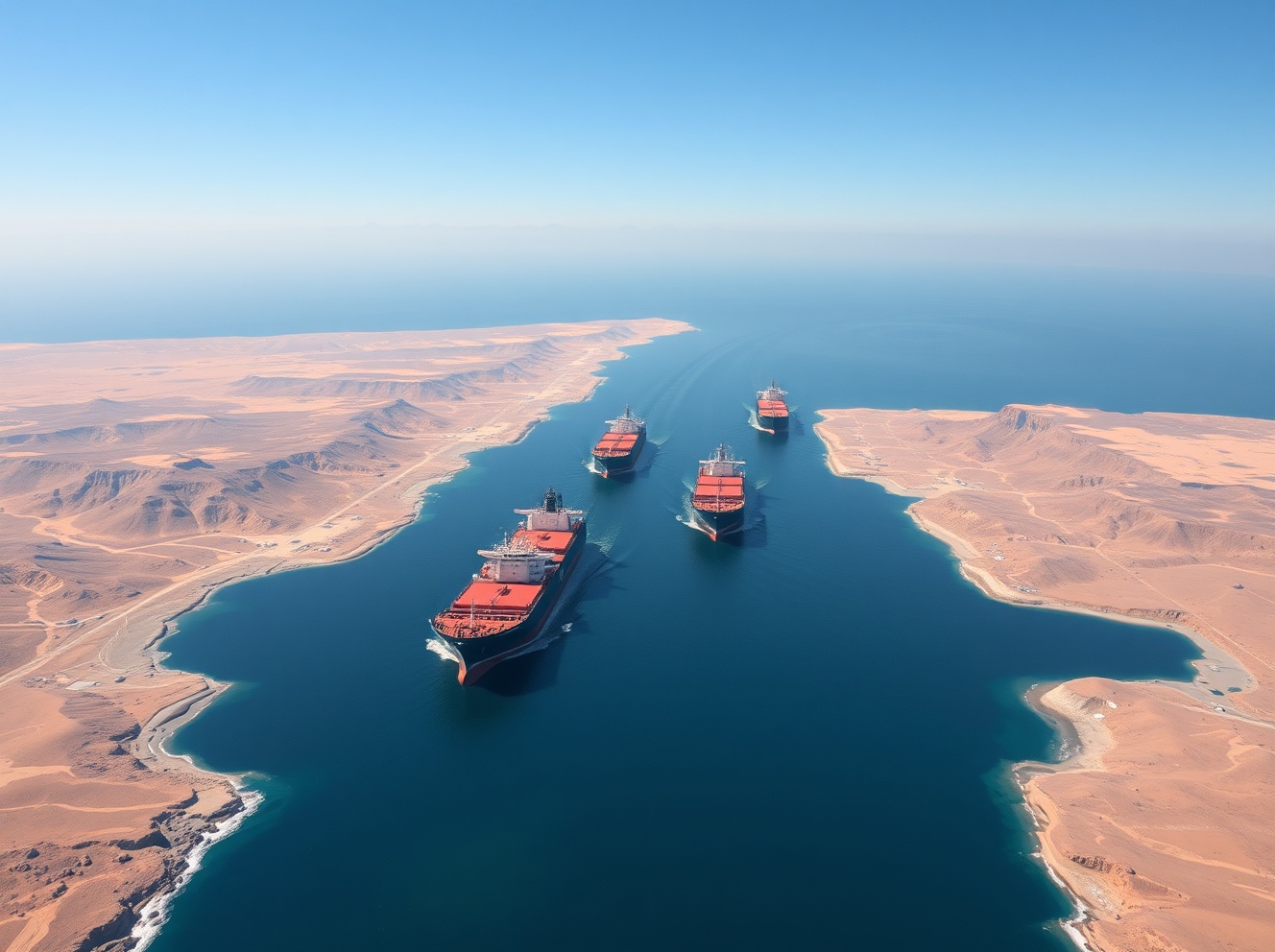
Trump Iran Ceasefire: Explosive Announcement Links Truce to Strait of Hormuz Security
WASHINGTON, D.C. – March 15, 2025 – President Donald Trump has made a significant announcement regarding Middle East tensions, revealing that Iran has requested a ceasefire in ongoing regional conflicts. However, the former president simultaneously declared that military operations will continue until specific strategic conditions are met. This development comes amid heightened global concerns about energy security and regional stability.
Trump’s Iran Ceasefire Announcement and Strategic Demands
President Trump delivered his statement through his Truth Social platform, creating immediate international attention. He explicitly stated that Iran has requested a cessation of hostilities. Nevertheless, he attached stringent conditions to any potential agreement. Military operations will persist, according to Trump, until the Strait of Hormuz becomes fully open and secure. Furthermore, attacks on Iran will continue until these specific requirements are satisfied.
The Strait of Hormuz represents one of the world’s most critical maritime chokepoints. Approximately 21 million barrels of oil pass through this narrow waterway daily. This volume represents about 21% of global petroleum consumption. Consequently, security in this region directly impacts international energy markets and economic stability worldwide.
Historical Context of US-Iran Tensions
Recent tensions between the United States and Iran have deep historical roots. Relations have remained strained since the 1979 Iranian Revolution. The 2015 Joint Comprehensive Plan of Action (JCPOA) temporarily eased some pressures. However, the United States withdrew from this agreement in 2018 under the Trump administration. Subsequently, both nations have engaged in periodic confrontations.
Several significant incidents have occurred in the Strait of Hormuz region recently. These events include tanker seizures, drone attacks, and naval confrontations. Each incident has raised global anxiety about potential supply disruptions. The following timeline highlights key recent developments:
| Date | Event | Impact |
|---|---|---|
| 2023 | Multiple tanker seizures by Iran | Insurance premiums increased 300% |
| 2024 | US naval exercises in Persian Gulf | Regional military presence expanded |
| 2025 | Drone attacks on commercial shipping | Global oil prices rose 15% |
Geopolitical Implications of the Strait of Hormuz
The strategic importance of the Strait of Hormuz cannot be overstated. This narrow passage connects the Persian Gulf with the Gulf of Oman and the Arabian Sea. Multiple nations depend on uninterrupted transit through these waters. Any disruption creates immediate global consequences. Key stakeholders include:
- Saudi Arabia: World’s largest oil exporter
- United Arab Emirates: Major petroleum producer
- Qatar: Leading liquefied natural gas exporter
- Kuwait, Iraq, Bahrain: Significant energy producers
International shipping lanes through this region follow specific traffic separation schemes. These protocols help manage the high volume of maritime traffic. However, the narrowest point measures only 21 nautical miles wide. This geography creates natural vulnerabilities that military planners must consider carefully.
Military Operations and Regional Security Dynamics
President Trump’s announcement references ongoing military operations. The United States maintains substantial naval assets in the Persian Gulf region. These forces include the Fifth Fleet headquartered in Bahrain. This fleet typically includes aircraft carriers, destroyers, and support vessels. Their primary mission involves ensuring freedom of navigation in international waters.
Iran possesses asymmetric military capabilities in the region. These capabilities include:
- Fast attack craft and missile boats
- Coastal defense missile systems
- Extensive mine-laying capabilities
- Drone and missile technologies
Regional security analysts monitor these developments closely. They note that any escalation could quickly affect global energy markets. Furthermore, diplomatic channels remain active despite military posturing. Several nations continue mediation efforts between conflicting parties.
Economic Consequences of Regional Instability
Energy market reactions to geopolitical developments are typically immediate. Oil prices often spike following announcements about Strait of Hormuz security. These price movements affect consumers and industries worldwide. Additionally, shipping companies face increased costs when operating in high-risk areas. These costs include:
- War risk insurance premiums
- Security escort requirements
- Route diversions adding transit time
- Increased fuel consumption
The global economy remains sensitive to energy price fluctuations. Manufacturing, transportation, and consumer spending all feel these impacts. Consequently, international leaders consistently emphasize the importance of stable transit through critical chokepoints.
Diplomatic Responses and International Reactions
World governments have begun responding to President Trump’s announcement. Several nations have called for restraint from all parties involved. The United Nations Security Council may address these developments during upcoming sessions. Regional organizations including the Gulf Cooperation Council (GCC) are monitoring the situation carefully.
European nations maintain particular interest in Middle East stability. These countries rely heavily on energy imports transported through the Strait of Hormuz. Simultaneously, they seek to preserve the 2015 nuclear agreement framework. This diplomatic balancing act requires careful navigation of complex relationships.
Asian economies including China, Japan, and India represent major energy importers. These nations have substantial stakes in maintaining open sea lanes. Consequently, they often engage in diplomatic efforts to reduce tensions. Their approaches typically emphasize economic interdependence and multilateral dialogue.
Conclusion
President Trump’s announcement regarding Iran’s ceasefire request represents a significant development in Middle East geopolitics. The explicit linkage between any cessation of hostilities and Strait of Hormuz security underscores the region’s strategic importance. Global energy markets, diplomatic relations, and regional stability all hang in the balance. Military operations continue according to the former president’s statement, with specific conditions attached to their conclusion. The international community now watches carefully as events unfold in this critical waterway that serves as the world’s most important oil transit corridor.
FAQs
Q1: What exactly did President Trump announce regarding Iran?
President Trump announced that Iran has requested a ceasefire in ongoing regional conflicts. However, he stated military operations will continue until the Strait of Hormuz is fully open and secure, with attacks on Iran persisting until these conditions are met.
Q2: Why is the Strait of Hormuz so strategically important?
The Strait of Hormuz is a critical maritime chokepoint through which approximately 21% of global petroleum consumption passes daily—about 21 million barrels of oil. Its security directly impacts international energy markets and economic stability worldwide.
Q3: What military capabilities does Iran have in the Strait of Hormuz region?
Iran maintains asymmetric military capabilities including fast attack craft, coastal defense missile systems, extensive mine-laying capabilities, and advanced drone and missile technologies that could threaten shipping in the narrow waterway.
Q4: How have global energy markets reacted to this announcement?
While specific market reactions to this announcement would require current data, historically, oil prices typically spike following security concerns in the Strait of Hormuz due to the region’s critical role in global energy transportation.
Q5: What nations are most affected by Strait of Hormuz security issues?
Major stakeholders include Saudi Arabia, the UAE, Qatar, Kuwait, Iraq, and Bahrain as regional energy producers, along with major importers like China, Japan, India, and European nations that depend on petroleum transported through these waters.
This post Trump Iran Ceasefire: Explosive Announcement Links Truce to Strait of Hormuz Security first appeared on BitcoinWorld.


Ayrıca Şunları da Beğenebilirsiniz

SEC clears NYSE Arca to list multi-crypto trust options

Dogecoin and Hyperliquid Are Heating Up — But This New Project Might Be the One to Watch