Dapp

Dapps are digital applications that run on a P2P network of computers rather than a single server, typically utilizing smart contracts to ensure transparency and uptime. In 2026, Dapps have achieved mass-market appeal through Account Abstraction, allowing for a "Web2-like" user experience with the security of Web3. This tag covers the entire ecosystem of decentralized software—from social media and productivity tools to governance platforms and identity management.

5034 Articles
Created: 2026/02/02 18:52
Updated: 2026/02/02 18:52

Flow has transitioned to DeFi; the confidence and predicament of the former NFT leader.

Flow has transitioned to DeFi; the confidence and predicament of the former NFT leader.

Author: Nancy, PANews After the brutal baptism of market cycles, very few survivors remain in the NFT sector. Even Flow, once a top performer, could not escape the fate of changing times and began to seek new growth points. On December 2nd, Flow announced its transformation into a democratized, consumer-grade DeFi platform, a strategic shift that has attracted significant market attention. Leveraging its large user base and unique technological advantages, Flow is attempting to adapt to market changes and save itself. However, whether it can secure a place in the fiercely competitive DeFi arena remains a huge question mark. Launching DeFi lending and wealth management products, and upgrading to a deflationary token. “Today’s DeFi is hostile; users must possess advanced technical skills to survive, with issues like slippage, MEV, and liquidation cascading effects constantly emerging. Every interface is designed for experts, forcing the rest to the margins. This is precisely the gap we aim to fill,” wrote Roham, CEO of Dapper Labs. In response to this situation, Flow's new goal is to create consumer-oriented DeFi, allowing ordinary users to enjoy the benefits of the crypto world without needing to be technical experts, and truly achieving an easy-to-use experience for mainstream users. Flow is building a series of network architecture components called "built-in protocols," which are more like public financial infrastructure directly embedded in the network layer. In the DeFi space, built-in protocols can provide shared liquidity across the entire ecosystem and integrate liquidity pools from various vertical sectors, avoiding liquidity fragmentation and allowing new projects to avoid the challenges of a cold start. Flow Credit Market (FCM), an automated lending protocol, is the first built-in protocol developed by the Flow Foundation. It utilizes Flow's native on-chain scheduling system to set periodic triggers without the need for external oracles, significantly reducing liquidation risk while increasing loan value (LTV), thereby bringing higher natural returns to both lenders and borrowers. Dapper Labs CEO Roham pointed out that traditional DeFi lending is typically highly punitive, only liquidating and charging penalties when a user's position is close to liquidation. FCM, on the other hand, employs proactive risk management, continuously monitoring each position on-chain automatically and rebalancing it before risks materialize. Internal risk simulations show that FCM has protected user deposits from liquidation during numerous major market crashes, while also reducing costs by up to 99.9% compared to lending protocols on other networks. To accelerate the launch of FCM (Financial Flywheel) services, Dapper Labs has launched Peak Money, a consumer-grade financial flywheel app aimed at becoming the next crypto gateway to 100 million new users. According to Roham, users can deposit cash or crypto assets (such as Bitcoin, Ethereum, and FLOW) into Peak Money and earn higher returns than any bank (APY up to 25% for cryptocurrencies and 10% for cash), while funds can be earned and used at any time. The product has no minimum investment, no gatekeeper, no mnemonic phrase required, and no liquidation risks. Peak Money will release details of coverage for specific loss events upon official launch. Currently, Peak Money has an open waiting list. Furthermore, Flow's built-in protocols may be expanded to perpetual contracts, prediction markets, and other applications in the future, providing more user-friendly DeFi applications for mainstream consumers. To achieve sustainable value capture, Flow upgraded its token, transitioning to a deflationary token. The Flow Foundation's FLIP-351 proposal directly links network usage to network value. Each transaction burns tokens, creating scarcity through network activity and thus increasing token value. When the network consistently operates at approximately 250 TPS, the FLOW token will achieve net deflation. Even so, Flow's transaction costs remain lower than mainstream networks like Solana and Base. It's worth noting that the current price of the FLOW token has fallen by over 90% from its all-time high. What gives Flow the confidence and challenges in its cross-industry transformation into DeFi? The current DeFi market is in a phase of rapid growth and fierce competition. As the regulatory environment becomes more favorable, leading protocols are leveraging their first-mover advantage to solidify their positions, while traditional institutions with both compliance and funding advantages are also accelerating their entry, continuously raising the barriers to entry in the field. As one of the few crypto sectors with proven product-market fit (PMF), DeFi still has enormous growth potential. For Flow, which is attempting to transform from consumer-grade Level 1 to DeFi infrastructure, this is not only an opportunity for strategic restructuring but also a challenging "reboot." As a "newcomer" to the DeFi sector, Flow possesses a certain degree of confidence for its cross-industry transformation. On one hand, Flow didn't start from scratch; its accumulated experience in the NFT field provided a unique starting line. With the phenomenal application NBA Top Shot, Flow amassed a large user base. Although its popularity has declined significantly from its peak, the accumulated traffic remains substantial. According to official data, Flow has over 41 million total accounts and over 1.1 million monthly active users. Meanwhile, according to DeFiLlama data, as of December 3rd, Flow's TVL reached $107 million, a 187.1% increase since the beginning of the year. Meanwhile, Flow boasts technological advantages, being designed specifically for large-scale consumer applications. Its low-barrier, low-cost, and high-throughput on-chain environment naturally aligns with the high-frequency trading needs of DeFi. In October of this year, Flow also launched two key upgrades, Forte and Crescendo, aiming to address scalability, deep innovation in DeFi, and cross-chain interoperability issues, further providing technological support for ecosystem transformation. Forte's core goal is to completely eliminate the reliance on off-chain bots or centralized custody services for complex on-chain financial logic. All automation (limit orders, dynamic interest rates, strategy vaults, etc.) runs securely directly on-chain, making it easier for developers to build complex financial applications. Crescendo upgrades Flow with Ethereum Virtual Machine (EVM) equivalence, enabling seamless interoperability with Ethereum-based applications and protocols. Flow claims to be one of the few blockchains capable of supporting millions of daily active users (DAU) without incurring high or unpredictable gas fees. However, Flow's transformation still faces considerable challenges. On one hand, all new public chains face the challenge of a liquidity cold start. Although Flow has a significant user base, it mainly consists of NFT users, most of whom have already left the market. How to re-attract these users and convert them into DeFi users remains highly uncertain. On the other hand, the ecosystems of leading public chains are already quite rich and have formed barriers. Flow needs to quickly attract high-quality developers and build innovative applications that are recognized by the market in order to form a sustainable positive cycle of ecosystem. More importantly, Flow has long been labeled by the market as an NFT public chain. To break this stereotype, Flow must present a successful DeFi application case to prove its suitability for the financial sector. Overall, the technical architecture and user base add more certainty to Flow's "re-entrepreneurial" endeavor. However, the success of this transformation hinges on Flow's ability to activate dormant NFT users through a compelling DeFi narrative and break down liquidity barriers.

Author: PANews
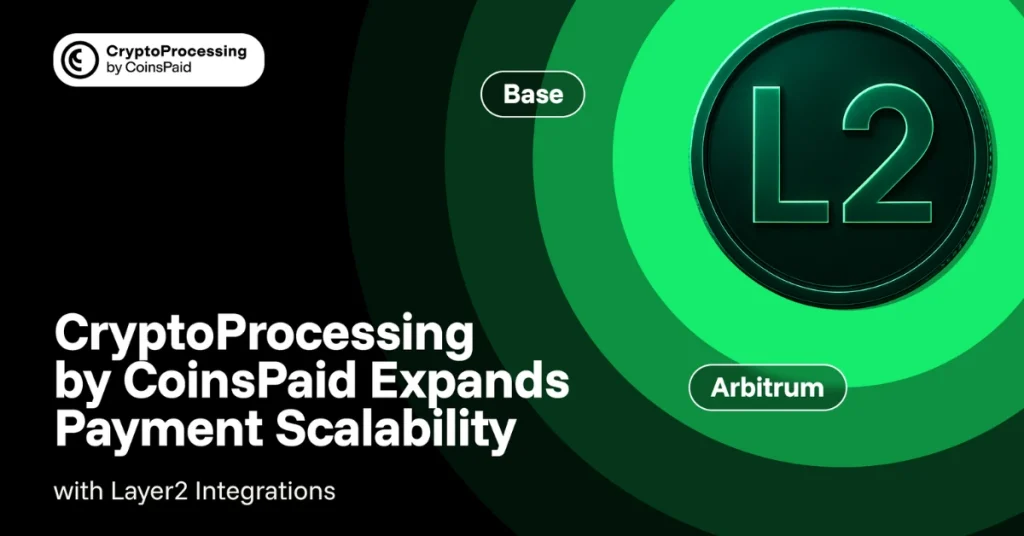
Arbitrum and Base Now Live: CryptoProcessing by CoinsPaid Levels Up Payment Scalability

Arbitrum and Base Now Live: CryptoProcessing by CoinsPaid Levels Up Payment Scalability

The post Arbitrum and Base Now Live: CryptoProcessing by CoinsPaid Levels Up Payment Scalability appeared first on Coinpedia Fintech News CryptoProcessing by CoinsPaid, one of the world’s leading crypto payment gateways, has integrated Arbitrum and Base, two of the most advanced Layer 2 blockchains, to bring faster, cheaper, and smoother transactions to its users. The integration adds support for ETH (Ethereum) and USDC (USD Coin) on both networks, giving merchants access to instant payments with …

Author: CoinPedia
Ethereum Futures Trading Volume Stuns Market, Overtakes Bitcoin on CME

Ethereum Futures Trading Volume Stuns Market, Overtakes Bitcoin on CME

BitcoinWorld Ethereum Futures Trading Volume Stuns Market, Overtakes Bitcoin on CME In a stunning market shift, Ethereum futures trading volume has officially overtaken Bitcoin on the world’s premier derivatives exchange. For the first time ever, the Chicago Mercantile Exchange (CME) recorded more trading activity for ETH futures than for BTC. This milestone signals a profound change in how major financial players view the second-largest cryptocurrency. Let’s explore what this means for Ethereum’s future and the broader crypto landscape. What Does This Surge in Ethereum Futures Trading Volume Mean? The CME is a titan of traditional finance. When its Ethereum futures trading volume eclipses Bitcoin’s, it’s not a minor blip. This development, first reported by Markets.com, represents a clear vote of confidence from institutional investors. These are the hedge funds, asset managers, and corporations that move markets. Their growing preference for Ethereum contracts suggests a strategic pivot. They are likely positioning for what analysts see as an imminent uptrend for ETH. This volume milestone follows a similar precedent set in July. At that time, Ethereum’s futures open interest—the total number of outstanding contracts—also surpassed Bitcoin’s on the CME. Therefore, this isn’t an isolated event. It’s part of a consistent trend of growing institutional engagement with Ethereum’s derivatives market. Why Are Institutions Betting on Ethereum Now? Several powerful factors are driving this institutional frenzy. First, the long-awaited Ethereum 2.0 upgrade has successfully transitioned the network to a proof-of-stake consensus mechanism. This change addresses critical issues like high energy consumption and scalability. Consequently, it makes Ethereum a more sustainable and efficient platform for large-scale adoption. Second, Ethereum’s core utility in decentralized finance (DeFi) and non-fungible tokens (NFTs) provides a fundamental use case that extends beyond digital gold. Institutions see value in a blockchain that powers a vast ecosystem of applications. Key drivers include: Network Utility: Ethereum is the foundational layer for thousands of dApps. Regulatory Clarity: Growing discussion of ETH as a commodity, not a security. Staking Yields: The merge allows ETH holders to earn rewards, appealing to yield-seeking capital. Upcoming Upgrades: Continued development (like proto-danksharding) promises lower fees and higher throughput. How Could This Impact Ethereum’s Price and Market Position? Increased Ethereum futures trading volume from institutions typically leads to greater market liquidity and stability. However, it also introduces new dynamics. Large futures positions can increase short-term volatility around contract expiry dates, known as ‘witching hours’. More importantly, sustained high volume validates Ethereum’s maturity as an asset class. It attracts more traditional finance products, like Ethereum-based ETFs, which would funnel even more capital into the ecosystem. This creates a positive feedback loop: more products bring more investors, which in turn justifies further product development. The result could be a significant re-rating of ETH’s value relative to other crypto assets. What Are the Challenges and Risks to Consider? While this milestone is bullish, savvy investors must remain cautious. The derivatives market itself can be a double-edged sword. High leverage used in futures trading can amplify price swings in both directions. A sudden market downturn could trigger a cascade of liquidations, leading to a sharp, exaggerated price drop. Furthermore, Ethereum still faces technical hurdles. Network congestion and high gas fees during peak demand periods remain a concern. The success of future scalability solutions is not guaranteed. Therefore, while institutional interest is a powerful tailwind, it does not eliminate Ethereum’s inherent execution risks. Conclusion: A Defining Moment for Crypto Markets The day Ethereum futures trading volume outpaced Bitcoin on the CME marks a historic inflection point. It underscores a market narrative that is gradually shifting from ‘digital gold’ to ‘programmable money and digital infrastructure.’ For investors, this signals that institutional capital is beginning to appreciate Ethereum’s unique value proposition beyond mere store of value. This milestone is a potent indicator of shifting tides, suggesting that Ethereum’s journey is entering a new, more mature phase defined by utility and widespread financial adoption. Frequently Asked Questions (FAQs) Q: What is the CME and why is it important?A: The Chicago Mercantile Exchange (CME) is one of the world’s largest and most regulated financial derivatives exchanges. When it lists a crypto futures product, it signals legitimacy and provides a trusted venue for large institutions to gain exposure. Q: Does high futures volume guarantee an Ethereum price increase?A> Not necessarily. High volume shows strong interest and liquidity, which is generally positive. However, the price direction depends on whether the volume is primarily from buyers (longs) or sellers (shorts). The current analysis suggests it is bullish, but it’s not a guarantee. Q: How is futures trading volume different from open interest?A: Trading volume measures the total number of contracts traded in a period (a flow). Open interest measures the total number of active, unsettled contracts at a point in time (a stock). High volume with rising open interest often confirms a strong trend. Q: Should retail investors change their strategy based on this news?A> This news reinforces Ethereum’s growing institutional adoption, which is a key long-term fundamental. Retail investors should consider it within their overall research and risk tolerance, not as a sole reason to buy or sell. Q: Could Bitcoin futures volume reclaim the lead?A> Absolutely. Crypto markets are highly competitive. While this is a significant milestone for Ethereum, Bitcoin remains the dominant crypto asset. Market leadership in derivatives can shift based on news, macroeconomic conditions, and technological developments for both networks. Did this analysis of the surging Ethereum futures trading volume help you? The crypto landscape moves fast, and sharing insights helps everyone navigate it smarter. If you found this breakdown valuable, share this article on Twitter or LinkedIn to spark a conversation with your network about the future of institutional crypto adoption. To learn more about the latest Ethereum trends, explore our article on key developments shaping Ethereum price action and institutional adoption. This post Ethereum Futures Trading Volume Stuns Market, Overtakes Bitcoin on CME first appeared on BitcoinWorld.

Author: Coinstats
Haven – Blockchain With Biometric Authentication

Haven – Blockchain With Biometric Authentication

Matthew Jones is the founder at Haven, a blockchain ecosystem based on the foundations of anonymity and authenticated ownership. Using real and continuous biometric authentication it verifies that the user is the true authenticated owner at all times. It protects users from fraud, loss, and impersonation by making your face the ultimate key. No passwords, no seed phrases, no risks of theft.

Author: Brave Newcoin
AscendEX Teams up with Dmail to Enhance Web3 Messaging Infrastructure

AscendEX Teams up with Dmail to Enhance Web3 Messaging Infrastructure

AscendEX, a renowned digital asset trading entity, is pleased to announce its collaboration with Dmail AI, an artificial intelligence (AI-Powered) decentralized messaging infrastructure. The primary purpose of this partnership is to facilitate users by providing encrypted emails, unified notifications, and targeted marketing. 🥳We're excited to partner with @Dmailofficial Dmail Network is an AI-powered decentralized messaging infrastructure built to provide encrypted emails, unified notifications, and targeted marketing across multiple chains and dApps for users, developers, marketers and… pic.twitter.com/kXIaotv722— AscendEX (@AscendEX_) December 2, 2025 AscendEX is a famous global cryptocurrency and digital asset financial platform that gives trading services for all types of users. Alongside, its alliance with Dmail improved the security of AI-Powered decentralized emails, in which emails are fully encrypted to avoid any security breach. AscendEX has revealed this news through its official X account. Unlocking Secure Cross-Chain Communication Today’s world is going to become more crowded with artificial intelligence (AI) and the use of Web3 technology for ease. In the same scenario, the partnership of AscendEX and Dmail AI plays a vital role by protecting the privacy of users’ messages, unified notifications, and selected marketing across multiple chains. This partnership is also paving the way for decentralized applications dApps for users, developers, and marketers. Furthermore, both platforms want to serve the users with dignity and certified capabilities in the field of AI and Web3. They do not confine the users of any selected areas to their services. AscendEX and Dmail are shaping the Future of Crypto AscendEX and Dmail AI take the responsibility to level up the users in the field of Web3 technology. They are also ensuring their services are available for influencers, among other users, developers, and marketers. Everyone in this digital world needs advanced facilities to make their lifestyle easy and comfortable. Simultaneously, this alliance opens many hidden doors for entering the world of AI and takes advantage of Web3 products. Moreover, this innovation will drive users toward more interesting and productive experiences in the crypto space.

Author: Coinstats
Best Crypto to Invest in Under $1: Why Mutuum Finance (MUTM) Outshines Cardano (ADA) in 2025

Best Crypto to Invest in Under $1: Why Mutuum Finance (MUTM) Outshines Cardano (ADA) in 2025

Identifying the most appropriate cryptocurrency for the under-$1 market has emerged as an important task in the lead-up to the imminent market boom. Mutuum Finance (MUTM) has emerged as a significant player in the rapidly growing list of cryptocurrencies under $1 because of its early adoption, rapidly growing base of loyal followers, and strong performance […]

Author: Cryptopolitan
Crypto analist waarschuwt: Bitcoin downtrend kan doorzetten – LiquidChain presale blijft groeien

Crypto analist waarschuwt: Bitcoin downtrend kan doorzetten – LiquidChain presale blijft groeien

i Kennisgeving: Dit artikel bevat inzichten van onafhankelijke auteurs en valt buiten de redactionele verantwoordelijkheid van BitcoinMagazine.nl. De informatie is bedoeld ter educatie en reflectie. Dit is geen financieel advies. Doe zelf onderzoek voordat je financiële beslissingen neemt. Crypto is zeer volatiel er zitten kansen en risicos aan deze investering. Je kunt je inleg verliezen. Volgens een zeer bekende crypto expert blijkt uit een technische analyse van de Bitcoin koers een mid-cycle correctie niet waarschijnlijk. Sterker nog: CryptoBullet stelt dat elk herstel van Bitcoin kleiner wordt, en er steeds grotere verliezen zullen ontstaan. Het momentum begint steeds verder te vervallen, en de cycle geeft aan dat dit nog niet het einde is. Desondanks doet de presale van LiquidChain ($LIQUID) het nog steeds erg goed, met constante inflows. Met name de functionaliteit van de token zorgt ervoor dat veel traders nu al instappen. LiquidChain verenigt de grootste blockchains De belangrijkste blockchains samensmelten met een single execution layer? Het is de ambitie van het team achter het nieuwe crypto platform LiquidChain. Deze moet zorgen voor een mix van de marktkapitalisatie van Bitcoin met de DeFi mogelijkheden van Ethereum en de snelheid van Solana. Liquiditeit stroomt hierin vrij rond zonder wrappers. De eigen token van het netwerk, $LIQUID, heeft een totale voorraad van 11.8 biljoen stuks. Problemen en beperkingen die traders nu elke dag ondervinden moeten dankzij HyperLiquid weggenomen worden. Nu kan liquiditeit op één chain bijvoorbeeld niet gemakkelijk interageren met die op een ander netwerk. Dit isoleert markten en tokens, en leidt tot gefragmenteerde trading. In de visie van LiquidChain zal er een enkele ‘Layer 3’ gebouwd worden, die boven alles staat en Bitcoin, Ethereum en Sol met elkaar real time integreert. Dit zal kunnen via een gezamenlijke liquiditeitspool waarin elke token zich gedraagt alsof ze allen op dezelfde chain behoren. De engine van LiquidChain is gebouwd op de Solana Virtual Machine, wat zorgt voor zeer snelle dApps, prediction markets of zelfs complexe lending en borrowing systemen. Sommige experts en analisten denken dat dit nieuwe framework een nieuwe fase voor DeFi zal openen: het staat ontwikkelaars toe om apps en tools te ontwikkelen die ongeacht chain snel voor iedereen beschikbaar zijn. De presale van LiquidChain is inmiddels begonnen. Het model van ‘verenigde blockchains’ lijkt op een ideaal moment te komen: traders willen graag kunnen handelen met minder stappen, minder risico’s en minder kosten. Een gedeelde pool van de grootste tokens zou zomaar de volgende grote trend in de ontwikkeling van het blockchain landschap kunnen zijn. Waarom Bitcoin op het punt staat om te vallen Op 26 november postte de bekende analist CryptoBullet zijn Bitcoin verwachting voor de komende periode. Hij legt uit dat eerder in deze cycle Bitcoin een indrukwekkende rebound heeft laten zien, die gevolgd werd door steeds kleinere stijgingen. Elke rally was echter kleiner dan de voorgaande, terwijl correcties juist steeds verder groeiden. This cycle we’ve had 4 major corrections Each time the correction becomes more aggressive and the pumps are getting smaller and smaller. Buyers are clearly exhausted. The current correction is the biggest and most aggressive one. This time $BTC just plummeted. So I'm not… pic.twitter.com/peiEAg7vvd — CryptoBullet (@CryptoBullet1) November 26, 2025 Dit wekt de indruk dat kopers simpelweg niet langer de druk van verkopers kunnen neutraliseren. Hierdoor ontstaat een structuur die vaak gezien wordt voorafgaand aan een ‘lower high’. Dit is doorgaans een teken dat een verdere afkoelingsperiode aanstaande is. Volgens CryptoBullet is het goed mogelijk dat Bitcoin in de huidige cycle geen nieuwe All-Time High meer gaat noteren. De groene candles die eerder domineerden, zijn inmiddels omgeslagen in indicatoren van twijfel en nervositeit. Wanneer twijfel de overhand krijgt zullen veel traders Bitcoin links laten liggen. Kansen lijken te liggen bij sterke altcoin projecten die gericht zijn op blockchain infrastructuur. Tijdens een dergelijk marktmoment kunnen met name crypto presales de aandacht van investeerders pakken, zeker wanneer er iets fundamenteel nieuws kan ontstaan. Waarom LiquidChain de beste altcoin kan worden tijdens marktovergang Nu de marktovergang van Bitcoin naar altcoins plaatsvind, lijkt LiquidChain een briljante timing gevonden te hebben. Tijdens de presale zal niet alleen de token geïntroduceerd worden, maar begint men ook met het L3 testnet te experimenteren en komen developer tools beschikbaar. In de volgende fase zal de token gelanceerd worden op exchanges en treden de liquidity pools in werking. Hierdoor zijn de cross-chain swaps direct mogelijk. Tijdens de mainnet fase zal er onder meer geïnvesteerd worden in real protocols, systemen voor crypto derivaten, modules voor crypto lending en bredere partnerschappen. Hierdoor zien veel traders LiquidChain als een altcoin voor de lange termijn, en dus niet als een speculatieve investering voor de korte termijn. De potentie om de beste eigenschappen van Bitcoin, Ethereum en Solana gezamenlijk aan te bieden lijkt een belangrijke volgende stap in de toekomst van multi-chain DeFi te kunnen worden. LiquidChain verenigt op haar layer alle grote blockchains Ook belangrijk om te vermelden zijn de staking rewards van het platform. Wie de token nu koopt en vastzet in een staking contract krijgen enorme rewards tot wel 15.000%! In zeer korte tijd zijn er al 3,6 miljoen tokens in de staking pool geplaatst. Traders die nu staken kunnen zodoende enorme sommen $LIQUID bovenop hun investering krijgen, lang voordat gecentraliseerde exchanges hun $LIQUID markten openen. Hierdoor hebben de vroegste investeerders een zeer luxe uitgangspositie, zeker wanneer de bredere crypto markt de voordelen van de ‘unified execution layer’ ontdekt. Hoe investeer je in deze presale crypto? De presale van $LIQUID trekt flink de aandacht van investeerders, met name omdat de markt voor Bitcoin snel krimpt en traders op zoek zijn naar nieuwe ideeën en narratieven. De propositie van LiquidChain zorgt ervoor dat de token tot een van de meest veelbelovende altcoins van deze cycle behoort. Tokens kunnen eenvoudig en snel gekocht worden: je dient op de website van LiquidChain je crypto wallet (bijvoorbeeld MetaMask of Best Wallet) te koppelen en vervolgens aan te geven hoeveel $LIQUID je kopen wilt. Bevestig de transactie om de tokens direct te kopen. Het is mogelijk om bij het kopen de tokens direct in een smart staking contract te plaatsen. Hiermee begin je meteen met het verzamelen van extra rendement. Wie nog geen crypto heeft, kan overigens ook met zijn creditcard betalen. Nu naar LiquidChain i Kennisgeving: Dit artikel bevat inzichten van onafhankelijke auteurs en valt buiten de redactionele verantwoordelijkheid van BitcoinMagazine.nl. De informatie is bedoeld ter educatie en reflectie. Dit is geen financieel advies. Doe zelf onderzoek voordat je financiële beslissingen neemt. Crypto is zeer volatiel er zitten kansen en risicos aan deze investering. Je kunt je inleg verliezen. Het bericht Crypto analist waarschuwt: Bitcoin downtrend kan doorzetten – LiquidChain presale blijft groeien is geschreven door Redactie en verscheen als eerst op Bitcoinmagazine.nl.

Author: Coinstats
Multi-chain traders zien LiquidChain ($LIQUID) als interessante aankoop tijdens de presale

Multi-chain traders zien LiquidChain ($LIQUID) als interessante aankoop tijdens de presale

i Kennisgeving: Dit artikel bevat inzichten van onafhankelijke auteurs en valt buiten de redactionele verantwoordelijkheid van BitcoinMagazine.nl. De informatie is bedoeld ter educatie en reflectie. Dit is geen financieel advies. Doe zelf onderzoek voordat je financiële beslissingen neemt. Crypto is zeer volatiel er zitten kansen en risicos aan deze investering. Je kunt je inleg verliezen. Drie grote netwerken worden door LiquidChain ($LIQUID) binnen één infrastructuur samengebracht. Je hebt daardoor maar één wallet nodig om liquiditeit van Bitcoin, Ethereum en Solana te gebruiken. Dezelfde gas token wordt voor alle transacties ingezet. Cross-chain handelingen worden in één stap uitgevoerd via atomic operations. De waarde in de presale van LiquidChain ($LIQUID) stijgt voorbij de $ 51.000 en het aantal gestakede tokens staat op 3,5 miljoen voor $ 0,01235 per token. Zodra het mainnet online komt, zijn alle cross-chain functies beschikbaar. Na de lancering volgen in Q3 van 2026 de eerste listings op gecentraliseerde exchanges. Voor multi-chain gebruikers haalt deze altcoin veel praktische obstakels weg. Drie losse wallets remmen multi-chain traden af Veel traders beheren nog aparte wallets voor elk netwerk. BTC-posities staan in een Bitcoin wallet, Ethereum en ERC-20 tokens in een eigen ETH wallet, en Solana coins in een SOL wallet. Elke wallet heeft een unieke herstelzin die veilig bewaard moet worden. Als één van die herstelzinnen verdwijnt, gaat dat deel van de portfolio verloren. De beveiliging moet daardoor op drie plekken apart geregeld worden. Het constante schakelen tussen verschillende wallets kost tijd. Een kans op Solana kan al verdwenen zijn tegen de tijd dat je de juiste wallet hebt geopend. Het beheren van gaskosten bij verschillende tokens zorgt voor extra werkdruk. Voor Ethereum heb je ETH nodig, voor Solana SOL, en voor Bitcoin wordt BTC gebruikt voor fees. Zodra één gas token opraakt, valt dat netwerk direct stil. Traders moeten voortdurend controleren of hun saldo op peil is en dat haalt tijd weg bij hun marktanalyse. Door één centrale liquiditeitspool heb je geen bridges meer nodig Cross-chain transacties verlopen nu meestal via bridges die meerdere bevestigingen nodig hebben. BTC naar Ethereum sturen kan minuten duren, en hetzelfde geldt voor het versturen van Ethereum naar Solana. Bij arbitrage werkt dat niet. Tegen de tijd dat de bridge voltooid is, is het prijsverschil vaak al verdwenen. Bridges zorgen daarnaast voor extra risico’s. Soms blijven transacties hangen en staan fondsen tijdelijk vast tussen twee netwerken. Door een gecombineerde liquiditeitspool te gebruiken, omzeilt LiquidChain ($LIQUID) deze stappen volledig. BTC, ETH en SOL tokens worden in één pool verzameld, waardoor trades direct uitgevoerd kunnen worden. Atomic settlement garandeert dat transacties helemaal slagen of volledig mislukken. Dat voorkomt foutmeldingen of vaststaande tokens. De VM verwerkt transacties op hoge snelheid en verifieert Bitcoin UTXO’s, Ethereum accounts en Solana states tegelijk, zonder dat er aparte bevestigingsrondes nodig zijn. Deploy-once model geeft toegang tot dApps op alle drie de chains Blockchain applicaties worden nu meestal apart ontwikkeld voor elk netwerk. Een DeFi protocol op Ethereum draait niet op Solana, en Solana apps kun je niet gebruiken op Bitcoin. Daardoor hebben multi-chain traders per netwerk maar een deel van het totale aanbod. Ethereum biedt een groot DeFi ecosysteem, maar mist bepaalde snelle applicaties. Solana heeft juist hoge snelheid, maar beschikt niet over veel van de gevestigde Ethereum projecten. Voor ontwikkelaars betekent dit vaak dat ze meerdere codebases moeten onderhouden. Een voorspelling op Ethereum moet volledig opnieuw gebouwd worden voor Solana. Veel teams richten zich daardoor op één ecosysteem en laten de rest liggen. LiquidChain verandert deze situatie met een deploy-once model. Ontwikkelaars bouwen hun applicatie één keer en rollen deze direct uit op Bitcoin, Ethereum en Solana. Gebruikers krijgen hierdoor toegang tot een veel breder dApp aanbod. Applicaties die voorheen vastzaten aan één netwerk, worden beschikbaar op alle drie de chains. Meme coins, DeFi protocollen en voorspellingen draaien op dezelfde infrastructuur. Voor traders levert dit meer strategieën op zonder te hoeven wisselen tussen ecosystemen. Toegang tot meerdere markten vanuit één infrastructuur zorgt voor een grotere keuze aan trading mogelijkheden. $LIQUID wordt gebruikt voor netwerkkosten op BTC, ETH en SOL Multi-chain traders moeten normaal gesproken drie verschillende gas tokens beheren. Ethereum transacties vereisen ETH, Solana transacties gebruiken SOL en Bitcoin transfers kosten BTC. Zodra één van die gas tokens bijna op is, staat dat netwerk stil. Zelfs een grote USDC-positie op Ethereum kan niet verplaatst worden zonder ETH om de kosten te betalen. Hetzelfde geldt voor Solana posities zonder SOL reserves. LiquidChain maakt dit eenvoudiger door alle netwerkkosten te laten betalen met één token. $LIQUID wordt gebruikt voor transacties op Bitcoin, Ethereum en Solana, waardoor traders niet langer drie aparte gas wallets hoeven bij te houden. Alles verlopen hierdoor sneller. Traders hoeven niet telkens te controleren of er genoeg ETH of SOL aanwezig is. $LIQUID verwerkt de volledige gaslaag op alle netwerken. De totale voorraad van 11,8 miljard tokens wordt verdeeld over ontwikkeling (30 procent), treasury (25 procent), marketing (20 procent), beloningen (15 procent) en listings (10 procent). De vraag naar de token groeit mee met het aantal transacties binnen het ecosysteem. Presale van $ 0,01235 biedt instap vóór de cross-chain functies live gaan De crypto presale van LiquidChain stijgt al voorbij de $ 51.000. Multi-chain traders die vroeg instappen, zien de waarde van de infrastructuur voordat de bredere markt dat doet. Het aantal gestakede tokens staat op 3,5 miljoen, en de staking beloningen komen tijdens de presale boven 14602 procent APY uit. De token kost $ 0,01235 per stuk. Traders die nu posities opbouwen, profiteren van de waardeontwikkeling zodra het mainnet wordt gelanceerd. Elke nieuwe mijlpaal brengt het project dichter bij volledige functionaliteit. Het mainnet activeert de gecombineerde liquiditeitspools en directe cross-chain transacties. Hierdoor ontstaat efficiëntie die multi-chain traders nu missen. In Q3 2026 worden listings op gecentraliseerde exchanges verwacht, wat institutionele liquiditeit zal aantrekken. Voor dit soort infrastructuurprojecten telt timing zwaar mee. De voordelen worden pas volledig beschikbaar zodra het mainnet draait. Door al tijdens de presale in te stappen, worden allocaties veiliggesteld voor dat cross-chain functionaliteit beschikbaar is. Deze combinatie maakt LiquidChain een van de interessantere presales om te volgen. Ondek de toekomst van cross-chain liquidity met LiquidChain: Presale: https://liquidchain.com/ Social: https://x.com/getliquidchain i Kennisgeving: Dit artikel bevat inzichten van onafhankelijke auteurs en valt buiten de redactionele verantwoordelijkheid van BitcoinMagazine.nl. De informatie is bedoeld ter educatie en reflectie. Dit is geen financieel advies. Doe zelf onderzoek voordat je financiële beslissingen neemt. Crypto is zeer volatiel er zitten kansen en risicos aan deze investering. Je kunt je inleg verliezen. Het bericht Multi-chain traders zien LiquidChain ($LIQUID) als interessante aankoop tijdens de presale is geschreven door Redactie en verscheen als eerst op Bitcoinmagazine.nl.

Author: Coinstats
Warden Protocol Joins Caesar to Accelerate On-chain Intelligence and AI Agents

Warden Protocol Joins Caesar to Accelerate On-chain Intelligence and AI Agents

This exclusive partnership is focused on connecting reliable, citation-backed research with validatable blockchain environments with AI integration.

Author: Blockchainreporter
Starknet (STRK) Price Prediction 2025, 2026-2030

Starknet (STRK) Price Prediction 2025, 2026-2030

In this Starknet (STRK) price prediction 2025, 2026-2030,  we will analyze the price patterns of STRK by using accurate trader-friendly technical analysis indicators and predict the future movement of the cryptocurrency. TABLE OF CONTENTS INTRODUCTION Starknet (STRK) Current Market Status What is Starknet (STRK)? Starknet (STRK) 24H Technicals STARKNET (STRK)

Author: Thenewscrypto